Achieving optimal nutrition is a crucial aspect of maintaining overall health and fitness. According to the Dietary Guidelines for Americans 2020-2025, adult males should consume at least 56 grams of protein daily, while adult females should aim for at least 46 grams.
However, research suggests that consuming more than the recommended amount may aid in weight loss and muscle mass retention. A well-structured meal plan can help you achieve your nutritional goals. By understanding the importance of protein and its role in supporting various bodily functions, you can make informed decisions about your diet.
This guide will walk you through the process of creating a personalized meal plan that suits your lifestyle and nutritional needs, ensuring you reap the benefits of a high-protein diet.
The Science Behind High-Protein Nutrition
The science behind high-protein nutrition reveals a complex interplay of hormones, metabolic rates, and body composition. Protein has a significant impact on various bodily functions, making it a crucial component of a healthy diet.
What Protein Does for Your Body
Protein increases the production of hormones like PYY and GLP-1, which help you feel full and satisfied. It also reduces levels of ghrelin, the “hunger hormone.” This hormonal balance naturally leads to a reduction in food intake.
How Protein Supports Weight Management
A high-protein diet can boost your basal metabolic rate (BMR) and resting metabolic rate (RMM), helping you burn more calories even at rest. Additionally, protein preserves lean muscle mass during weight loss, which is crucial since muscle tissue burns more calories than fat tissue. Key benefits include:
- Increased satiety due to hormonal effects
- Higher metabolic rate due to the thermic effect of protein
- Preservation of lean muscle mass during weight loss
Benefits of Following High-Protein Meal Plans
Adopting a high-protein meal plan can be a game-changer for your nutrition. By increasing your protein intake, you can experience numerous benefits that enhance your overall health and well-being.
Increased Satiety and Reduced Hunger
High-protein diets are known to reduce hunger and increase feelings of fullness. This is because protein takes longer to digest than carbohydrates, keeping you satisfied for longer periods.
Enhanced Metabolic Rate
A higher protein intake can boost your metabolic rate. Research shows that protein has a higher thermic effect compared to fats and carbohydrates, meaning your body burns more calories digesting protein.
Improved Body Composition
Following a high-protein meal plan can lead to improved body composition. Studies have found that higher protein intake during weight loss helps preserve lean muscle mass while reducing fat tissue.
- Increasing protein intake promotes weight and fat loss while retaining muscle mass.
- Resistance training combined with adequate protein intake is effective for improving body composition.
- Preserving muscle mass during weight loss maintains a higher metabolic rate.
Determining Your Protein Needs
Understanding your daily protein requirements is crucial for achieving your nutritional goals. Your protein needs depend on several factors, including your weight and activity level.
Standard Recommendations vs. Optimal Intake
The Recommended Dietary Allowance (RDA) suggests 0.8 grams of protein per kilogram of body weight per day to prevent deficiency. However, for optimal health and fitness, many experts recommend a higher intake. A high-protein diet for weight loss and overall health should provide about 1.2-2 grams of protein per kilogram of body weight daily.
Calculating Your Personal Protein Requirements
To calculate your protein needs, consider your weight and activity level. For instance, if you weigh 68 kg, your daily protein intake could range from 82 to 136 grams. You can adjust this based on your specific goals, such as weight loss or muscle maintenance, by using the multipliers provided: for weight loss, multiply your weight in kilograms by 1.2-1.6; for athletic performance, use 1.6-2.2.
Best Protein Sources to Include in Your Meal Plan
Your meal plan should include a mix of high-quality protein sources for overall health. Incorporating a variety of proteins can help ensure you’re getting all the essential amino acids your body needs.
Animal-Based Protein Options
Animal-based proteins are complete proteins that provide all essential amino acids. Examples include lean meats like chicken and turkey, fish such as salmon, and eggs. These proteins are not only rich in protein but also in various vitamins and minerals.
Plant-Based Protein Options
Plant-based proteins are ideal for vegetarians and vegans. Options like legumes (lentils, chickpeas), nuts, and seeds (almonds, chia seeds) are rich in protein and fiber. You can also consider plant-based protein powders made from pea or hemp protein.
Dairy and Egg Protein Sources
Cottage cheese and Greek yogurt are excellent dairy-based protein sources. Cottage cheese offers about 24 grams of protein per cup, while Greek yogurt provides around 15-20 grams per cup. Eggs are another versatile option, with about 6-7 grams of protein per egg.
Creating Balanced High-Protein Meal Plans
A well-structured high-protein diet is about more than just consuming protein; it’s about balancing it with other essential nutrients. To achieve this balance, you need to consider both the distribution of protein throughout the day and how to pair it with other vital nutrients.
Distributing Protein Throughout the Day
Distributing protein evenly across your meals can help maintain muscle mass and satisfaction. Aim to include a source of protein at each meal, such as eggs, Greek yogurt, or lean meats. This approach not only supports muscle health but also helps in managing hunger.
Pairing Protein with Other Nutrients
Pairing protein with fiber-rich vegetables, complex carbohydrates, and healthy fats creates balanced meals. For example, combining protein sources like lean meats or legumes with vegetables and whole grains provides sustained energy and enhances satiety. Including healthy fats like nuts, seeds, or avocado improves the absorption of fat-soluble vitamins and adds flavor, making meals more satisfying.
Breakfast Ideas for High-Protein Diets
Starting your day with a high-protein breakfast can significantly impact your overall nutrition and energy levels. A well-crafted breakfast can help you stay focused and support your dietary goals.
Quick Morning Protein Options
You can quickly boost your protein intake in the morning with options like egg muffins or mini frittatas. These can be baked in batches and refrigerated for up to 4 days, providing a convenient breakfast with 6-8 grams of protein per serving. Other quick options include protein pancakes or waffles made with protein powder, offering 15-20 grams of protein per serving.
Make-Ahead Breakfast Recipes
Preparing breakfast in advance can save time during busy mornings. Consider making overnight protein oats or chia pudding with protein powder and milk. These options provide a nutritious breakfast with approximately 15-20 grams of protein. You can also assemble breakfast burritos filled with eggs, beans, and cheese, and freeze them for a quick meal with over 20 grams of protein.
Protein-Rich Dinner Recipes
You can easily enhance your dinner routine with high-protein options that are quick to prepare. Incorporating protein-rich meals in the evening can help with muscle recovery and satisfaction until bedtime.
Family-Friendly High-Protein Meals
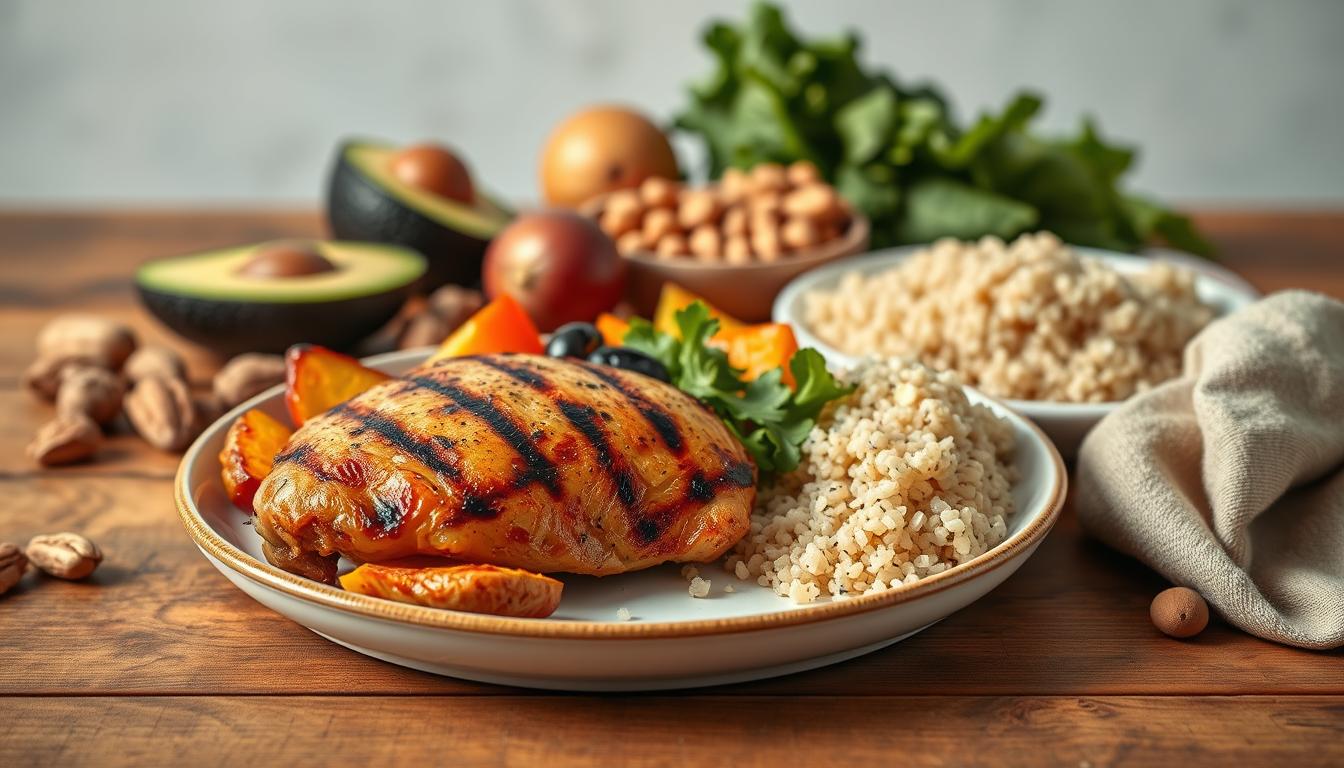
Preparing dinner that is both healthy and appealing to the whole family can be challenging. However, dishes like grilled chicken with steamed broccoli and brown rice are not only high in protein but also enjoyable for all ages.
- Grilled chicken breast seasoned with salt and pepper, cooked over medium heat for 6-7 minutes per side.
- Steamed broccoli florets cooked until tender, about 5 minutes.
- ½ cup of cooked brown rice served alongside.
Quick and Easy Dinner Options
For busy evenings, there are several quick and easy high-protein dinner options you can consider:
- Pre-marinated chicken breasts can be quickly grilled or baked and paired with microwavable brown rice and steam-in-bag vegetables.
- Eggs are an excellent quick dinner protein in dishes like frittatas or shakshuka.
- Canned fish like tuna or salmon can be transformed into patties or salads.
- Rotisserie chicken from the grocery store provides ready-to-eat protein that can be paired with quick-cooking sides.
- Frozen shrimp thaws rapidly and cooks in minutes, ideal for last-minute protein-centered meals.
These options ensure that you can have a protein-rich dinner without spending too much time in the kitchen.
Smart Snacking on a High-Protein Diet
A well-planned high-protein diet includes smart snacking options to support overall nutrition. Snacking on high-protein foods can help maintain energy levels and support muscle health.
On-the-Go Protein Snacks
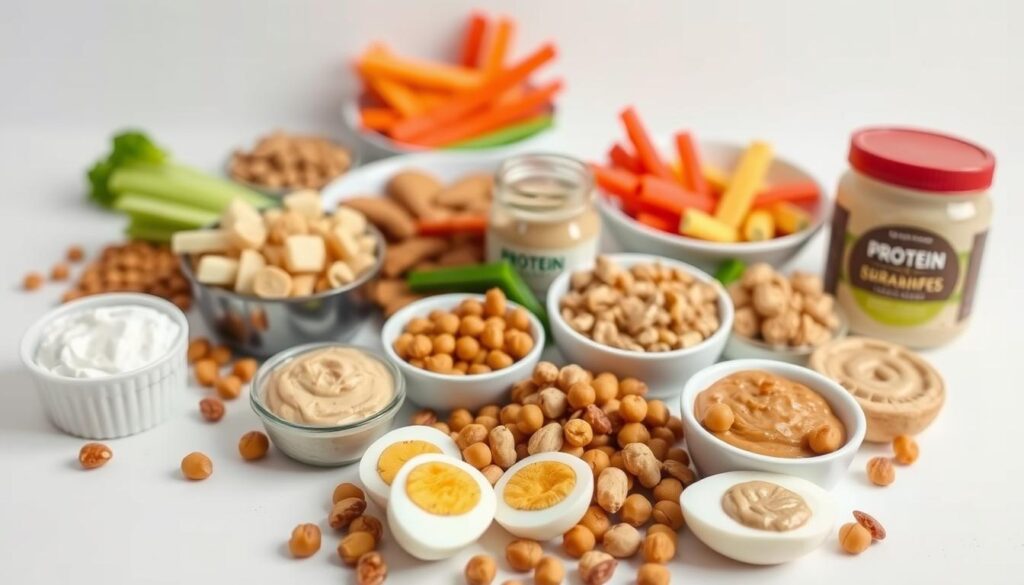
For those with busy lifestyles, having convenient protein snacks is essential. Greek yogurt is an excellent option, packed with protein and probiotics, while berries add antioxidants and fiber. “Combining protein with complex carbohydrates provides sustained energy,” as noted by nutrition experts.
Pre and Post-Workout Protein Options
Consuming the right protein snacks before and after workouts can enhance performance and recovery. Whey protein shakes are ideal post-workout due to their rapid absorption. Pre-workout snacks like a banana with peanut butter provide sustained energy without digestive discomfort.
- Whey protein shakes for post-workout recovery
- Greek yogurt with honey for a mix of fast-acting and slower-digesting proteins
- Chocolate milk as an effective post-workout recovery drink
Incorporating these snacks into your diet can optimize your protein intake and support your fitness goals.
7-Day High-Protein Meal Plan Example
Creating a 7-day high-protein meal plan can be straightforward with the right approach. By focusing on affordable protein staples like eggs, canned beans, tofu, lentils, and Greek yogurt, you can build a variety of meals that are both filling and versatile.
Daily Meal Breakdown
A well-structured meal plan involves distributing your protein intake throughout the day. For example, you could start with a breakfast of Greek yogurt with nuts and berries, followed by a lunch of grilled chicken with quinoa and vegetables. Snacks like hard-boiled eggs or a protein shake can help maintain your protein levels. Dinner could include baked salmon with lentils and steamed broccoli. This breakdown ensures you’re meeting your daily protein needs while enjoying a balanced diet.
Shopping List and Prep Tips
To streamline your meal prep, categorize your shopping list into proteins, produce, grains, and pantry staples. Buying proteins in bulk and portioning them out can save time and money. Prep versatile protein bases like grilled chicken and cooked beans on the weekends. Wash and chop vegetables in advance to simplify meal assembly. By following these tips, you can efficiently manage your meal plan and ensure you’re getting enough protein in your diet.
Budget-Friendly High-Protein Meal Planning
You can achieve your protein goals without overspending by incorporating affordable protein sources into your meal plan. Planning your meals around protein-rich foods like chicken, beans, and lentils can help you stay within your budget.
Affordable Protein Sources
Incorporating affordable protein sources into your diet is key to budget-friendly high-protein meal planning. Options like dried beans, chicken, and frozen vegetables are not only cost-effective but also versatile in various recipes.
- Buying family packs of meat and portioning them before freezing can save 20-30% compared to purchasing smaller quantities.
- Taking advantage of manager’s specials on meat and seafood that’s near its sell-by date can yield savings of 30-50%.
Money-Saving Strategies
To save even more on your high-protein diet, consider implementing a few money-saving strategies. Incorporating “meatless Monday” with plant-based proteins can reduce your weekly protein budget.
- Using a slow cooker or pressure cooker can transform tough, inexpensive cuts of meat into tender meals.
- Growing protein-rich plants like peas, beans, and edamame in a garden or containers can provide fresh, organic protein at a fraction of store prices.
By adopting these strategies, you can enjoy a high-protein diet while keeping your expenses in check, making it easier to stick to your meal plan with chicken and other affordable protein sources.
High-Protein Meal Plans for Special Dietary Needs
Creating a personalized high-protein diet plan that caters to your unique nutritional needs is vital for overall health. Whether you’re following a vegetarian or vegan lifestyle, or you need to avoid gluten and dairy, there are numerous options to ensure you’re getting enough protein.
Vegetarian and Vegan Options
For those on a plant-based diet, there are plenty of high-protein foods to incorporate into your meal plan. You can opt for legumes, nuts, and seeds, as well as gluten-free grains like quinoa and amaranth. Additionally, consider using plant-based protein powders and nutritional yeast to boost your protein intake.
- Legumes, such as lentils and chickpeas, are rich in protein and fiber.
- Nuts and seeds, like almonds and chia seeds, provide a crunchy protein boost.
- Gluten-free grains like quinoa and amaranth are complete protein sources.
Gluten-Free and Dairy-Free Adaptations
If you’re gluten-free or dairy-free, you can still enjoy a high-protein diet. Choose gluten-free protein sources like unprocessed animal proteins, and consider dairy-free alternatives such as coconut yogurt fortified with protein. Be mindful of hidden gluten and dairy ingredients in processed foods, and read labels carefully.
- Coconut yogurt is a great dairy-free alternative for protein-rich snacks.
- Gluten-free protein bars and powders made from rice, pea, or hemp protein are convenient options.
- Coconut aminos can replace soy sauce in high-protein Asian-inspired dishes.
Common Mistakes to Avoid with High-Protein Diets
Navigating a high-protein diet requires more than just increasing your protein intake; it demands awareness of potential missteps that can impact your overall nutritional strategy.

Overlooking Other Nutrients
One of the most significant errors is neglecting other essential nutrients while focusing on protein. Ensuring a balanced diet that includes a variety of vitamins, minerals, and fiber is crucial for maintaining overall health and maximizing the benefits of your high-protein regimen.
Protein Timing Errors
Research indicates that spreading your protein intake evenly across 3-4 meals may be more effective for muscle synthesis than consuming the same amount concentrated in fewer meals. Timing your intake correctly, such as consuming protein within the post-exercise window, is vital for muscle recovery and adaptation. Additionally, starting your day with protein at breakfast can help manage hunger and support better food choices throughout the day, making it a crucial part of your daily meal plan.
Potential Concerns with High-Protein Diets
While high-protein diets offer numerous benefits, it’s crucial to be aware of potential concerns associated with increased protein intake. Certain individuals may need to be cautious or monitor their health closely.
Who Should Exercise Caution
If you have kidney disease, it’s essential to speak with a healthcare professional or registered dietitian about how much protein you should consume each day. They can help you determine a safe intake level based on your individual health needs.
Monitoring Your Body’s Response
As you increase your protein intake, pay attention to how your body responds. Consider the following:
- Digestive responses: Some individuals may experience bloating, gas, or constipation that requires adjustments to their diet.
- Hydration status: Higher protein intake increases water requirements for proper metabolism and waste elimination.
- Regular blood work: This can help assess how your lipid profile, kidney function markers, and other health parameters respond to a high-protein diet.
- Energy levels and workout performance: Track these to determine if your protein intake is supporting your activity needs appropriately.
- Keeping a food and symptom journal: This can help identify any correlations between specific protein sources and unwanted effects.
Tools and Resources for High-Protein Meal Planning

To successfully implement a high-protein meal plan, you’ll need the right tools and resources. Having access to a variety of high-quality resources can make it easier to stick to your dietary goals.
Apps and Websites for Tracking Protein Intake
Several apps and websites can help you track your protein intake and plan your meals effectively. These tools often include databases of various foods and their nutritional content, making it easier to ensure you’re meeting your protein targets.
Cookbooks and Recipe Resources
Cookbooks specifically focused on high-protein cooking provide tested recipes that balance protein with other nutrients while maintaining flavor and satisfaction. You can also find online recipe databases with nutrition filtering options, allowing you to search for meals that meet your meal plan requirements.
Some other valuable resources include meal prep-focused guides that teach techniques for efficiently preparing protein-rich foods in batches, and food blogs that specialize in specific dietary approaches, such as high-protein vegetarian or dairy-free high-protein options.
Sustaining a High-Protein Diet Long-Term
To maintain a high-protein diet, it’s essential to develop strategies that focus on sustainability and overall health. This involves creating a balanced and flexible plan that incorporates a variety of protein-rich foods, along with other nutrient-dense foods. By doing so, you can ensure that your diet remains enjoyable and satisfying over time.
Key strategies include building a diverse repertoire of protein-rich recipes, developing systems for meal planning and preparation, and creating flexible guidelines that allow for social occasions and life’s unpredictability. Regularly reassessing your protein needs and focusing on progress rather than perfection also supports long-term success.


No comment