
To achieve your physique goals, understanding the critical relationship between diet and bodybuilding success is essential. A well-structured bodybuilding diet is tailored to support intense training demands, focusing on specific nutrient timing, caloric manipulation, and food quality.
Your nutrition plan will vary depending on whether you’re in a bulking phase or cutting phase. Balancing proper macronutrient ratios and ensuring adequate micronutrient intake is crucial for optimal recovery and performance. By implementing evidence-based nutritional principles, you’ll be able to break through plateaus and achieve the muscular, lean physique you’re working toward.
This comprehensive guide will walk you through creating a sustainable diet plan that supports your bodybuilding goals while maintaining overall health. You’ll learn practical strategies for calculating your caloric needs, optimizing your macronutrient intake, and selecting the best food sources.
Understanding Bodybuilding Nutrition Fundamentals
To achieve success in bodybuilding, understanding the fundamentals of nutrition is crucial. As you navigate your training regimen, nutritional planning plays a pivotal role in supporting your goals, whether you’re focusing on muscle growth or fat loss.
The Science Behind Muscle Growth and Nutrition
Muscle growth, or hypertrophy, is influenced by a combination of proper nutrition, consistent training, and adequate recovery. “Nutrition is the foundation upon which muscle growth is built,” as it provides the necessary building blocks for muscle repair and development. Ensuring you’re consuming enough protein is critical, as it supplies the amino acids necessary for muscle protein synthesis.
Balancing Performance and Physique Goals
Balancing your performance in the gym with your aesthetic body goals requires careful nutritional planning. Many bodybuilding athletes cycle between bulking phases, focused on muscle growth, and cutting phases, aimed at fat loss while preserving muscle mass. Prioritizing overall health is essential, as it directly impacts your ability to perform and recover.
By understanding how to adjust your nutrition to support different phases of your bodybuilding journey, you can make continuous progress toward your goals.
Calculating Your Caloric Needs for Muscle Growth
To achieve your bodybuilding goals, understanding how to calculate your caloric needs is crucial. This involves determining your maintenance calories and adjusting them according to your bulking or cutting phase.
Determining Your Maintenance Calories
Your maintenance calories are the number of calories you need to consume to maintain your current weight. This is a crucial baseline for any bodybuilding program. To determine your maintenance calories, you need to consider your basal metabolic rate (BMR) and your daily activity level.
Adjusting Calories for Bulking and Cutting Phases
Once you know your maintenance calories, you can adjust them for bulking or cutting phases. For bulking, you need a caloric surplus, typically achieved by increasing your daily intake by 10-20% above maintenance. For example, if your maintenance calories are 3,000, you would consume around 3,450 calories daily to bulk. Conversely, for cutting, you need a caloric deficit by consuming 15-25% fewer calories than maintenance, which would be 2,550 calories in this example.
It’s essential to monitor your weight change during these phases, aiming for a moderate gain or loss of 0.5-1% of your body weight per week. Regular reassessment of your caloric needs is necessary as your weight changes.
Optimal Macronutrient Ratios for Bodybuilders
Optimal macronutrient ratios play a vital role in supporting the muscle growth and recovery processes in bodybuilders. Achieving the right balance of protein, carbohydrates, and fats is essential for maximizing gains and maintaining overall health.
Protein Requirements for Muscle Repair and Growth
You require adequate protein to support muscle repair and growth. Protein intake should be distributed evenly throughout the day to maintain a positive nitrogen balance, supporting muscle hypertrophy.
Aim to consume 1.6-2.2 grams of protein per kilogram of body weight daily, depending on your specific training intensity and goals.
Strategic Carbohydrate Intake for Energy and Recovery
Carbohydrates are crucial for providing energy for workouts and supporting recovery. Focus on complex carbohydrates such as whole grains, fruits, and vegetables.
- Consume carbohydrates around your workouts to maximize energy and recovery.
- Adjust your carbohydrate intake based on your training phase and dietary needs.
Healthy Fats for Hormonal Balance and Health
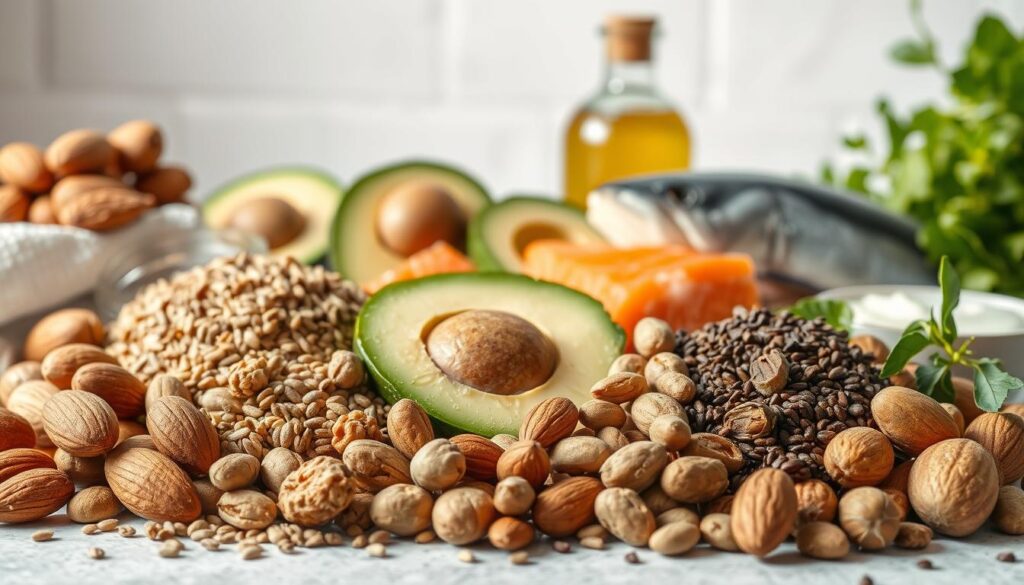 Dietary fats play a crucial role in hormone production and overall health. Include sources like olive oil, avocados, nuts, seeds, and fatty fish in your diet.
Aim to consume 20-35% of your total calories from fat, focusing on monounsaturated and polyunsaturated sources. This supports hormonal balance and overall well-being.
Healthy Diets for Bodybuilders: Food Selection Guide
Nutrition plays a pivotal role in bodybuilding, affecting both performance and physique. A well-balanced diet that includes the right foods can significantly enhance your bodybuilding results.
High-Quality Protein Sources
Protein is essential for muscle repair and growth. High-quality protein sources include lean meats, fish, eggs, and dairy products. These foods provide the necessary amino acids to support muscle development.
Complex Carbohydrates for Sustained Energy
Complex carbohydrates are vital for providing sustained energy throughout your workouts. Foods rich in complex carbohydrates include whole grains, fruits, and vegetables. These foods also offer essential fiber, which aids in digestion and overall health.
Essential Fats for Optimal Hormone Production
Healthy fats are crucial for hormone production and overall health. Include sources like olive oil, avocados, nuts, and almond butter in your diet. These foods provide monounsaturated fats that support heart health and hormone production. Additionally, fatty fish and seeds like chia and flax offer omega-3 fatty acids, which help manage inflammation and support recovery.
As noted by a renowned nutrition expert, “The quality of your diet directly impacts your bodybuilding progress.” Incorporating a variety of these healthy fat sources ensures you’re getting a balance of different fatty acids to support overall health and performance.
Meal Timing and Frequency Strategies
Optimizing your meal timing and frequency is crucial for achieving your bodybuilding goals. The right strategy can help you maximize muscle growth while minimizing fat gain.
Pre and Post-Workout Nutrition Windows
Timing your meals around your workouts is vital for optimizing performance and recovery. Consuming a protein-rich meal or shake before your workout can help fuel your exercise. After your workout, a post-workout meal or supplement with protein and carbohydrates can aid in recovery and muscle repair.
Intermittent Fasting for Bodybuilders
Intermittent fasting involves alternating periods of eating and fasting to promote weight loss and improve metabolic health. For bodybuilders, this can be an effective way to manage fat loss while preserving muscle mass. Common approaches include the 16/8 method, where you fast for 16 hours and eat within an 8-hour window.
- Ensure adequate protein intake during your eating window to support muscle preservation.
- Adjust your diet according to your fasting schedule to meet your nutritional needs.
- Be mindful of your overall meal frequency and timing to optimize your bodybuilding goals.
Hydration and Micronutrients for Optimal Performance
To achieve optimal performance in bodybuilding, it’s crucial to focus on both hydration and micronutrient intake. Adequate hydration is essential for muscle function, while micronutrients play critical roles in energy production, protein synthesis, recovery, and overall health.
Water Intake Guidelines for Muscle Function
Proper hydration is vital for maintaining muscle function and overall physical performance. You should aim to drink at least 8-10 glasses of water per day, adjusting according to your individual needs and training intensity. Monitoring your urine color can help determine if you’re hydrated; it should be pale yellow. Dehydration can lead to decreased performance and recovery.

Essential Vitamins and Minerals for Recovery
Micronutrients are vital for various bodily functions, including recovery and overall health. Key vitamins and minerals include:
- Vitamins A, C, and E, which function as antioxidants to manage exercise-induced oxidative stress.
- B vitamins, essential for energy metabolism and red blood cell production.
- Minerals like zinc and magnesium, which support testosterone production and muscle recovery.
- Calcium and vitamin D, crucial for bone health and muscle contractions.
Focusing on nutrient-dense whole foods ensures you’re getting these essential vitamins and minerals naturally, supporting your overall body composition and health.
Creating Your Weekly Bodybuilding Meal Plan
To maximize your gains, you need a well-structured meal plan tailored to your bodybuilding objectives. This involves understanding your nutritional needs during different phases of your training.
Bulking Phase Meal Templates
During the bulking phase, your meal plan should focus on consuming a caloric surplus to support muscle growth. Ensure you’re consuming enough protein to repair and build muscle tissue. A sample meal could include chicken breast with quinoa and vegetables. Your daily meals should be balanced, with a mix of lean proteins, complex carbohydrates, and healthy fats.
- Incorporate multiple meals throughout the day to keep your muscles fueled.
- A breakfast rich in protein and complex carbohydrates can kickstart your day.
- Adjust your portion sizes based on your progress and caloric needs.
Cutting Phase Meal Adjustments
For the cutting phase, creating a caloric deficit by consuming 15-25% fewer calories than maintenance helps promote fat loss while preserving muscle mass. To achieve this, reduce the portion sizes of carbohydrates and fats while maintaining high protein intake. Emphasize high-volume, fiber-rich foods to maintain satiety.
- Eat lean proteins like chicken breast or white fish with measured portions of quinoa or brown rice.
- Strategically place carbohydrates around your workouts to maintain performance.
- Consider incorporating intermittent fasting or meal timing strategies to manage hunger and improve adherence to your reduced calorie intake.
By adjusting your meal plan according to your training phase, you can effectively manage your weight and achieve your bodybuilding goals.
Supplements to Consider for Enhanced Results

When it comes to bodybuilding, the right supplements can make all the difference in achieving your desired outcomes. To maximize your gains, it’s crucial to understand which supplements are most effective and how to incorporate them into your regimen.
Evidence-Based Supplement Recommendations
Certain supplements have been shown to be particularly beneficial for bodybuilders. Whey protein is one such supplement, offering a convenient way to increase your protein intake, especially post-workout. Creatine monohydrate is another effective supplement, providing your muscles with the energy to perform additional reps. Additionally, caffeine can help decrease fatigue, making it a popular choice among bodybuilders.
Timing and Dosage Guidelines
Proper timing and dosage of supplements can significantly impact their effectiveness. For instance, whey protein is best consumed post-workout, while casein protein is beneficial before bed. Creatine monohydrate is typically taken at 3-5 grams daily, with consistency being more important than timing. Pre-workout supplements should be consumed 20-30 minutes before training. Mixing protein shakes with milk can also provide additional nutrients and calories compared to water.
Avoiding Common Bodybuilding Diet Mistakes
To maximize your gains and achieve your bodybuilding goals, it’s essential to be mindful of the most common diet mistakes and how to avoid them. A well-structured diet is crucial for supporting your training and overall health. However, many bodybuilders make critical errors that can hinder their progress and negatively impact their overall wellbeing.
Preventing Nutrient Deficiencies
One of the most significant risks associated with bodybuilding diets is nutrient deficiencies. Ensuring you consume a balanced diet that includes a variety of whole foods can help mitigate this risk. Key areas to focus on include:
- Consuming adequate protein to support muscle growth and repair
- Eating complex carbohydrates for sustained energy
- Including essential fats for optimal hormone production
Balancing Health and Aesthetic Goals
It’s also crucial to strike a balance between your aesthetic bodybuilding goals and overall health. Extremely low body fat levels, while necessary for competition, can have negative effects on your body and overall wellbeing. Consider adopting a cyclical approach to diet and training to allow for periods of recovery and support long-term progress and health.
By being aware of these common mistakes and taking steps to avoid them, you can ensure a more sustainable and effective bodybuilding diet that supports your goals and overall wellbeing.
Sustainable Nutrition for Long-Term Bodybuilding Success
Sustainable nutrition is the cornerstone of long-term bodybuilding success, enabling you to achieve your goals while maintaining overall health. To succeed, you need to develop a nutrition plan that is both effective and maintainable over time.
This involves creating healthy meal routines that include nutrient-dense foods, adequate protein, and healthy fats. Incorporating fiber-rich foods and planning your meals around your workouts can also enhance your progress.
By adopting a flexible dieting approach and learning to prepare simple, nutritious meals using staple ingredients like eggs, almond butter, and milk, you can maintain consistency and enjoy your diet. This approach supports long-term adherence and helps you achieve your bodybuilding goals.






No comment