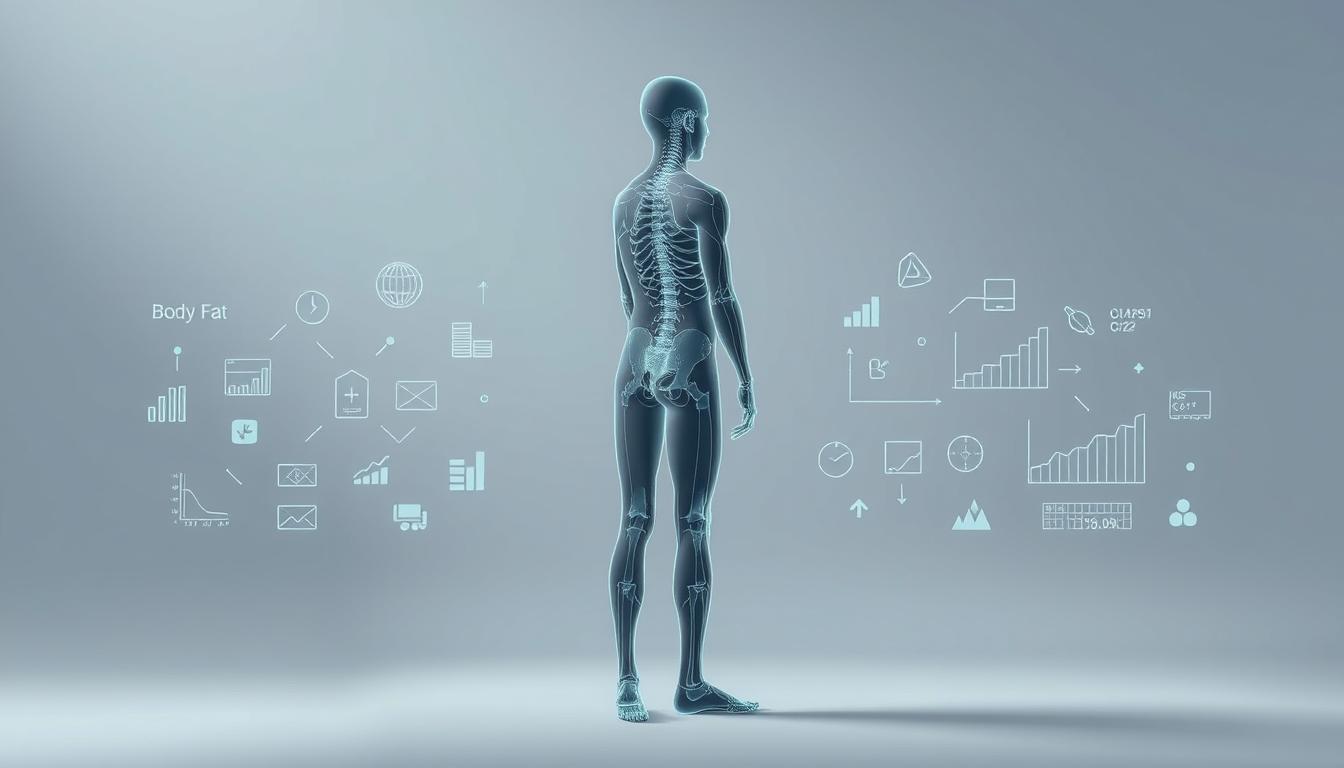
Understanding your body composition is crucial for achieving optimal health and fitness. Just as a mechanic inspects a car to understand its condition, assessing your body composition provides valuable insights into your overall health.
This comprehensive assessment measures your fat, muscle mass, and body water levels, offering a more detailed picture of your health status than traditional weight measurement alone.
In this article, we’ll explore the various techniques used for body composition analysis, discussing their importance and how they can help you make informed decisions about your health and fitness goals.
Understanding Body Composition and Its Importance
Assessing your body composition provides a more comprehensive picture of your health than relying on weight alone. This is because body composition refers to the proportions of fat, muscle, water, and bone in your body, offering a more detailed insight into your overall health and fitness.
What Body Composition Really Means
There are several models of body composition, with the 2-component model being one of the most straightforward. It divides the body into Fat Mass and Fat-Free Mass. Fat Mass refers to the fat in your body, while Fat-Free Mass includes muscle, bone, organs, and water. Body fat is essential for various bodily functions, including energy storage, insulation, and the protection of internal organs. Maintaining a healthy percentage of body fat is crucial, as having too little body fat (less than 4%) can be detrimental to long-term health.
Why Traditional Weight Scales Fall Short
Traditional weight scales only measure total body weight, failing to distinguish between fat mass and fat-free mass. This limitation means that two individuals with the same weight can have vastly different health profiles. For instance, one person might have a high percentage of muscle mass, while another has a high percentage of body fat. Understanding your body composition helps you identify potential health risks and track changes in your body over time, providing a more accurate picture of your progress when following fitness or nutrition programs.
- Body composition analysis gives you insights into your metabolic health and disease risk factors.
- It helps you understand your physical fitness level beyond just weight.
- Tracking changes in body composition provides a more accurate measure of progress.
The Components of Body Composition
To grasp the concept of body composition, it’s essential to understand its various components. Your body composition is made up of different elements that contribute to your overall weight and health status. The analysis of body composition involves breaking down your body into its fundamental components.
Fat Mass vs. Fat-Free Mass
The most basic division in body composition is between fat mass and fat-free mass. Fat mass refers to the total amount of body fat, which is essential for energy storage, organ protection, temperature regulation, and hormone production. On the other hand, fat-free mass includes everything else: muscle, bone, organs, and body water. Fat-free mass is crucial for various physiological functions, including movement, support, and overall metabolic health.
As stated by a renowned expert, “Understanding the distinction between fat mass and fat-free mass is vital for assessing health risks associated with body composition.” This distinction is fundamental in evaluating the effectiveness of fitness and nutrition programs.
The 4-Component Model: Water, Protein, Minerals, and Fat
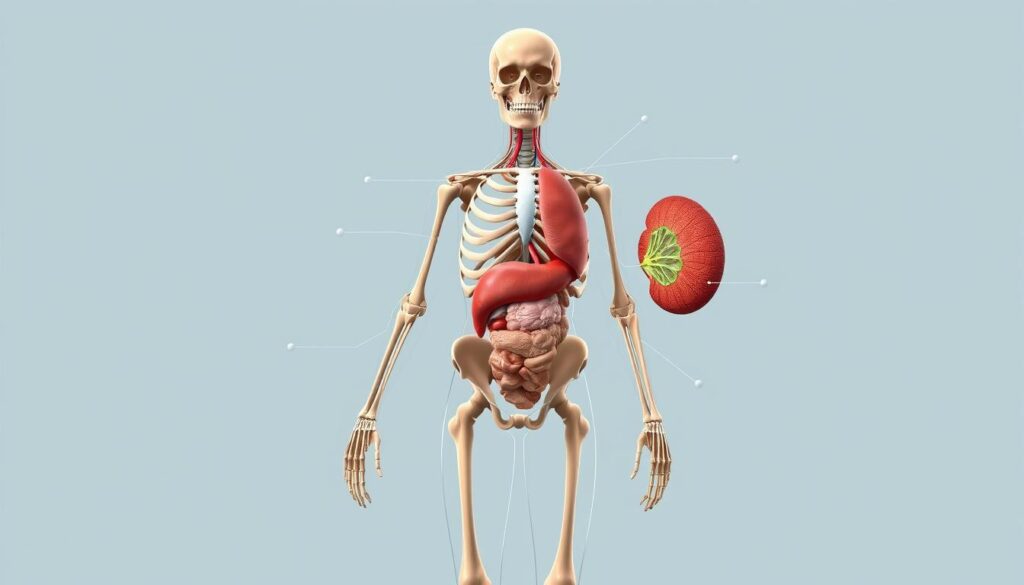
For a more detailed analysis, the 4-component (4C) model is used. The 4C model divides your body weight into water, protein, minerals, and fat. Adults are more than 50% water, with water contained in body fat, muscles, blood, and other bodily fluids. This can be further broken down into intracellular water (inside cells) and extracellular water (outside cells).
- Water is a significant component, making up more than half of an adult’s body weight.
- Protein reflects the protein contained in your body’s muscles.
- Minerals are primarily found in the bloodstream and inside bone tissue.
- Fat is essential for various bodily functions, as discussed earlier.
By understanding these components, you can gain a more nuanced insight into your body composition and make informed decisions about your health and fitness goals.
Why Body Composition Analysis Matters for Health
Understanding your body composition is crucial for maintaining overall health and reducing the risk of chronic diseases. Body composition refers to the percentage of body fat compared to lean body mass. This information is vital because it provides a more accurate picture of health risks than weight alone.
Your body composition influences your metabolic health, athletic performance, and even the risk of chronic diseases. For instance, having a high percentage of body fat, particularly visceral fat, is linked to increased risks of cardiovascular disease and type 2 diabetes.
Health Risks Associated with Poor Body Composition
Poor body composition, characterized by high body fat and low lean body mass, is associated with numerous health risks. These include an increased risk of cardiovascular disease, type 2 diabetes, and certain types of cancer. Moreover, individuals with “normal” BMI but unhealthy body composition, often referred to as “skinny fat,” may face hidden health risks despite appearing to be at a healthy weight.
The Centers for Disease Control and Prevention (CDC) notes that BMI alone is not an accurate tool for assessing health risks because it doesn’t differentiate between fat and lean body mass. This limitation underscores the importance of body composition analysis in health assessment.
Beyond BMI: The Limitations of Traditional Metrics
Traditional metrics like Body Mass Index (BMI) have significant limitations when it comes to assessing health risks. BMI categorizes individuals based on weight and height but fails to account for body composition. As a result, athletes or individuals with high muscle mass may be misclassified as overweight or obese based on BMI alone.
Furthermore, BMI doesn’t distinguish between different types of body fat. Visceral fat, for example, poses a greater health risk than subcutaneous fat. Body composition analysis provides a more nuanced understanding of health risks, enabling targeted interventions to improve overall health outcomes.
Anthropometric Methods for Body Composition Analysis
Anthropometric measurements offer a straightforward and accessible way to analyze body composition. These measurements describe body mass, size, shape, and level of fatness, providing a foundational assessment of overall adiposity.
Weight, Height, and BMI Calculations
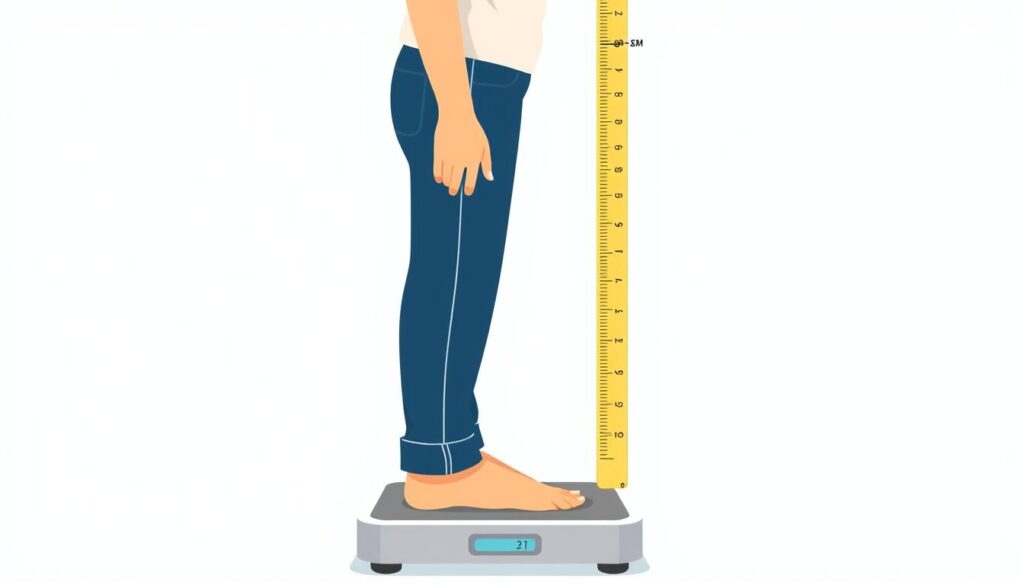
Basic anthropometric measurements include weight, stature, and body mass index (BMI). BMI is calculated as weight divided by stature squared (kg/m2), serving as a descriptive index of body habitus that encompasses both lean and obese individuals. Understanding your BMI and its classification can provide insights into your body composition, although it has its limitations.
Abdominal Circumference Measurements
Abdominal circumference is another important measurement, serving as an indicator of central adiposity. It includes both subcutaneous fat deposition and visceral adipose tissue, making it a significant factor in assessing health risks associated with excess fat around the abdomen.
Skinfold Caliper Testing
Skinfold measurements are used to characterize subcutaneous fat thickness at various body regions. While useful, they have limited utility in overweight or obese adults. Proper technique and measurement sites are crucial for accurate body composition assessment using skinfold calipers.
These anthropometric methods for body composition analysis offer a balance of accessibility, cost-effectiveness, and varying degrees of accuracy. Understanding their advantages and limitations is key to interpreting the results effectively.
Bioelectrical Impedance Analysis (BIA)
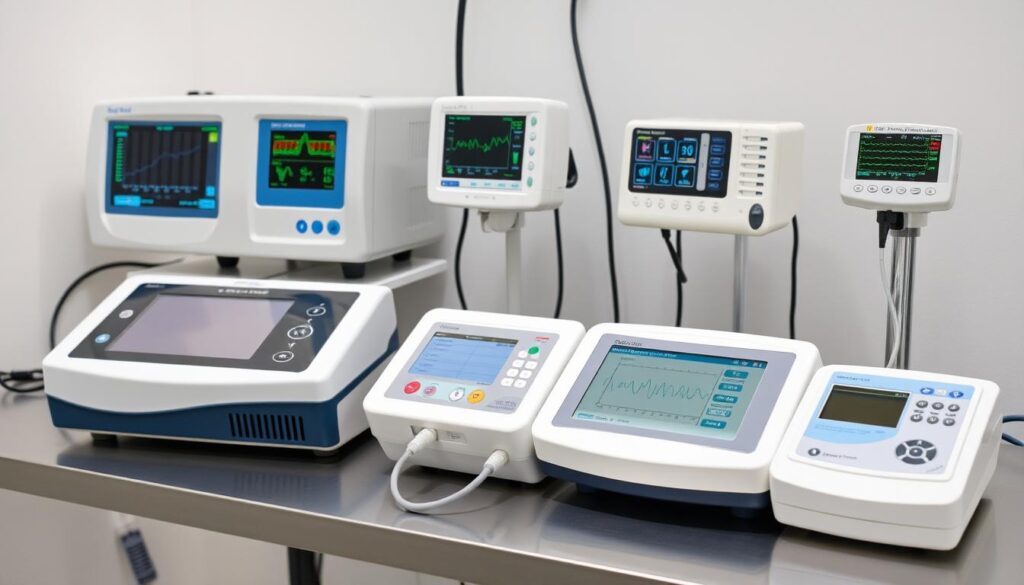
The science behind Bioelectrical Impedance Analysis (BIA) provides valuable insights into body composition. BIA works by sending a small, painless electrical current through your body and measuring the opposition (impedance) it encounters as it travels through different tissue types, particularly water.
How BIA Technology Works
BIA technology relies on the principle that different body tissues have distinct electrical properties. Lean tissue, which contains a high amount of water, is a good conductor of electricity, whereas fat tissue is not. By measuring the impedance, BIA devices can estimate your body’s composition, including fat mass and fat-free mass.
Consumer vs. Professional BIA Devices
There’s a significant difference between consumer-grade BIA devices, such as bathroom scales and handheld units, and professional-grade equipment. Consumer devices typically measure impedance in only one part of the body (e.g., legs or arms) and estimate overall body composition. In contrast, professional BIA devices can measure the entire body directly, providing more accurate results.
Accuracy and Limitations of BIA
While BIA is a convenient and non-invasive method, its accuracy can be affected by several factors, including hydration status, recent exercise, meal timing, and menstrual cycle. To get the most accurate results, it’s essential to follow the device’s instructions and consider these factors. Despite its limitations, BIA remains a valuable tool for tracking changes in body composition over time.
By understanding how BIA works and its limitations, you can make informed decisions about your health and fitness journey. Whether you’re using a consumer-grade device or a professional BIA analysis, this technology can provide valuable insights into your body composition.
Hydrostatic Weighing (Underwater Weighing)

When it comes to measuring body fat percentage, hydrostatic weighing is considered a gold standard due to its high precision. This method calculates your body composition by comparing your weight on land to your weight underwater, taking into account the density of water.
The Science Behind Underwater Weighing
Hydrostatic weighing relies on Archimedes’ principle, which states that the buoyancy of an object submerged in a fluid is equal to the weight of the fluid displaced by the object. Since fat is less dense than muscle, individuals with a higher percentage of body fat will experience greater buoyancy and weigh less underwater. By comparing this underwater weight with the weight on land and considering the density of the water, the body composition can be accurately calculated.
Procedure and Practical Considerations
To undergo hydrostatic weighing, you must first expel all the air from your lungs and then submerge yourself in a pool while sitting on a special scale. This process requires you to remain completely underwater and still, which can be challenging for some individuals. The method is highly accurate when performed correctly, but it has limitations, such as the inability to measure body components beyond fat percentage, like skeletal muscle mass or body water.
Despite these limitations, hydrostatic weighing remains a valuable tool for assessing body composition. Its high accuracy and established methodology make it a reliable choice for those seeking precise measurements of their body fat percentage.
Dual-Energy X-Ray Absorptiometry (DEXA) Scans
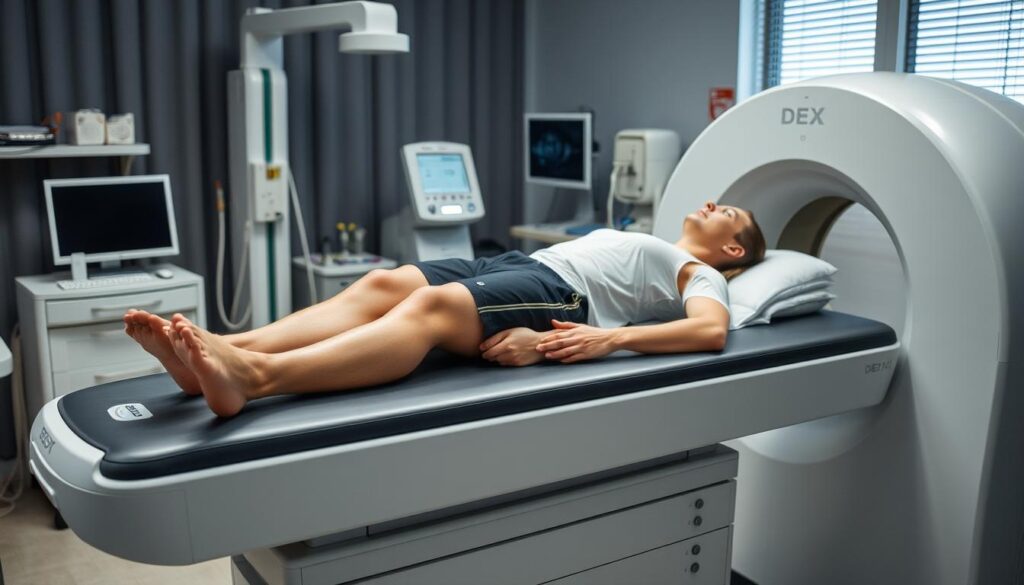
Dual-Energy X-Ray Absorptiometry (DEXA) scans have revolutionized the field of body composition analysis. This technology provides a comprehensive assessment of your body composition, including fat mass, lean mass, and bone density.
DEXA scans utilize two different energy levels of X-rays to distinguish between bone, fat tissue, and lean tissue throughout your entire body. This allows for a precise measurement of your body composition.
How DEXA Technology Measures Body Composition
The DEXA technology works by using two low-energy X-ray beams. These beams are attenuated differently by various tissues in your body, enabling the device to calculate the composition of your body accurately. This method is highly regarded for its ability to provide detailed regional analysis, including visceral fat surrounding your internal organs.
What to Expect During a DEXA Scan
During a DEXA scan, you will be asked to lie on a table while the scanner passes over your body. The process is quick, typically taking between 10 to 20 minutes. You will be exposed to a minimal amount of radiation, less than 5 mrem. It’s recommended to wear loose, comfortable clothing without metal objects for the most accurate results.
Interpreting DEXA Results
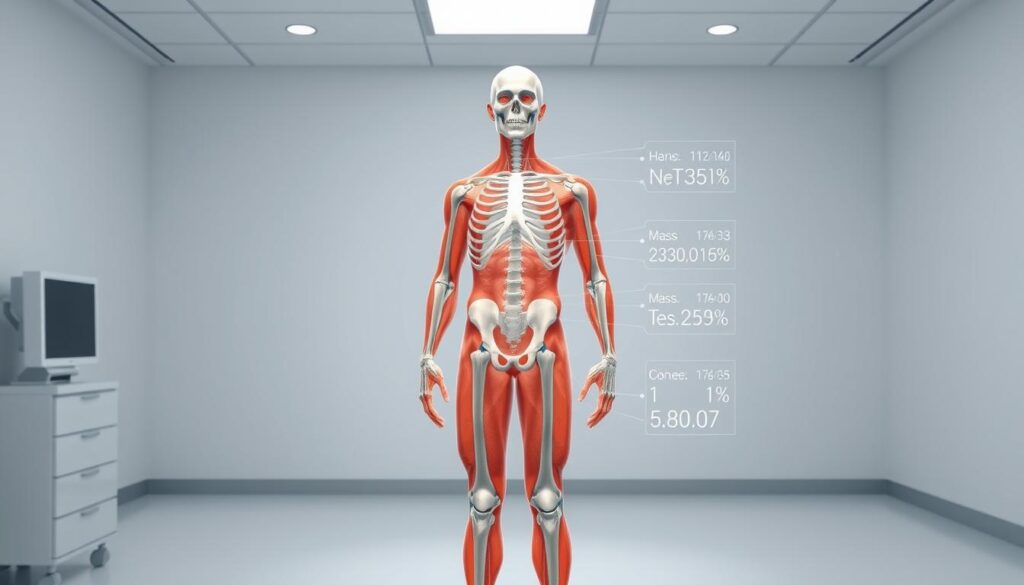
DEXA scan results provide a detailed breakdown of your body composition, including your body fat percentage, regional fat distribution, lean mass, and bone mineral density. Understanding these results can help you identify areas for improvement in your health and fitness journey.
By leveraging DEXA scans, you can gain a deeper understanding of your body composition and make informed decisions to achieve your health goals.
Air Displacement Plethysmography (Bod Pod)

Air Displacement Plethysmography, or Bod Pod, is a cutting-edge method for assessing body composition. This technology measures body volume by calculating the amount of air displaced when you sit inside the Bod Pod chamber.
How the Bod Pod Measures Body Composition
The Bod Pod works by having you sit inside its egg-shaped chamber. It measures the volume of air displaced by your body, which is then used to calculate your body density. By combining this data with your weight, the Bod Pod can accurately determine your body fat percentage and fat-free mass.
Advantages and Limitations
The Bod Pod offers several advantages, including quick testing, high accuracy, and comfort, as it doesn’t require water submersion. However, it does make assumptions about tissue density, which may not be accurate for everyone, particularly the elderly or children. Additionally, factors like body hair and clothing can affect the results.
Overall, the Bod Pod is a valuable tool for body composition assessment, providing insights that can be crucial for health and fitness goals. By understanding its advantages and limitations, you can make informed decisions about your health.
Advanced Methods: Total Body Water and Neutron Activation
Advanced body composition analysis techniques, such as total body water measurement and neutron activation analysis, offer highly accurate assessments. These methods, primarily used in research settings, provide detailed insights into body composition that are not available through more conventional techniques.
Isotope Dilution for Total Body Water Measurement
Total body water (TBW) is measured using isotope dilution, a technique involving the consumption of a known amount of deuterium or tritium-labeled water. As this labeled water distributes throughout the body, its concentration is measured to determine TBW volume. This method is based on the principle that water maintains a relatively stable relationship with lean tissue, allowing for the estimation of fat-free mass (FFM) and body fat. However, it’s worth noting that this method assumes an average proportion of TBW in FFM of 73%, which can vary.
Neutron Activation Analysis
Neutron activation analysis is a sophisticated technique that measures specific elements in the body, such as nitrogen, calcium, sodium, and carbon. After exposure to a neutron field, the gamma output is measured as the cell nucleus relaxes. This method is highly accurate for tissue-specific body composition analysis, although it is complex, costly, and involves radiation exposure, making it more suitable for research rather than clinical practice.
As stated by a renowned researcher,
“Neutron activation analysis has revolutionized the field of body composition research by providing unparalleled accuracy in measuring body elements.”
Such advanced methods underscore the complexity and nuance of body composition analysis, highlighting the need for precise measurement techniques in both research and clinical contexts.
Comparing Body Composition Analysis Techniques
Understanding the different body composition analysis techniques is essential for making informed decisions about your health and fitness journey. Various methods are available, each with its strengths and weaknesses. The four common methods of measuring your body composition are calipers, hydrostatic weighing, DEXA, and BIA.
When choosing a body composition analysis technique, it’s crucial to consider factors such as accuracy, accessibility, and cost. While some methods offer high accuracy, they may be less accessible due to equipment requirements or cost.
Accuracy vs. Accessibility
The trade-off between accuracy and accessibility is a significant consideration when selecting a body composition analysis method. Techniques like hydrostatic weighing and DEXA scans are considered highly accurate but require specialized equipment, making them less accessible. On the other hand, methods like BIA and skinfold measurements are more accessible but may be less accurate.
Cost Considerations
The cost of body composition analysis techniques varies widely. Methods like skinfold calipers are relatively inexpensive, while DEXA scans can be more costly. It’s essential to weigh the cost against the level of accuracy and accessibility you need. For instance, if you’re tracking changes over time, a less expensive method might be sufficient, while a more accurate method might be necessary for a one-time assessment.
By considering these factors, you can choose the most suitable body composition analysis technique for your specific needs and goals.
Special Considerations for Different Populations
Body composition analysis isn’t one-size-fits-all; different groups have unique requirements. When assessing body composition, it’s essential to consider the diverse characteristics of various populations to ensure accurate and meaningful results.
Athletes
Athletes present a unique challenge due to their higher muscle mass and lower body fat percentages. Different sports also have different optimal body composition profiles. For instance, distance runners typically have lower body fat, while weightlifters have more muscle mass. Accurate assessment for athletes requires methods that can reliably measure these components.
Obese Individuals
For obese individuals, standard body composition analysis techniques may be limited by equipment constraints. Many obese adults and children are too large for certain equipment like whole-body DXA scans, although some adaptations have been reported. Specialized protocols or adjustments to standard techniques are often necessary.
Age and Gender Factors
Age and gender significantly influence body composition. Women naturally have higher levels of “essential” body fat due to reproductive physiology, affecting recommended body fat percentages. As people age, body composition changes, with shifts in fat and muscle distribution. Understanding these factors is crucial for accurate interpretation of body composition results.
Tracking Changes in Body Composition Over Time
Monitoring changes in your body composition over time is crucial for understanding your health and fitness progress. This approach provides a more comprehensive view of your health than relying on a single measurement.
Frequency of Testing
The frequency of body composition testing depends on your individual goals and the rate of expected changes. For most people, testing every 4-8 weeks strikes a good balance between detecting meaningful changes and avoiding the frustration of daily or weekly fluctuations.
- For those focused on weight loss, more frequent testing might be beneficial to track progress.
- Athletes or individuals with specific performance goals may require more regular assessments.
- For general health monitoring, less frequent testing may suffice.
Interpreting Changes and Setting Realistic Goals
When interpreting changes in your body composition, it’s essential to account for normal fluctuations due to factors like hydration status, recent exercise, and menstrual cycle. Setting realistic goals is also crucial, understanding that healthy rates of fat loss and muscle gain vary from person to person.
By understanding these factors and adjusting your nutrition and exercise strategies accordingly, you can effectively use body composition tracking as a motivational tool to achieve your health and fitness goals.
Applying Body Composition Analysis to Your Health Journey
Body composition analysis is a powerful tool that can help you make informed decisions about your health. By “looking under the hood” and understanding what areas you need to improve on, you can achieve a healthy body composition and enhance your overall well-being.
To integrate body composition analysis into your health journey, you’ll need to understand how to use your results to inform your exercise programming and nutrition strategies. This includes balancing cardio and resistance training based on your current body composition and goals, as well as adjusting your macronutrient ratios and caloric intake to achieve a healthy weight and body fat percentage.
Working with health professionals, such as physicians, dietitians, and personal trainers, can help you interpret your body composition assessment results and create effective intervention strategies. They can help you set realistic goals and develop a plan to achieve them, ensuring that you’re on track to improving your overall health and muscle mass.
By incorporating body composition analysis into your health journey, you’ll be taking a holistic approach to your well-being. This includes considering not just physical metrics, but also your quality of life, functional capacity, and long-term well-being. With the right guidance and support, you can achieve a healthy body composition and enjoy the benefits that come with it.





No comment