
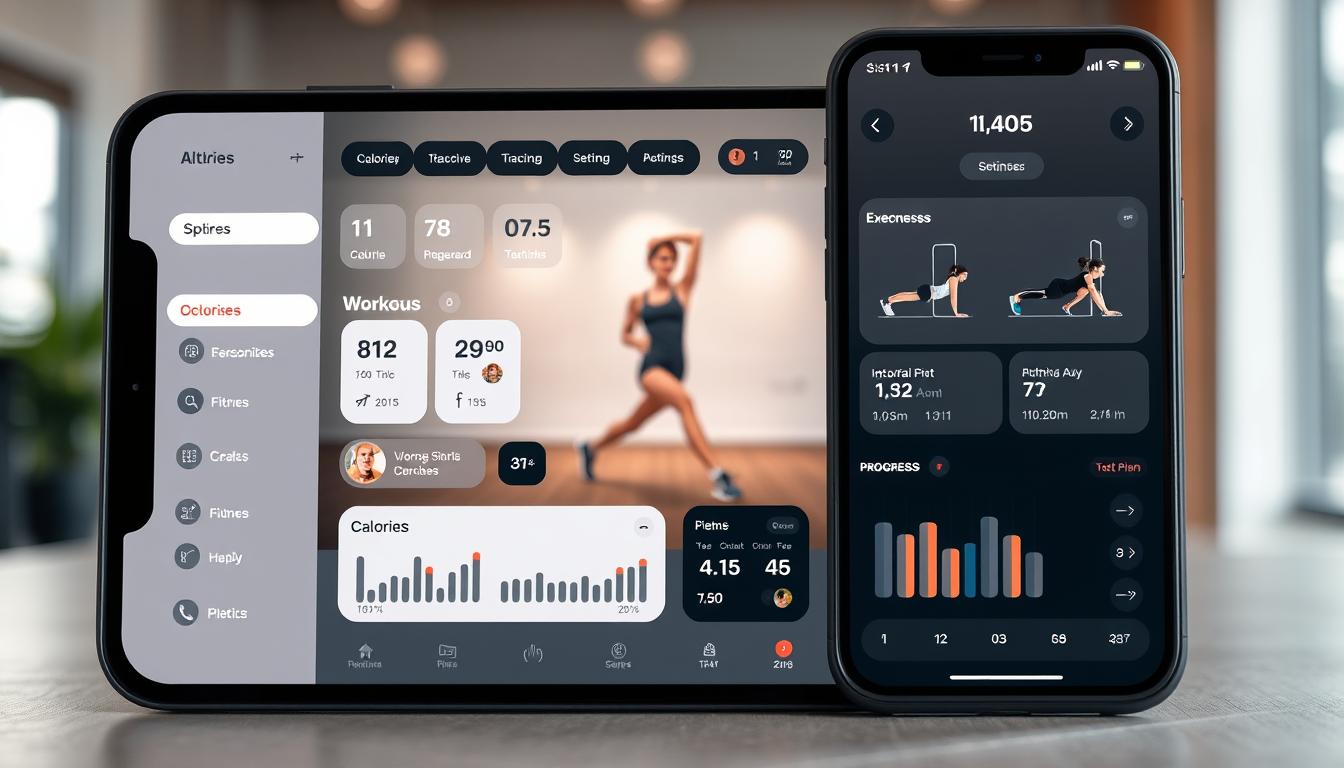
Are you tired of feeling stuck in your workout routine? With so many fitness apps available, it can be overwhelming to choose the right one. Our team of certified personal trainers, gym owners, and Olympic-level athletes has tested 20 different apps to determine which ones are worth your time and money.
We’ve put together a comprehensive guide to help you navigate the numerous options and find the best app for your training needs. Whether you’re looking to improve your overall fitness, increase your endurance, or simply stay motivated, we’ve got you covered. By exploring the key features and benefits of the top-rated fitness apps, you’ll be able to take your workout routine to the next level and achieve your goals.
Why Fitness Apps Are Transforming Home and Gym Workouts
With the advent of fitness apps, the way you exercise has changed dramatically, bringing professional training and accountability directly to your smartphones. The best workout apps offer more than just stand-alone workouts; they provide well-thought-out programs intended to help you improve your strength, flexibility, speed, or whatever fitness goal you’re after.
Fitness apps have revolutionized how people approach exercise by bringing professional guidance directly to their smartphones, eliminating the need for expensive personal trainers. These digital tools provide structure and accountability that many people struggle to maintain on their own, making it easier to establish consistent workout habits.
- Modern fitness apps use advanced algorithms and AI to create personalized workout experiences that adapt to your progress, fitness level, and available equipment.
- The convenience of having workout guidance available anytime and anywhere has made fitness more accessible to people with busy schedules or those who prefer exercising at home.
- Many apps now integrate with wearable technology to provide comprehensive tracking of metrics beyond just workout performance, including sleep, recovery, and overall activity levels.
- The social and community features of fitness apps create motivation through friendly competition, shared achievements, and support networks that weren’t possible with traditional workout methods.
By leveraging these features, fitness apps are not just changing how we work out; they’re transforming the overall fitness experience. Whether you’re looking to improve your strength, enhance your cardio endurance, or simply maintain a healthy lifestyle, there’s a fitness app designed to help you achieve your goals.
How to Choose the Right Fitness App for Your Goals
To navigate the vast array of fitness apps effectively, it’s crucial to first define your fitness goals and then evaluate apps based on those objectives. This strategic approach ensures that you select an app that aligns with your specific needs, whether you’re focusing on strength training, cardiovascular health, flexibility, or weight loss.
When choosing a fitness app, consider your current fitness level. If you’re a beginner, you may need an app that offers more instructional content and form guidance. In contrast, advanced users might prioritize progressive programming that challenges them and helps them achieve their goals more efficiently.
Another critical factor is the equipment requirements of the app. Ensure that the app’s demands are compatible with what you have available at home or at your gym. Some apps are designed for minimal equipment and are perfect for home workouts, while others are optimized for gym settings with access to a wide range of equipment.
The user interface and overall experience of the app are also crucial. Look for an app with an intuitive navigation system, clear instructions, and visual demonstrations that match your learning style. This will make your workout routine more enjoyable and help you stay motivated.
Consider your preferred workout style and environment as well. Some apps excel at home workouts with minimal equipment, while others are better suited for gym settings. Additionally, accountability features can vary significantly between apps, ranging from simple reminders to community challenges and personal coaching. Choose an app that provides the level of motivation you need to stay on track.
Finally, evaluate the pricing structure and trial options. Ensure that the app fits within your budget and offers good value for the features provided. Many apps offer a free trial period, allowing you to test their features before committing to a subscription.
- Define Your Fitness Goals: Clearly outline what you want to achieve, whether it’s building strength, improving cardiovascular health, increasing flexibility, or losing weight.
- Assess Your Fitness Level: Choose an app that caters to your current fitness level, whether you’re a beginner or an advanced user.
- Consider Equipment Requirements: Ensure the app’s equipment demands align with what you have available.
- Evaluate User Experience: Opt for an app with an intuitive interface and clear instructions.
- Accountability Features: Select an app that offers the right level of motivation for you.
- Pricing and Trial: Consider the app’s pricing structure and whether it offers a free trial or reasonable subscription plans.
Key Features to Look for in Top Fitness Apps
When searching for the ideal fitness app, it’s crucial to identify the features that distinguish top fitness apps from the rest. The best workout apps offer more than just stand-alone workouts; they provide well-thought-out programs intended to help you improve your strength, flexibility, speed, or whatever fitness goal you’re after.
A comprehensive workout library is essential for maintaining interest and addressing different fitness needs throughout your journey. Look for an app that offers diverse exercise options, ensuring that you can mix up your workouts and avoid plateaus.
Video demonstrations and form guidance are critical features that help ensure proper technique, reducing injury risk and maximizing workout effectiveness. Additionally, progress tracking capabilities allow you to monitor improvements over time, providing motivation and helping identify areas that need more attention.
Customization is another key aspect of a top fitness app. The ability to adapt to your fitness level, available equipment, time constraints, and specific goals makes for a more personalized experience. Furthermore, integration with wearable devices and other health apps creates a more complete picture of your overall health and fitness.
Other important features include community features and social sharing capabilities, which can provide additional motivation through accountability and friendly competition. Offline functionality is also crucial, ensuring you can access your workouts even without internet connectivity, which is particularly important for outdoor activities.
Lastly, a user-friendly interface with intuitive navigation makes the difference between an app you’ll use consistently and one that becomes frustrating. When choosing a fitness app, consider how these features align with your workout goals and preferences, ensuring that you select an app that supports your overall fitness program.
- Comprehensive workout libraries with diverse exercise options
- Video demonstrations and form guidance for proper technique
- Progress tracking capabilities to monitor improvements
- Customization options for a personalized experience
- Integration with wearable devices and other health apps
- Community features and social sharing for motivation
- Offline functionality for accessibility
- User-friendly interfaces for intuitive navigation
Best Overall Fitness Apps for Complete Workout Solutions
The quest for the ideal fitness app ends with the Shred App and Ladder, which provide expert-led training and AI-powered customization. These two apps stand out for their comprehensive approach to fitness, catering to various goals and preferences.
Shred App: AI-Powered Training for All Fitness Levels
Overview
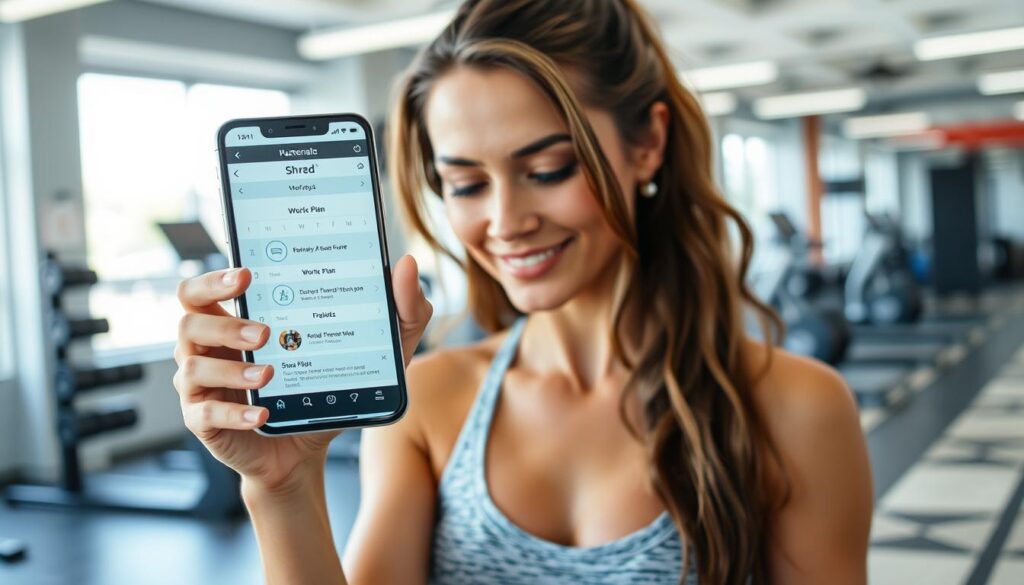
The Shred App is an AI-powered virtual trainer that customizes workouts for your home or commercial gym. It offers high-quality strength training programs and acts as a personal trainer at a fraction of the cost.
Key Features
The app features customizable programming, workout variety, and a 7-day trial with an annual plan. It also offers discounts for military, first responders, and teachers.
Pros
Personalized workouts: The AI-powered system adapts to your performance and feedback. Versatile: Suitable for both home and commercial gym settings.
Cons
Some users may prefer more human interaction, and the app’s effectiveness depends on consistent user input.
Ladder: Expert-Led Programs with Personal Coaching
Overview
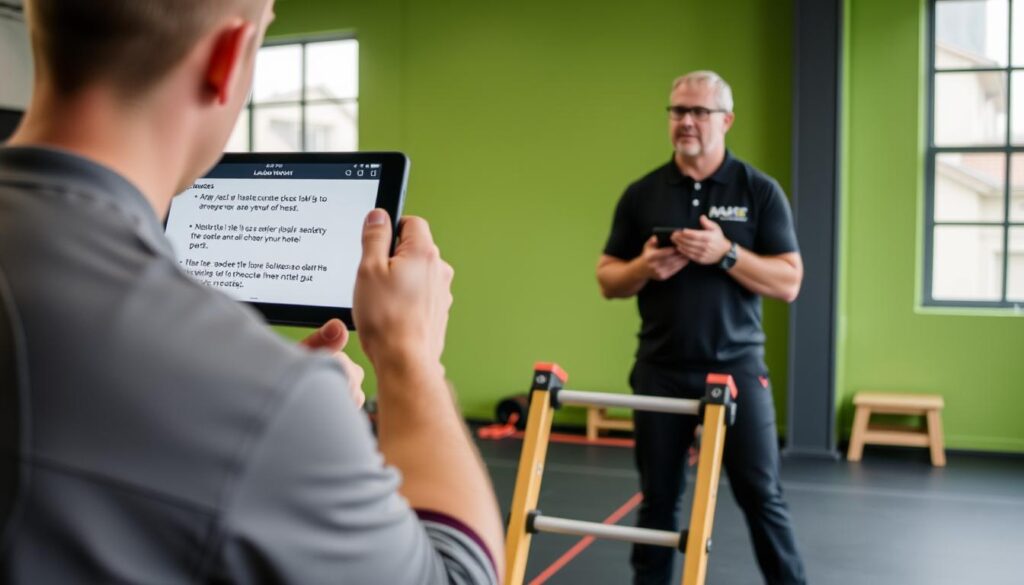
Ladder offers expert-led programs with personal coaching, providing new workouts weekly based on your goals and preferred training style. It’s available on iOS and offers different pricing tiers.
Key Features
The app includes guided workouts, personal training from actual coaches, and progress tracking. It’s designed to give you the best of both worlds: intense guided workouts and personalized coaching.
Pros
Expert coaching: Coaches provide motivation and guidance. Variety: Five-plus new workouts weekly keep your routine fresh.
Cons
The pricing may be a barrier for some, with costs ranging from $14.99 to $29.99 monthly, depending on the plan.
Both the Shred App and Ladder excel at providing structure and accountability while allowing flexibility in workout scheduling and equipment usage. They represent top choices for those seeking comprehensive fitness solutions.
Best Fitness Apps for Personal Training and Coaching
In the quest for a more tailored fitness experience, the best fitness apps for personal training and coaching are revolutionizing home workouts. These apps bridge the gap between traditional in-person coaching and self-guided workout apps, offering personalized guidance at a fraction of the cost of regular in-person sessions.
Future: Premium One-on-One Virtual Coaching
Overview
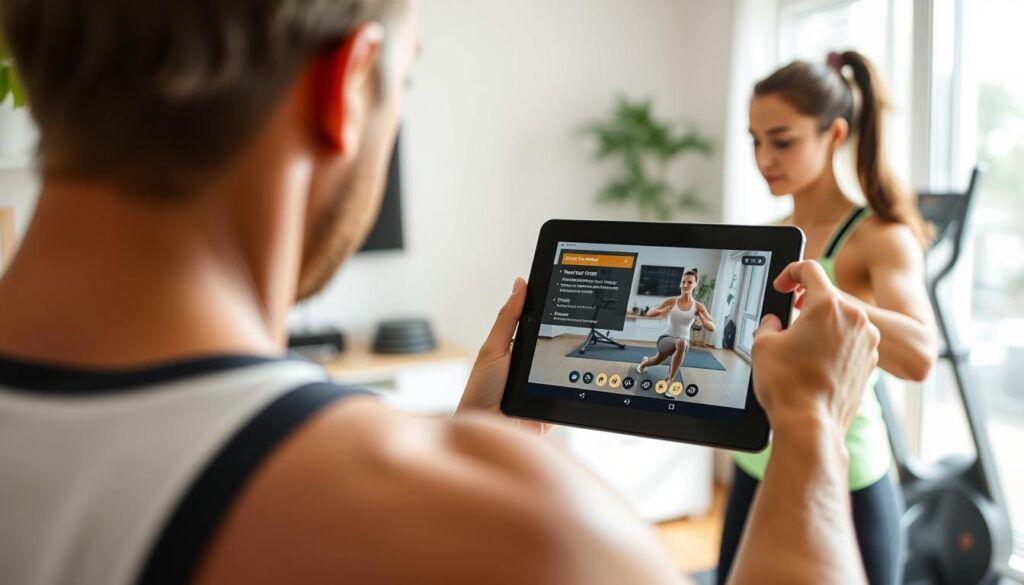
Future offers premium one-on-one virtual coaching that connects you with a certified personal trainer who creates customized workout programs tailored to your specific goals and available equipment.
Key Features
At approximately $200 per month, Future provides a high-end coaching experience with daily check-ins, personalized feedback, and workout adjustments based on your progress and feedback. The app allows you to choose your coach based on coaching styles and expertise areas, with the option to change coaches if needed.
Pros
The personalized approach and human interaction make Future stand out. Users praise the app for its excellent support from personal coaches, who not only design workouts but also consider feedback for future training plans.
Cons
The cost, around $200 a month, may be prohibitive for some users. However, the 30-day risk-free trial allows you to test the service before committing fully.
Caliber Strength Training: Scientific Approach to Fitness
Overview
Caliber Strength Training is a fitness coaching program grounded in scientific principles designed to increase strength and improve body composition. The app offers both group and individual training plans written and modified by a certified coach based on progress.
Key Features
Caliber offers multiple membership tiers, including a free-forever version with an exercise library of over 500 movements, a $19/month group coaching option, and premium one-on-one coaching starting at $200/month. Nutrition plans are also available, providing a comprehensive approach to fitness.
Pros
The scientific approach and variety of plans make Caliber a versatile tool for fitness enthusiasts. The app’s focus on progressive overload principles helps users achieve their strength and body composition goals.
Cons
While the free version is robust, some features and more personalized coaching require a paid subscription. However, the flexibility in membership tiers allows users to choose a plan that suits their needs and budget.
Best Fitness Apps for Strength Training and Weightlifting
Strength training and weightlifting have become more accessible and effective with the advent of specialized fitness apps. These apps offer a range of features that can help you optimize your workouts, track your progress, and achieve your fitness goals.
Strong: Comprehensive Workout Tracking
Overview
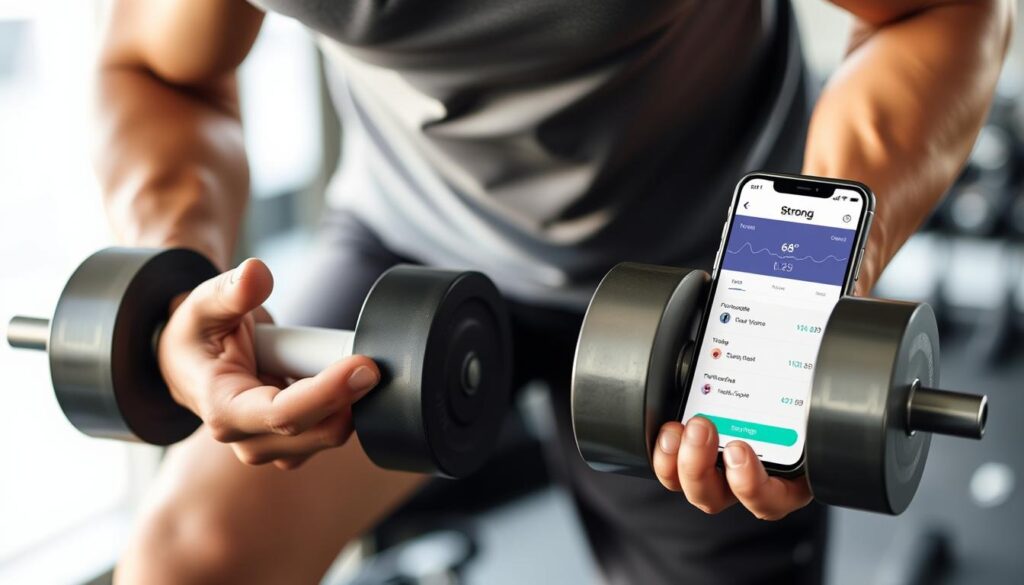
Strong is a template-based fitness app designed for those who need a consistent strength training plan. It offers easy-to-use workout templates and a comprehensive exercise library with demonstrations.
Key Features
Comprehensive Exercise Library: Strong features an extensive library with exercise demonstrations, helping you learn proper form and discover new exercises.
Workout Templates: The app allows you to choose or create a workout plan and save it for future use, making it ideal for consistent weightlifting routines.
Pros
Advanced Analytics: Strong’s paid subscription offers advanced analytics, including exercise volume tracking and personal record monitoring, giving you valuable insights into your progress.
Cons
While Strong is highly effective for those who prefer structured workouts, it may not be as flexible for users who prefer to vary their routine frequently.
PUSH: Science-Backed Strength Programs
Overview
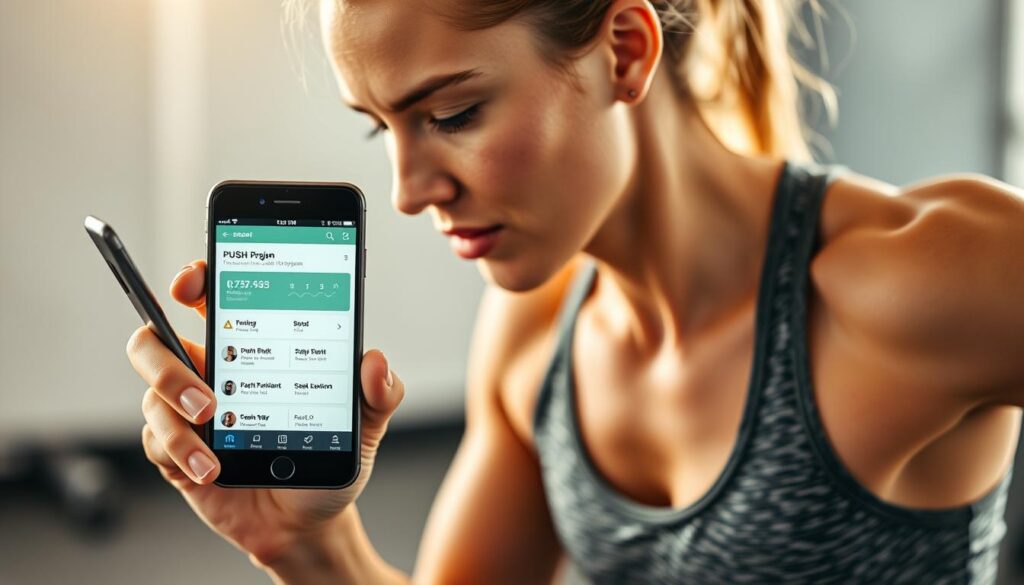
PUSH uses AI to generate personalized, science-backed strength training programs based on the principle of progressive overload. It’s designed for users who prefer a structured approach to their workouts.
Key Features
Personalized Programs: PUSH creates customized training programs tailored to your fitness level and goals.
Predictive Analytics: The app provides predictive analytics to track your future progress, making your training more rewarding and sustainable.
Pros
Science-Backed Approach: PUSH’s use of progressive overload principles ensures that your workouts are optimized for growth and strength.
Cons
PUSH may not be suitable for users who prefer to freestyle their workouts or change their routine based on how they feel on a given day.
Hevy: Flexible Workout Planning for Busy Lifestyles
Overview
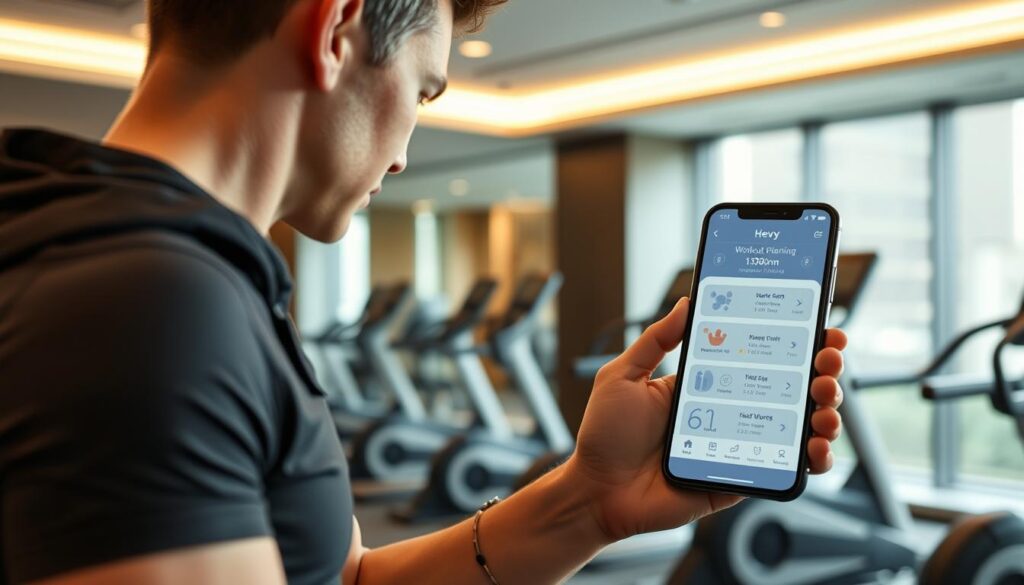
Hevy is designed for users with busy lifestyles who need flexibility in their workout planning. It allows you to sort workouts by location (home vs. gym) and available equipment.
Key Features
Flexible Workout Planning: Hevy enables you to create and sort workouts based on your current environment and available equipment.
Customizable Rest Timers: The app includes customizable rest timers to help you manage your workout pace.
Pros
Adaptability: Hevy’s flexibility makes it easier to maintain consistency in your workouts despite changes in your environment.
Cons
While Hevy is highly adaptable, users seeking a more structured program might find it less appealing due to its flexibility.
Best Fitness Apps for Running and Cardio
To take your running or cardio workouts to the next level, consider using one of the top-rated fitness apps designed for these activities. The right app can provide you with the motivation, tracking features, and training plans you need to achieve your fitness goals.
Strava: Social Fitness Tracking with Competitive Edge
Overview
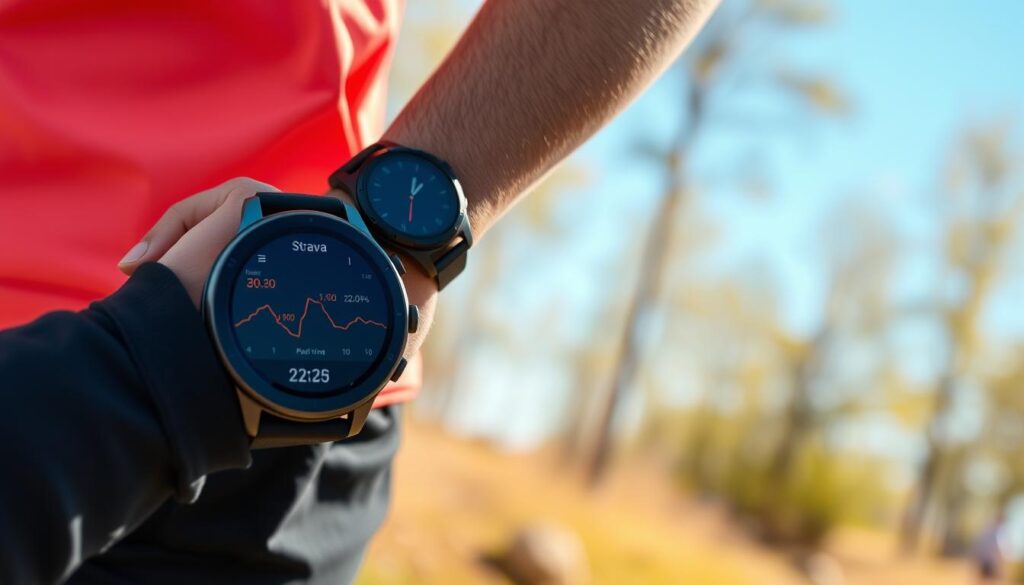
Strava has become a cultural phenomenon among fitness enthusiasts, particularly for outdoor cardio activities like running and cycling. Its social features create a competitive edge that motivates users to push their limits.
Key Features
Strava offers accurate mapping of outdoor activities, live beacon tracking for safety, and a robust social community where you can follow friends, browse their activity feeds, and discover popular routes nearby.
Pros
Competitive Edge: Strava’s social features foster a competitive environment that motivates users. Accurate Tracking: The app provides precise mapping and tracking of outdoor activities.
Cons
Some users may find the competitive aspect intimidating, and certain premium features require a subscription.
Nike Run Club: Comprehensive Running Support

Overview
Nike Run Club is a free app that offers comprehensive running support with training plans for all distances, from beginner 5Ks to marathons. The app is available on both Android and iOS platforms.
Key Features
The app provides perfectly programmed speed runs, recovery runs, and long runs, all guided by Nike’s expert running coaches. This feature is especially valuable for running beginners who need motivation and instruction.
Pros
Expert Guidance: Nike’s coaches provide high-quality guidance throughout your workout. Comprehensive Plans: The app offers training plans for various distances and fitness levels.
Cons
Some users might find the need for a Nike account to access certain features, and the app may occasionally push users to purchase Nike products.
Runna: Specialized Race Training Programs
Overview
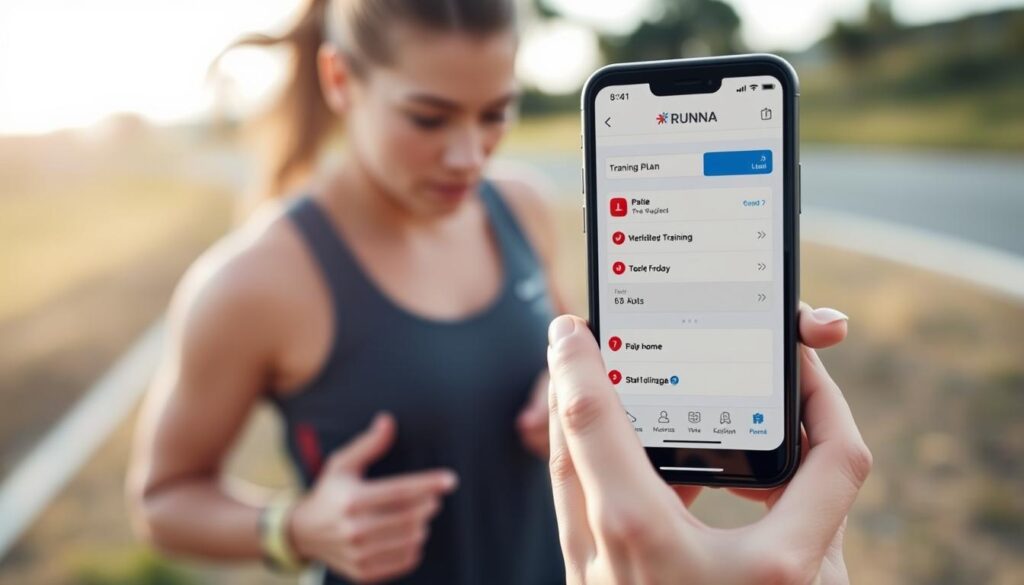
Runna specializes in race training with structured plans customized to your goals, including often-neglected strength training components. The app is ideal for those actively training for a race.
Key Features
Runna offers community groups based on upcoming races, creating accountability and camaraderie among runners. The app also features calendar sync to help busy runners stay on track with their training schedules.
Pros
Customized Plans: Runna’s training plans are tailored to your specific goals. Community Support: The app fosters a sense of community among runners training for the same events.
Cons
Some users may find the need for a subscription to access premium features, and the app’s focus on race training might not appeal to casual runners.
Best Fitness Apps for Beginners
Starting a new exercise routine can be challenging, but with the right fitness app, beginners can set themselves up for success. The key is finding an app that provides accessible workouts, clear instructions, and a supportive environment.
BetterMe: Accessible Workouts for All Levels
Overview
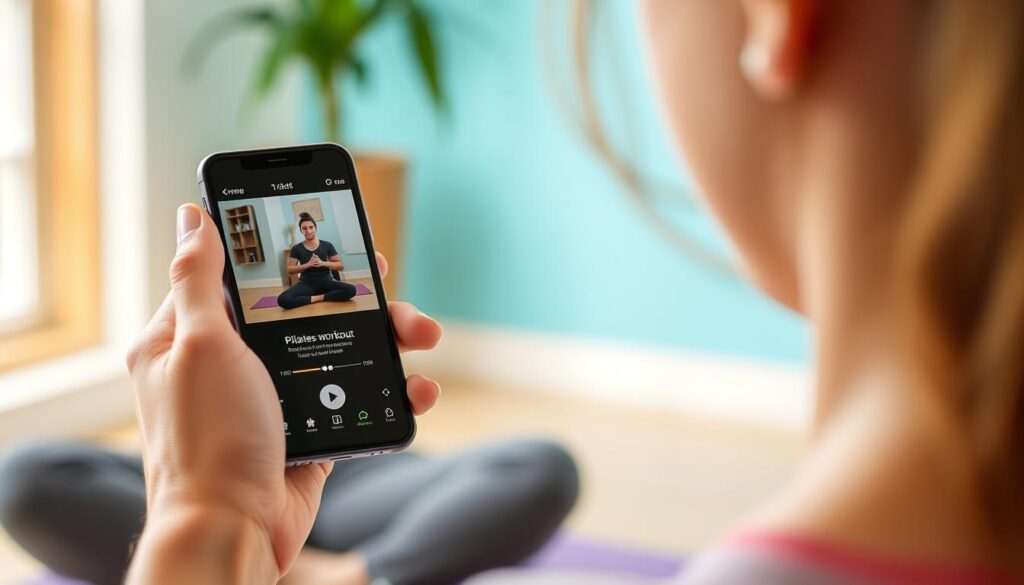
BetterMe is a Pilates-focused workout app designed specifically for beginners. It offers a variety of low-impact exercises that are easy to follow, making it an excellent choice for those new to fitness.
Key Features
The app features responsive coaches, a 7-day trial, nutrition tracking, and step tracking. Its video compilation of exercises is well-cued and instruction is clear, helping beginners learn proper form and technique.
Pros
Accessible Workouts: BetterMe provides workouts that are specifically designed for beginners, easing them into fitness with low-impact exercises.
Nutrition Tracking: The app includes a nutrition function where users can track calories or gather healthy meal ideas, providing a holistic approach to wellness.
Cons
While BetterMe is highly rated, it’s essential to consider that it is Pilates-focused, which might not appeal to everyone looking for a varied workout routine.
Fitbod: AI-Generated Personalized Workouts
Overview
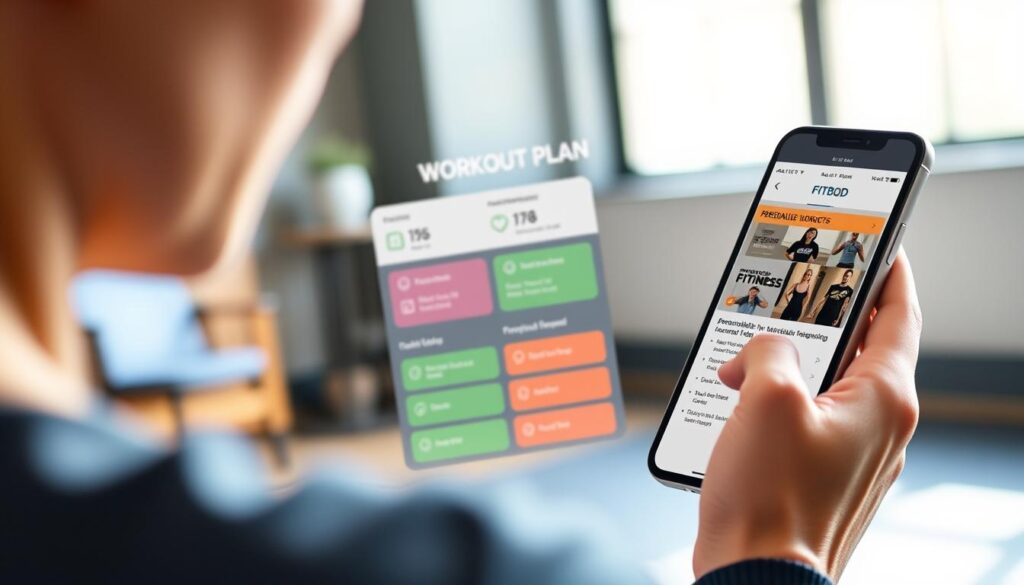
Fitbod is an innovative fitness app that uses AI to generate personalized strength training plans based on the user’s fitness level, available equipment, and goals.
Key Features
The app’s intelligent algorithm adjusts workouts based on user feedback and performance, ensuring that routines remain challenging yet achievable.
Pros
Personalized Workouts: Fitbod takes the guesswork out of planning workouts, keeping strength routines fresh and engaging.
Progressive Overload: The app focuses on progressive overload principles, helping users make consistent progress in their fitness journey.
Cons
Fitbod is priced at $15.99 per month or $95.99 per year, which might be a consideration for some users, especially those on a tight budget.
Best Fitness Apps for Yoga and Low-Impact Exercise
If you’re looking to diversify your workout routine with yoga or low-impact exercises, consider these highly-regarded fitness apps that cater to your needs.
YogaRenew: Comprehensive Yoga Practice

Overview
YogaRenew is a fitness app designed to provide a comprehensive yoga practice experience. With multiple styles ranging from vinyasa to restorative practices, it’s ideal for those seeking low-impact exercise options. The app offers over 1,000 live classes to stream, catering to all experience levels, intensities, and time constraints.
Key Features
Multiple yoga styles are available, including vinyasa and restorative practices. The app also includes guided meditation and breathwork classes to complement your physical practice, promoting a holistic approach to mind-body wellness.
Pros
The variety of classes and levels ensures that both beginners and advanced practitioners can find suitable workouts. Additionally, the inclusion of meditation and breathwork classes enhances the overall wellness experience.
Cons
Some users may find the pricing model, at $14 per month or $84 per year after a 7-day trial, to be a drawback. However, the extensive library of classes justifies the cost for many users.
Obé Fitness: Body-Positive Workout Community
Overview
Obé Fitness stands out with its body-positive approach to workouts, deliberately avoiding toxic fitness language and diet culture messaging. The app is designed specifically with women in mind, offering unique features like cycle-syncing workouts and perimenopause support.
Key Features
With over 17,000 on-demand classes across more than 24 class types and 70 training programs, Obé provides incredible variety for those who prefer low-impact workouts like Pilates and barre. The app fosters a supportive community that encourages users to reach their fitness goals.
Pros
The body-positive approach and focus on women’s health needs make Obé Fitness a standout in the fitness app market. The vast library of classes ensures that users can always find a workout that suits their mood and fitness level.
Cons
The pricing, at $27 monthly, $65 quarterly, or $199 annually, may be a consideration for some users. However, the quality and variety of the content justify the investment for those committed to their fitness journey.
Best Fitness Apps for Activity Tracking
When it comes to tracking your daily activity, having the right fitness app can make all the difference. Whether you’re an avid athlete or just starting your fitness journey, the best fitness apps for activity tracking can help you stay on top of your game.
Apple Fitness: Seamless Integration for Apple Users
Overview
Apple Fitness is a great multipurpose fitness app that comes standard and free with every iPhone. It tracks both workouts and general activity levels, including flights of stairs climbed and movement throughout the day.
Key Features
Apple Fitness provides seamless integration for Apple users with an intuitive interface featuring three colored rings that track active calories burned, exercise minutes, and hourly movement. It supports dozens of workout types, from running to Pilates to tennis, and works best when paired with an Apple Watch for enhanced accuracy and features.
Pros
The app is beautifully designed and easy to use, making it a great choice for Apple users. It includes all key features for free, with no additional costs.
Cons
While Apple Fitness is highly integrated with Apple devices, its functionality is somewhat limited for non-Apple users.
Fitbit: Comprehensive Health and Fitness Monitoring
Overview
Fitbit is a great alternative to Apple Fitness, offering comprehensive health and fitness monitoring that extends beyond just activity tracking. It includes features such as sleep, nutrition, hydration, menstrual cycles, glucose levels, and weight tracking.
Key Features
Fitbit provides decent all-around activity tracking, plus achievement badges for motivation. With a premium subscription, it offers daily readiness scores that help users determine optimal training intensity based on recovery status.
Pros
Fitbit works across both iOS and Android platforms, making it a versatile option for users. It offers a range of features that help users monitor their overall health and fitness.
Cons
While Fitbit offers a free version, some of its more advanced features require a premium subscription.
Both Apple Fitness and Fitbit offer unique features that cater to different user needs. By choosing the right fitness app for activity tracking, you can take your fitness journey to the next level.
Best Fitness Apps for Group Workouts and Classes
The best fitness apps for group workouts and classes are revolutionizing how we stay active, making it easier to find motivation and community at home. These apps bring the energy and variety of group fitness classes directly to your living room, offering a range of workouts and training programs.
Les Mills+: Studio-Quality Group Fitness

Overview
Les Mills+ is a fitness app that offers a vast library of workouts, including strength, cardio, mind and body, and audio-based running sessions. With content ranging from 10 to 55 minutes, it’s designed to cater to all fitness levels and preferences.
Key Features
Personalized Recommendations: The app provides personalized workout recommendations based on your fitness level and goals.
Progress Tracking: You can track your progress over time, helping you stay motivated.
Cycle-Syncing Workouts: A unique feature that allows workouts to be tailored according to your menstrual cycle.
Pros
Variety of Workouts: With a wide range of workouts available, you can easily find something that suits your mood and fitness goals.
Motivating Atmosphere: The app recreates the motivating atmosphere of in-person group classes with energetic coaches and music.
Cons
Some users might find the pricing plans to be on the higher side, with costs ranging from $7.49 to $29.99 per month.
Alive by Whitney Simmons: Motivational Fitness Community
Overview
Alive by Whitney Simmons is a fitness app that focuses on creating a motivational community with access to over 100 daily workouts and more than 10 programs. It’s designed for those who prefer strength training and community support.
Key Features
Daily Workouts: Access to over 100 daily workouts that cater to different skill levels and equipment availability.
Multi-Day Challenges: Engaging challenges that keep you motivated and committed to your fitness goals.
Video Demonstrations: Workouts come with video demonstrations to ensure proper form and technique.
Pros
Community Support: The app boasts an 18,000+ member Facebook community, providing accountability and support.
Variety and Flexibility: With numerous workouts and programs, you can vary your routine and stay engaged.
Cons
The app is priced at $14.99 per month, which might be a consideration for those on a tight budget.
Pricing Comparison of Top Fitness Apps
The cost of fitness apps can range from absolutely free to several hundred dollars per month. This wide range in pricing reflects the diverse features and levels of personalization available in the market.
Many top fitness apps operate on a freemium model, offering basic features for free and premium features through a subscription. This model allows users to test the app’s functionality before committing financially. For instance, Strava offers its basic features for free, while its premium subscription starts at $11.99/month.
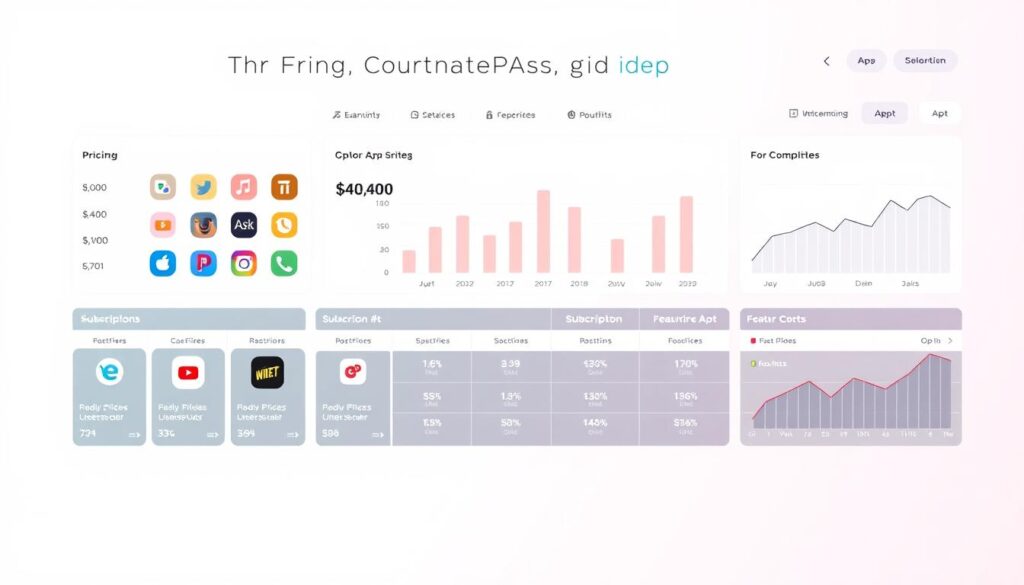
When comparing prices, you’ll find that some apps are very budget-friendly. Hevy, for example, offers its premium features for $2.99/month, making it one of the most affordable options. Similarly, Strong is priced at $3.99/month, and Apple Fitness offers its premium features for $9.99/month.
Mid-range options provide more specialized content and features. Fitbit Premium costs $9.99/month, Strava Premium is $11.99/month, PUSH is $13.49/month, and YogaRenew is $14/month. These apps offer a balance between price and the value they provide to users.
On the higher end, there are apps that offer more personalized coaching and premium content. Runna is priced at $19.99/month, and Obé Fitness costs $27/month. Les Mills+ offers various plans ranging from $7.49 to $29.99/month, depending on the subscription.
The most premium options, such as Caliber Premium and Future, offer one-on-one coaching starting around $199/month. While this may seem expensive, it’s still significantly less than traditional in-person personal training.
It’s worth noting that annual subscription options often provide significant savings compared to monthly payments. Discounts typically range from 20-40% for committing to a year-long subscription. For example, YogaRenew offers a yearly subscription for $84, which is a discount on its monthly price of $14.
- Budget-friendly options: Hevy ($2.99/month), Strong ($3.99/month), Apple Fitness ($9.99/month)
- Mid-range options: Fitbit Premium ($9.99/month), Strava Premium ($11.99/month), PUSH ($13.49/month), YogaRenew ($14/month)
- Higher-end options: Runna ($19.99/month), Obé Fitness ($27/month)
- Premium options: Caliber Premium and Future (around $199/month)
How to Maximize Results with Your Chosen Fitness App
Maximizing results with your chosen fitness app requires a strategic approach. To achieve your desired fitness goals, you need to understand how to use the app effectively and make the most of its features.
Consistency is Key
Establishing a regular schedule for your workouts and sticking to it is crucial. Use the app’s reminder and scheduling features to stay on track and maintain consistency in your workout routine. By doing so, you’ll be able to make progress and see results over time.
Tracking Your Progress
Take full advantage of your app’s tracking capabilities by logging all your workouts, measurements, and progress photos. This will help you maintain motivation and identify patterns in your performance, allowing you to adjust your training plan as needed.
- Customize the app settings to match your specific goals, fitness level, and available equipment.
- Connect your fitness app with other health apps and wearable devices to create a comprehensive picture of your overall health.
- Engage with the community features of your chosen app to increase accountability and motivation.
- Set specific, measurable goals within the app and celebrate milestones along the way.
- Make use of instructional content like form videos and technique guides to ensure you’re performing exercises correctly.
Adjusting Your Training Plan
Don’t be afraid to adjust your training plan as you progress. Many apps allow you to increase difficulty or change focus areas as your fitness improves or your goals evolve. By making these adjustments, you’ll be able to continue challenging yourself and achieving results.
By following these strategies and making the most of your fitness app, you’ll be able to maximize your results and achieve your desired fitness goals in a efficient and effective way.
The Future of Fitness Apps: Trends to Watch
Emerging trends in fitness apps are set to transform the industry, offering more personalized and immersive experiences. As technology continues to advance, fitness apps are becoming increasingly sophisticated, leveraging artificial intelligence (AI) and machine learning to analyze workout data and adapt training plans with greater precision.
The integration of virtual reality (VR) and augmented reality (AR) is emerging as the next frontier for fitness apps, creating immersive workout experiences that make exercise more engaging and gamified. This trend is expected to continue, with VR and AR becoming more mainstream in the fitness industry.

Another significant trend is the increasing sophistication of wearable technology integration. Fitness apps are leveraging data from smartwatches, rings, and other devices to provide more comprehensive health insights beyond just workout metrics. This allows for a more holistic approach to fitness and wellness.
- Personalization is becoming increasingly advanced, with apps using multiple data points to create truly individualized workout experiences.
- Mental health and recovery features are being incorporated into fitness apps, recognizing the importance of holistic wellness.
- Community-building features are evolving to create more meaningful connections between users through virtual group workouts and coaching circles.
Furthermore, hybrid models that combine digital guidance with in-person experiences are emerging, allowing users to seamlessly transition between app-based workouts and studio classes or gym sessions. This flexibility is expected to become a key selling point for fitness apps.
The quality of content within fitness apps is also continuing to improve, with professional production values and celebrity trainers enhancing the user experience. As the fitness app market becomes increasingly competitive, the demand for high-quality content is driving innovation and excellence.
As you look to the future of fitness apps, it’s clear that technology will play a pivotal role in shaping the industry. By embracing these trends, you can stay ahead of the curve and make the most of your fitness journey.
Finding Your Perfect Fitness App Companion
The key to a successful fitness regimen lies in choosing an app that complements your lifestyle and objectives. To make an informed decision, start with an honest self-assessment of your current fitness level, available time commitment, and specific health and fitness goals.
Consider your preferred workout style – whether you thrive with structured training programs, enjoy the flexibility of creating your own routines, or need the accountability of a virtual coach or community. Evaluating your budget realistically is also crucial, as fitness app subscriptions can range from free to $200+ monthly.
Take advantage of free trials and freemium versions to test multiple apps before committing financially. Pay attention to the user interface, workout variety, and how well the app fits into your lifestyle. Matching the app’s specialty to your primary fitness goals – whether it’s strength training, cardio improvement, or yoga for flexibility – is vital.
Ultimately, the best fitness app is one that you’ll use consistently. Prioritize user experience, enjoyment, and sustainability over flashy features that might not serve your long-term success. By carefully considering these factors, you can find a fitness app that becomes your ideal workout companion.


No comment