
When it comes to achieving your fitness goals, a well-structured training program is just the beginning. What’s equally important is allowing your body to recover and adapt to the demands you’re placing on it.
Effective recovery is critical for improving performance and preventing injury. By understanding how your muscles repair and strengthen after exercise, you can optimize your routine for long-term progress.
This comprehensive guide will explore the latest recovery techniques that help your body repair, your energy stores replenish, and your overall health improve.
Why Recovery Is Essential for Fitness Progress
Adequate recovery is the backbone of any successful fitness regimen, allowing for improved performance over time. When you exercise, you cause micro-tears in your muscle fibers, which is a necessary stimulus for growth but requires adequate recovery time to repair.

The Science Behind Muscle Repair and Growth
During the recovery phase, your body works to heal these micro-tears through a process called muscle protein synthesis, which ultimately leads to stronger, more resilient muscles. Consuming protein after your workout can help give your body the raw material it needs to repair muscle damage. Research suggests that consuming roughly 1.6 grams of protein per kilogram of body weight per day is enough to maximize muscle growth.
Muscle recovery isn’t just about protein; it’s also about allowing your central nervous system to reset after the stress of intense training, which is crucial for maintaining proper movement patterns and force production.
How Recovery Prevents Injury and Overtraining
Without sufficient recovery time, these tears accumulate rather than heal, leading to decreased performance, increased soreness, and potentially serious injuries. Overtraining syndrome, characterized by persistent fatigue, decreased performance, and increased injury risk, occurs when recovery is consistently inadequate relative to training volume.
“Recovery is a critical component of any training program, and neglecting it can have serious consequences on overall health and performance.”
Strategic recovery prevents the negative cascade of physiological effects that come with overtraining, including compromised immune function, disrupted sleep, and hormonal imbalances. By prioritizing recovery, you can maintain a healthy balance between training and rest, ultimately leading to better fitness outcomes.
Nutrition Strategies for Optimal Workout Recovery
The right nutrition strategy can significantly enhance your body’s recovery process after a workout. Adequate nutrition helps replenish energy stores, repair muscles, and support overall physical recovery.
Post-Workout Protein and Carbohydrate Timing
Consuming the right balance of protein and carbohydrates post-workout is crucial. Protein helps repair and build muscle tissue, while carbohydrates replenish glycogen stores. Research suggests that consuming protein within 30-60 minutes after exercise is optimal for muscle recovery. The quality of protein is also important, with complete proteins containing all essential amino acids being most effective.
Hydration’s Role in Recovery
Proper hydration is fundamental to recovery. It facilitates nutrient transport to muscles, regulates body temperature, and aids in the removal of metabolic waste products. Dehydration can significantly impair muscle recovery, especially in hot or humid conditions. It’s recommended to drink 1.5 liters of fluid for every kilogram lost during exercise to avoid dehydration.
Anti-Inflammatory Foods and Supplements
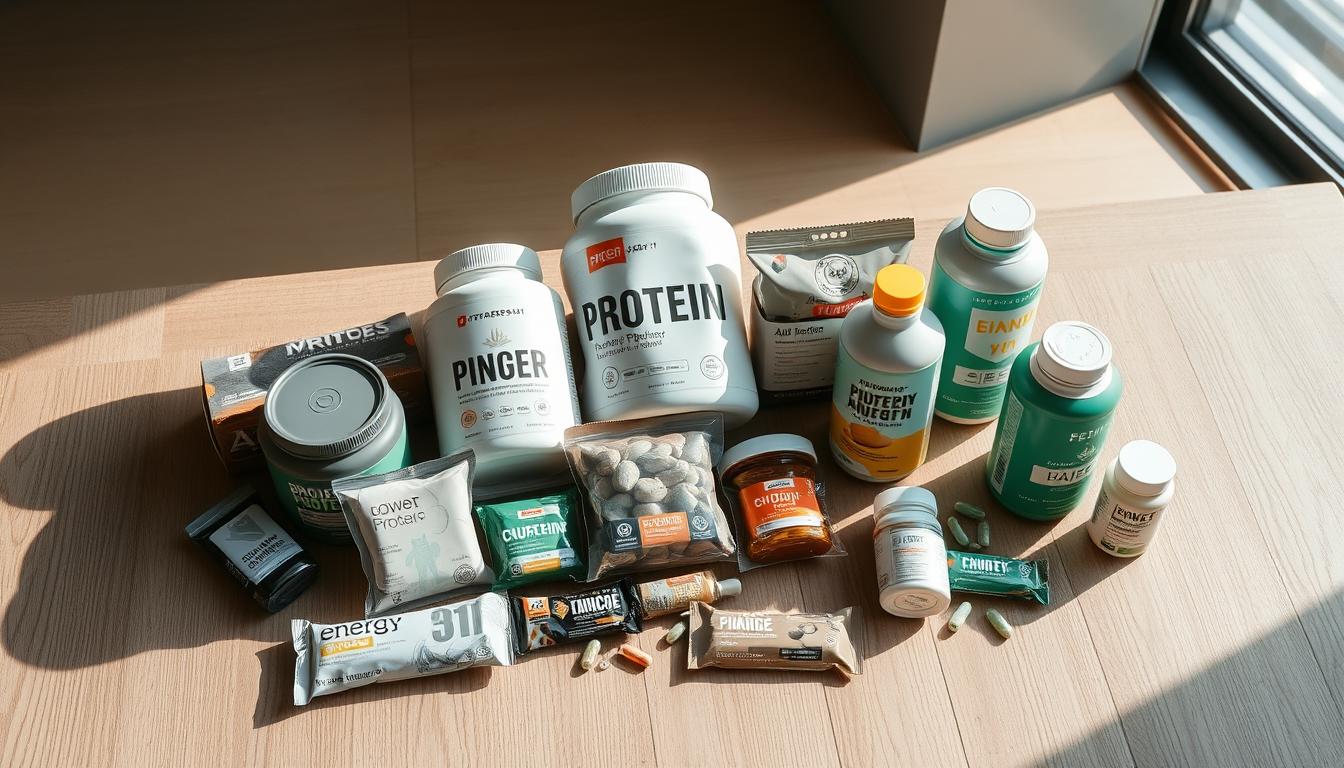
Incorporating anti-inflammatory foods and supplements into your diet can help reduce exercise-induced inflammation and accelerate recovery. Foods like tart cherries, fatty fish, turmeric, and berries have anti-inflammatory properties. Supplements such as creatine monohydrate can also enhance recovery by improving cellular hydration and promoting faster glycogen resynthesis.
Timing your nutrition throughout the day is also crucial. Maintaining consistent protein intake across meals helps sustain muscle protein synthesis rates for optimal recovery. By focusing on these nutrition strategies, you can significantly improve your body’s ability to recover from workouts, leading to better performance and progress over time.
Sleep: The Ultimate Workout Recovery Strategy
When it comes to workout recovery, one of the most critical factors is often overlooked: sleep. Adequate sleep gives your muscles the time they need to recover from the stress of exercise. During sleep, your body repairs and rebuilds muscle tissue, making it an essential component of any workout routine.

How Sleep Affects Muscle Recovery and Hormone Balance
Sleep plays a crucial role in muscle recovery and hormone balance. Research has shown that sleep deprivation can impair muscle recovery by disrupting the body’s inflammation reaction and the production of hormones that aid in muscle growth. During sleep, your body produces the majority of its growth hormone, which is essential for tissue repair, muscle growth, and bone building after exercise stress.
The quality of sleep is just as important as the quantity. Deep sleep stages are particularly crucial for physical recovery, while REM sleep supports cognitive recovery and skill acquisition. Athletes typically require more sleep than the general population, with research suggesting 8-10 hours per night is optimal for those engaged in regular intense training.
Techniques to Improve Sleep Quality for Athletes
To improve sleep quality, athletes can establish a consistent sleep schedule to regulate their body’s circadian rhythm. Creating an optimal sleep environment—cool, dark, and quiet—can significantly enhance sleep quality. Pre-sleep habits like avoiding blue light from screens, limiting caffeine and alcohol, and implementing relaxation techniques can also dramatically improve sleep quality and, subsequently, recovery.
By prioritizing sleep and implementing these techniques, athletes can optimize their recovery, leading to improved performance and overall well-being.
Active Recovery vs. Complete Rest
As you navigate your workout recovery, it’s essential to know when to opt for active recovery versus complete rest. Both approaches have their benefits and drawbacks, and understanding when to use them can significantly impact your fitness progress.
Benefits of Light Movement on Rest Days
Active recovery involves performing low-intensity exercise (30-60% of maximum heart rate) that promotes blood flow to muscles without causing additional damage or fatigue. The benefits of active recovery include:
- Reducing delayed onset muscle soreness (DOMS) more effectively than complete rest
- Maintaining mobility and preventing stiffness
- Enhancing circulation to flush metabolic waste products and deliver fresh oxygen and nutrients
When to Choose Complete Rest Over Active Recovery
While active recovery is beneficial, there are times when complete rest is necessary. If you’re experiencing significant fatigue, early signs of overtraining, or recovering from an injury, your body may require total downtime to heal. The optimal balance between active recovery and complete rest varies based on training intensity, individual recovery capacity, and specific fitness goals.
By strategically implementing both active recovery and complete rest within a periodized training program, you can maximize adaptation while minimizing injury risk.
Effective Workout Recovery Strategies for Different Training Types

Recovery is not a one-size-fits-all process; it varies significantly depending on whether you’re engaging in strength, endurance, or high-intensity interval training. The principle of training specificity extends to recovery—the most effective recovery methods align with the specific physiological demands of your primary training modality.
Recovery After Strength Training
Strength training creates specific recovery demands due to the microscopic muscle damage and central nervous system fatigue that occurs during heavy lifting sessions. Optimal recovery after strength training typically requires 48-72 hours for specific muscle groups, which is why split routines targeting different body parts on consecutive days are effective. This allows for adequate recovery time, ensuring you’re ready for your next workout.
Recovery After Endurance Training
Endurance training depletes glycogen stores and causes different types of muscular fatigue than strength training, requiring nutrition-focused recovery strategies emphasizing carbohydrate replenishment. Active recovery techniques, such as light jogging or cycling, can also help promote blood flow and aid in the removal of waste products. This type of recovery is crucial for maintaining performance during prolonged exercise.
Recovery After High-Intensity Interval Training
High-Intensity Interval Training (HIIT) requires addressing both the anaerobic and aerobic systems, with particular attention to glycogen restoration and nervous system recovery. Active recovery methods like stretching or foam rolling can be beneficial in reducing muscle soreness and improving flexibility. By incorporating these strategies, you can maintain high-intensity performance over time.
Recovery Tools and Techniques Worth Trying
To enhance your workout recovery, consider incorporating some of the most effective tools and techniques used by top athletes. Various methods can help alleviate muscle soreness, improve flexibility, and accelerate recovery. Here, we’ll explore some of the most beneficial recovery tools and techniques.
Massage and Foam Rolling Benefits
Massage therapy and foam rolling are popular recovery techniques among athletes. Many athletes incorporate massage in their training to reduce muscle soreness. A 2020 review of studies found that massage has a small but significant effect on improving flexibility and decreasing delayed onset muscle soreness after exercise. Foam rolling works by breaking up adhesions between muscle layers and fascia, increasing blood flow to tissues, and reducing tension that can impair recovery.
Compression Garments and Their Effects
Compression garments have become common among athletes over the past several decades. Research on compression garments suggests they may enhance recovery by reducing exercise-induced swelling, decreasing muscle oscillation during movement, and potentially improving venous return. A small 2019 study found that they lowered time for body muscle recovery in German handball players.
Cold Therapy and Heat Treatments
Cold therapy techniques, including ice baths, cryotherapy, and localized icing, reduce inflammation and pain by constricting blood vessels and decreasing metabolic activity in the affected tissues. Cryotherapy is the technique of exposing your body to an extremely cold temperature for a few minutes. Research has found that it may speed up recovery by reducing pain, inflammation, and muscle tiredness after strenuous activity. Contrast therapy—alternating between heat and cold treatments—creates a pumping action in the blood vessels that may accelerate the removal of metabolic waste products from muscles.
The effectiveness of recovery tools varies significantly between individuals—what works well for one athlete may provide minimal benefits for another, highlighting the importance of personalized recovery approaches. By understanding and utilizing these recovery tools and techniques, you can optimize your recovery process and enhance your overall fitness progress.
Building a Personalized Recovery Routine That Works
To maximize your training gains, it’s essential to develop a recovery routine that suits your unique needs and schedule. Your body’s recovery capacity plays a significant role in determining your overall fitness progress and performance.
Understanding that recovery time varies based on factors like workout intensity, duration, and individual health status is crucial. For instance, after a relatively light workout, your muscles may recover in 24 hours, while more challenging workouts might take two to three days or even longer.
To create an effective recovery routine, consider tracking recovery markers like resting heart rate, sleep quality, and mood. This helps you objectively assess when your body needs more recovery time. Additionally, integrating multiple recovery modalities, such as nutrition, sleep, and active recovery, can enhance overall recovery effectiveness.
By personalizing your recovery routine and being consistent, you can optimize your performance and achieve better long-term results. It’s also important to plan recovery in advance and adjust your routine according to your changing needs throughout different training cycles.


No comment