

Staying on track with your fitness goals can be challenging, even for the most dedicated individuals. You might find yourself struggling to maintain consistent exercise habits, and your internal dialogue may often lead to skipping workouts. This can significantly impact your long-term goals.
It’s normal to experience fluctuations in motivation during your fitness journey. However, having the right tools and strategies can help you push through difficult periods. This article will provide you with practical, science-backed strategies to overcome common barriers and establish a sustainable exercise routine.
By understanding the challenges that hinder your progress and learning how to stay motivated, you can achieve fitness success. Our comprehensive approach will cover everything from understanding motivation barriers to advanced strategies for achieving your goals.
Why Workout Motivation Fades
Understanding why your motivation to work out fades is crucial to maintaining a consistent exercise routine. We all know that being active and participating in a regular workout program is good for our mind, body, and soul. However, the initial enthusiasm often wanes due to various factors.
Common Reasons People Lose Exercise Drive
Several factors contribute to the decline in motivation. Unrealistic expectations and external pressures can lead to disappointment and frustration. Life transitions, such as new jobs or caregiving responsibilities, can disrupt exercise routines. Seasonal changes, particularly Seasonal Affective Disorder (SAD), can also affect motivation levels. Additionally, physical limitations and injuries can create negative associations with exercise.
- Unrealistic expectations and external pressures
- Life transitions disrupting routines
- Seasonal changes and SAD
- Physical limitations and injuries
Recognizing Your Personal Motivation Barriers
Identifying your personal barriers to motivation is the first step toward overcoming them. Reflect on your workout experience and consider what reasons might be causing your lack of motivation. Is it a change in your routine or a significant life event? Understanding these factors can help you develop strategies to maintain your motivation for exercise and overall health.
By acknowledging and addressing these challenges, you can work towards sustaining your workout motivation and achieving your fitness goals.
Setting SMART Fitness Goals That Stick
The key to a successful fitness regimen lies in creating goals that are both achievable and meaningful. To achieve lasting motivation, it’s essential to establish clear and actionable fitness objectives. This is where the SMART goal framework comes into play, helping you create a roadmap for success.
Defining Your Fitness “Why”
Understanding your personal “why” is crucial. Your “why” is the underlying reason you want to achieve your fitness goals. It’s what drives your motivation and helps you stay committed. To define your “why,” reflect on your personal values and what you hope to achieve through your fitness journey.
Creating Specific and Measurable Objectives
Aim for ‘SMART’ goals, which stands for: Specific, Measurable, Actionable, Realistic, Time-bound. Instead of vague, lofty goals that will take time for you to reach (such as losing 50 pounds), go for smaller, realistic goals. For example, you might set a goal to exercise for 30 minutes, three times a week, for the next month. Frequently achieving smaller goals helps fuel motivation to keep going, and all of those small goals add up to big benefits.
- Be specific about what you want to achieve.
- Make sure your goals are measurable.
- Ensure your goals are achievable and aligned with your “why.”
Celebrating Small Victories Along the Way
Celebrating your progress is vital for maintaining motivation. By acknowledging and celebrating small victories, you reinforce your commitment to your fitness journey. This practice helps in staying positive and motivated, encouraging you to continue striving towards your larger goals. Start small, celebrate your achievements, and keep moving forward.
To maintain the right balance of challenge and achievability, regularly reassess and adjust your goals as you progress. This ensures that you remain motivated and engaged in your fitness journey.
Effective Workout Motivation Tips for Daily Practice
Your daily workout motivation can be significantly enhanced by implementing time-specific strategies. Understanding how your energy levels fluctuate throughout the day is crucial to maintaining a consistent exercise routine.

Morning Motivation Strategies
Starting your day with a workout can be challenging, but with the right strategies, it can become a habit. Here are some tips for early risers:
- Sleep in your workout clothes to save time and mental energy.
- Put your alarm out of reach to avoid hitting the snooze button.
- Gather your squad: Exercising with a friend or family member can boost motivation.
- Listen to a podcast or your favorite music to get you pumped up.
Midday Energy Boosters
For those who prefer exercising during their lunch break or experience an afternoon slump, midday energy boosters can be a lifesaver. Consider the following:
- Take a short walk outside to refresh your mind and body.
- Do a quick 10-minute workout to get your blood flowing.
- Try some stretching exercises to loosen up tight muscles.
Evening Exercise Encouragement
After a long day at work, it can be tough to get started with a workout. However, with the right mindset, you can overcome end-of-day fatigue. Here are some motivation tips:
- Exercise before you go home to avoid the commute and other distractions.
- Think in small increments: Break your workout into manageable chunks.
- Do what you love: Engage in physical activities that bring you joy.
Identifying your personal “peak motivation window” and structuring your workout schedule accordingly can make a significant difference in your daily practice. By understanding your natural energy patterns and incorporating these tips into your routine, you’ll be well on your way to a more motivated workout routine.
Building Exercise Into Your Routine
Exercise becomes a sustainable habit when it’s woven into the fabric of your daily routine. By incorporating physical activity into your daily schedule, you can make it a non-negotiable part of your life, similar to brushing your teeth or taking a shower.
Creating a Sustainable Workout Schedule
To create a sustainable workout schedule, you need to consider your existing commitments and energy patterns. Identify the times of the day when you have the most energy and schedule your workouts accordingly. Be realistic about how much time you can dedicate to exercise each day and stick to it.
Making Exercise a Non-Negotiable Habit
Making exercise a habit requires treating it as a non-negotiable part of your daily routine. Just as you wouldn’t miss brushing your teeth or taking a shower, you should prioritize your workout. Schedule it in your calendar and establish pre-workout routines that trigger your exercise behavior.
Using the 3×10 Rule for Busy Days
For busy days, consider the 3×10 rule: break your exercise into three 10-minute sessions throughout the day. This could mean taking a short walk in the morning, doing a few squats during your lunch break, and completing some crunches in the evening. By doing so, you can still achieve a regular workout even on the busiest of days, exercising multiple times a day.
Consistency is key when building an exercise habit. Focus on making exercise a regular part of your routine, and you’ll be more likely to stick to it in the long run. By prioritizing your workout and scheduling it into your daily planner, you can ensure that you make time for physical activity, even on busy days, throughout the week.
Finding Activities You Actually Enjoy
The most effective exercise routine is one that you look forward to. When you enjoy your workout, you’re more likely to stick with it long-term, making it a sustainable part of your lifestyle.
Matching Workouts to Your Personality Type
Understanding your personality type can help you choose a workout that suits your preferences. For instance, if you’re a social person, consider group fitness classes or join a recreational sports team. If you’re more introverted, solo activities like running, swimming, or yoga might be more appealing. Experimenting with different environments, such as outdoors or in a gym, can also help you find what works best for you.
Experimenting With Different Exercise Modalities
There’s a wide range of exercise modalities to try, from cardio and strength training to flexibility and balance exercises. You might enjoy activities like dancing, hiking, or cycling. Temptation bundling – pairing exercise with entertainment, such as listening to a podcast or watching TV while you work out – can make the experience more enjoyable. Try different activities to discover what resonates with you.
Combining Fitness With Entertainment
Combining fitness with entertainment can make your workout more enjoyable. You can listen to music, audiobooks, or podcasts while exercising. Alternatively, try exercising with a friend or family member to make it a social activity. You can also join a fitness class or workout group to add variety to your routine. By making exercise a positive experience, you’ll be more likely to look forward to it and make it a regular part of your routine.
- Try new activities to find what you enjoy
- Make exercise a social activity by working out with a friend
- Use temptation bundling to make exercise more enjoyable
- Regularly reassess your enjoyment levels and adjust your routine as needed
Leveraging Social Support for Accountability
You don’t have to go it alone; leveraging social support can boost your motivation and help you stay on track with your fitness goals. Having a support system in place can provide an added motivation to exercise and help you overcome common obstacles.
Finding the Right Workout Partner
Exercising with a friend or family member can make the activity more enjoyable and help keep you accountable. When choosing a workout partner, consider someone who shares your fitness level, goals, and schedule. This will help ensure that you both benefit from the partnership and can motivate each other effectively.
- Identify someone with similar fitness goals and preferences.
- Schedule workouts in advance to ensure commitment.
- Communicate your goals and expectations clearly.
Joining Fitness Communities and Classes
Joining a fitness community or class can provide structure, guidance, and motivation. Being part of a group can help you stay motivated and learn proper exercise techniques. Look for classes or communities that align with your fitness goals and preferences.
Benefits of group fitness classes include:
- Variety in workouts to avoid plateaus.
- Expert guidance from instructors.
- Social support and camaraderie with fellow participants.
Using Social Media for Motivation
Social media can be a powerful tool for fitness motivation when used effectively. Join online fitness groups or follow fitness influencers to stay inspired and accountable. Share your progress and achievements to get support and encouragement from your online community.

By leveraging social support through workout partners, fitness communities, and social media, you can enhance your motivation and stay committed to your fitness goals.
Overcoming Common Workout Obstacles
Life is full of unexpected twists and turns that can disrupt your workout routine, but you can prepare for them. Staying motivated and consistent with exercise is challenging, yet understanding common obstacles and having strategies to overcome them can make a significant difference.
Strategies for Time Constraints
One of the most significant barriers to regular exercise is a lack of time. To overcome this, consider high-intensity interval training (HIIT) or exercise “snacking” throughout the day. Breaking your workout into shorter, manageable chunks can make it easier to fit into a busy schedule. For example, spacing exercise into 10-minute intervals three times a day can be as effective as a single 30-minute workout.
- Schedule workouts like any other important appointment.
- Opt for time-efficient workout methods like HIIT.
- Incorporate physical activity into daily routines, such as taking the stairs.
Pushing Through Physical and Mental Fatigue
It’s common to feel too tired or unmotivated to exercise, especially after a long day. However, regular physical activity can actually boost energy levels and improve mental clarity. To push through fatigue, start with small, achievable workouts and focus on how you feel after exercising. Remind yourself that any exercise is better than none, and it’s okay to adjust the intensity based on how you’re feeling.
Adapting When Life Gets in the Way
Life transitions, travel, or illness can disrupt even the best-laid workout plans. The key is to be flexible and adapt your routine as needed. Consider alternative exercises that can be done with minimal equipment or in small spaces. Having a backup plan can help you stay on track even when circumstances change. For instance, bodyweight exercises or following along with online workout videos can be convenient alternatives.
By being prepared for common obstacles and having strategies in place, you can stay motivated and maintain a consistent exercise routine despite life’s challenges. Avoid all-or-nothing thinking and focus on making progress, not perfection.
Tracking Progress and Celebrating Success
To stay motivated and focused on your fitness goals, it’s crucial to track your progress and acknowledge your successes. Monitoring your progress provides objective evidence of improvement, even when your subjective feelings fluctuate. This helps you stay on track and make adjustments to your fitness plan as needed.
Effective Ways to Monitor Your Fitness Journey
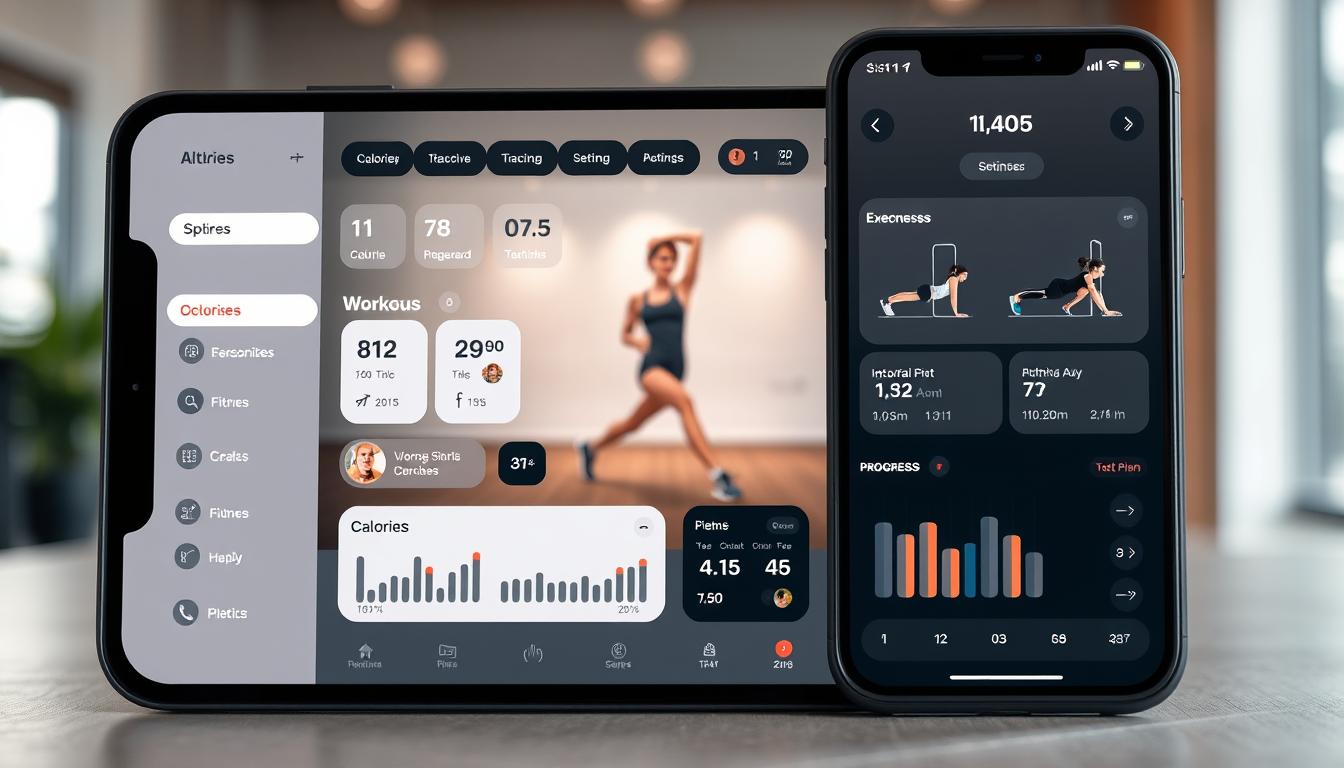
There are various ways to track your progress, including using pedometers, smartwatches, fitness apps, or keeping a physical or digital notebook to record your exercises and how they make you feel. You can choose the method that works best for your preferences and lifestyle. It’s essential to identify and monitor the right metrics beyond just weight or appearance, such as performance measures, consistency statistics, and subjective well-being.
Some effective tracking methods include:
- Using technology like fitness apps or smartwatches to monitor your daily activity and workouts.
- Keeping a journal to record your exercises, feelings, and progress.
- Tracking performance measures such as distance, speed, or the number of repetitions.
Rewarding Yourself Without Sabotaging Goals
Rewarding yourself after reaching an exercise goal can increase motivation and reinforce your fitness goals. However, it’s crucial to create meaningful reward systems that don’t undermine your progress. Instead of rewarding yourself with food or other unhealthy habits, consider treating yourself to something that aligns with your fitness goals, such as new workout gear or a massage.
Celebrating milestones and recognizing your achievements fuels continued motivation and helps you stay committed to your fitness journey. By acknowledging your progress and successes, you can stay motivated and focused on your goals.
Taking Your Fitness Journey to the Next Level
Taking your fitness to the next level requires a combination of consistent effort and strategic planning. To maintain long-term motivation, consider working with fitness professionals like personal trainers or nutritionists who can help refine your approach and break through plateaus.
Continually challenging yourself is crucial; this can be achieved through progressive overload, trying new exercise modalities, or participating in competitive events. Developing a holistic approach to fitness that integrates nutrition, recovery, stress management, and sleep optimization is also essential.
Periodization and variety are key to preventing burnout and maintaining interest over time. By embracing fitness as a lifelong journey rather than a destination, you can focus on the compounding benefits of consistent healthy habits, leading to a healthier, more balanced life.






No comment