
To achieve maximal muscle growth, it’s essential to combine a well-rounded diet with resistance training and the right supplements. A well-planned regimen can help you enhance your workout performance and accelerate recovery.
Consuming more protein than you break down is crucial for muscle development. When paired with a challenging exercise program, the right supplements can support your fitness journey and help you achieve your goals.
Our comprehensive guide will explore the most effective supplements, backed by scientific research, to help you make informed decisions and maximize your muscle growth.
Understanding the Role of Supplements in Muscle Building
Muscle building is a complex process, and supplements are just one piece of the puzzle. While it’s possible to achieve muscle growth without supplements, they can certainly help you meet your goals more efficiently.
What Supplements Can and Cannot Do
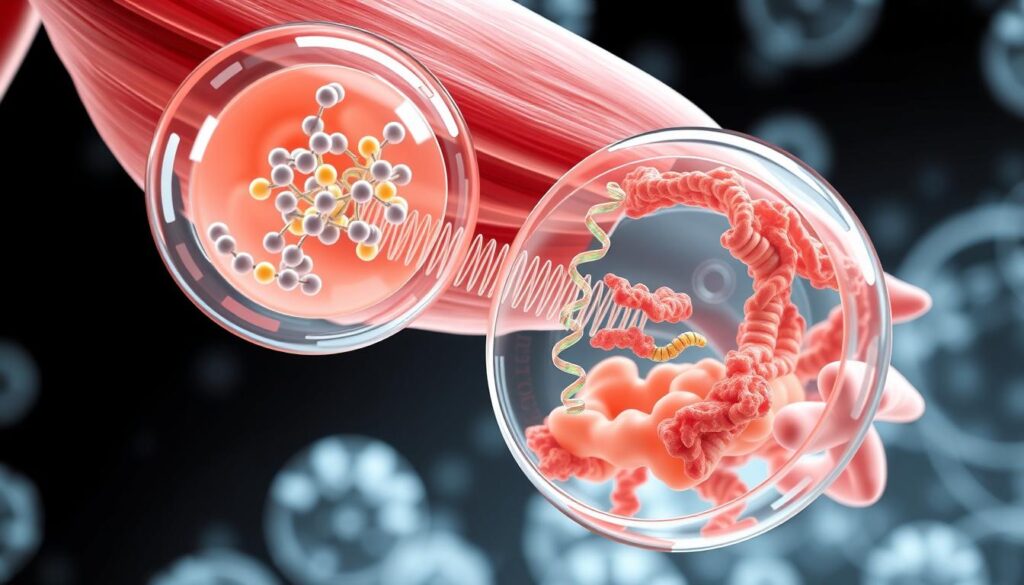
Supplements should be viewed as tools to enhance your bodybuilding efforts, not as magical solutions that work independently of proper nutrition and training. They can’t compensate for a poor diet, insufficient training, or inadequate recovery. To gain muscle, you need to eat enough calories and protein, as well as exercise, ideally with weights. Certain supplements can support muscle protein synthesis, a crucial process for muscle growth.
- Clarify realistic expectations about what supplements can achieve for your muscle building goals.
- Understand the limitations of supplements and their role in your overall bodybuilding strategy.
The Three Pillars of Muscle Growth
The three fundamental pillars of muscle growth are proper nutrition, progressive resistance training, and adequate recovery. To build muscle, you need to focus on consuming enough protein to support muscle protein synthesis. A well-balanced diet provides the necessary building blocks for muscle growth, while progressive resistance training stimulates muscle fibers to grow. Adequate recovery allows your muscles to repair and grow.
“To build muscle, you need to eat enough calories and protein, as well as exercise, ideally with weights.”
By understanding these pillars and how supplements can support them, you can create an effective muscle building strategy.
Essential Protein Supplements for Muscle Growth
The right protein supplement can significantly enhance your muscle-building efforts. Protein supplements are the cornerstone of most bodybuilding supplement regimens, providing the essential building blocks for muscle repair and growth.
Whey Protein: Fast-Acting Recovery Support
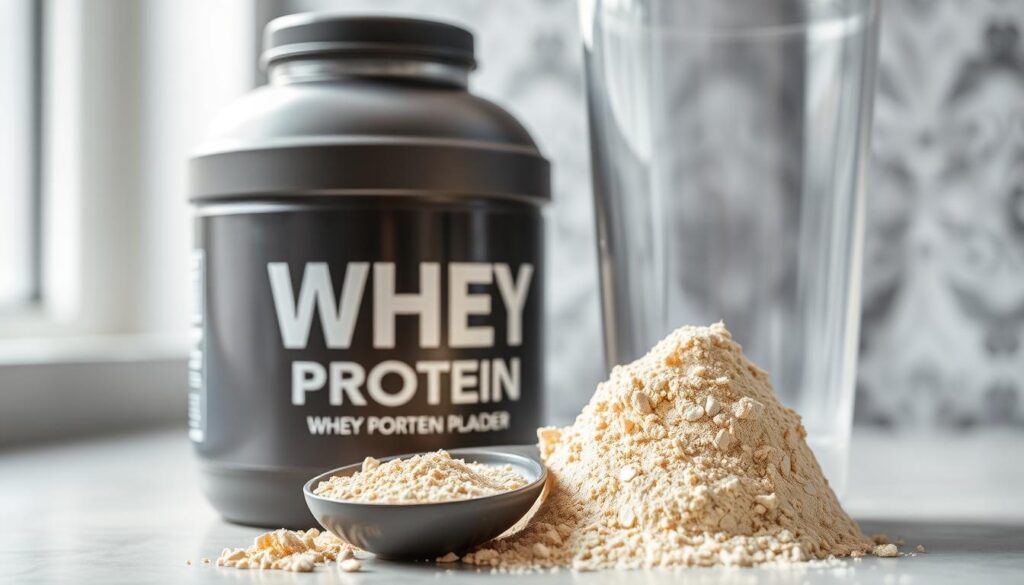
Whey protein is renowned for its rapid absorption rate and complete amino acid profile, making it ideal for post-workout consumption. It helps to stimulate protein synthesis, promoting muscle recovery and growth.
Casein Protein: Slow-Release Overnight Recovery
Casein protein has slow-digesting properties, providing a sustained release of amino acids. This makes it perfect for consumption before bedtime, helping to prevent muscle breakdown during sleep.
Plant-Based Protein Options
For vegetarians and vegans, various plant-based protein options are available, including pea, rice, and hemp protein. These alternatives offer different amino acid profiles and can be effective for muscle growth when consumed as part of a balanced diet.
Understanding the quality and bioavailability of protein is crucial. Different processing methods, such as concentrate, isolate, and hydrolysate, affect the absorption and effectiveness of protein supplements. Optimal timing strategies for protein consumption can maximize muscle protein synthesis throughout the day.
To achieve your fitness goals, consider your body weight, activity level, and specific objectives when determining your protein dosage. A well-planned protein supplement regimen can significantly support your muscle-building efforts.
Creatine: The Most Research-Backed Bodybuilding Supplement
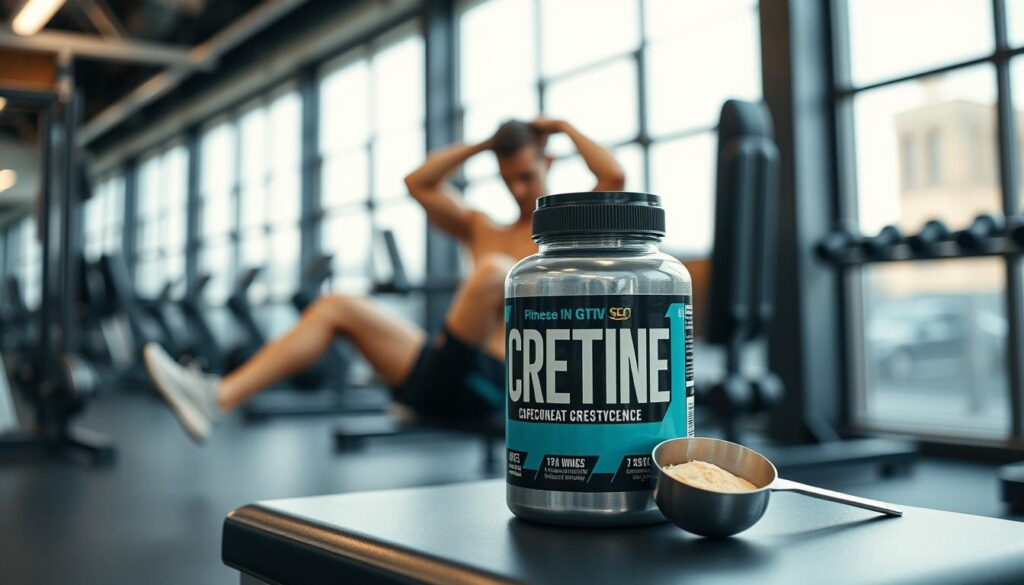
Creatine stands out as a cornerstone supplement in the bodybuilding community, backed by extensive research. It is a molecule naturally produced in your body, providing energy for your muscles and other tissues. Taking creatine as a dietary supplement can increase muscle creatine content by up to 40% beyond its normal levels.
How Creatine Works in Your Body
Creatine affects muscle cells and exercise performance, promoting muscle gain. It works by increasing phosphocreatine stores in your muscles, which helps regenerate ATP (adenosine triphosphate) for explosive strength and power during high-intensity activities. This biochemical mechanism is crucial for understanding how creatine enhances your training performance and supports your overall body fitness goals.
Dosing Protocols and Timing
There are various forms of creatine available, including monohydrate, HCL, and ethyl ester. Creatine monohydrate remains the gold standard due to its effectiveness and value. When it comes to dosing, you can follow a loading protocol or a standard maintenance dose. A typical loading phase involves taking 20 grams of creatine per day for 5-7 days, followed by a maintenance dose of 3-5 grams daily. Timing your creatine intake relative to your workouts can also impact its effectiveness, with some studies suggesting benefits to taking it before or after training sessions.
Creatine Benefits for Men vs. Women
Creatine offers benefits for both men and women, though individual responses may vary based on physiological factors. Research indicates that creatine can improve muscle strength and endurance in both genders. For men, creatine is often associated with enhanced muscle mass and power. Women may also experience improvements in muscle performance and endurance, making it a valuable supplement for female athletes as well. Understanding these benefits can help you make informed decisions about incorporating creatine into your muscle building regimen.
Amino Acid Supplements: BCAAs and EAAs

Amino acid supplements, particularly BCAAs and EAAs, play a significant role in supporting muscle growth and recovery. These supplements are designed to provide specific amino acids that are crucial for muscle protein synthesis.
Branched-Chain Amino Acids (BCAAs) consist of three essential amino acids: leucine, isoleucine, and valine. They are found in most protein sources, particularly those of animal origin. BCAAs make up around 35% of the amino acids in your muscles and are critical for muscle growth.
The Role of Leucine in Muscle Protein Synthesis
Leucine is considered the most important of the BCAAs due to its role as the primary trigger for muscle protein synthesis through the mTOR pathway. Consuming leucine-rich supplements can significantly enhance muscle protein synthesis, making it a crucial component of many bodybuilding regimens.
Research has shown that leucine activates the mTOR pathway, which regulates protein synthesis. This makes leucine a key factor in muscle growth and recovery.
When to Take Amino Acid Supplements
The timing of amino acid supplementation can significantly impact its effectiveness. Pre-workout, intra-workout, and post-workout are common times to take these supplements, as they can help reduce muscle soreness, prevent muscle breakdown, and enhance recovery.
For individuals on calorie-restricted diets or those who train in a fasted state, amino acid supplements can be particularly beneficial. They provide essential amino acids that might be lacking in the diet, supporting muscle growth and recovery.
Ultimately, whether you’re consuming BCAAs or EAAs, the key is to ensure you’re getting enough essential amino acids to support muscle protein synthesis. If you’re already consuming adequate protein from whole foods and protein supplements, you may need to assess whether additional amino acid supplements are necessary for your specific goals.
Pre-Workout Formulas for Enhanced Performance

Enhancing your exercise performance is possible with the right pre-workout supplement. Pre-workout formulas are designed to boost energy, enhance performance, and increase endurance during your training sessions. By incorporating the right ingredients, you can potentially lead to more productive exercise routines.
These supplements typically contain a blend of ingredients aimed at improving various aspects of your workout. Common components include caffeine, beta-alanine, citrulline malate, betaine, and arginine. Each of these ingredients plays a specific role in enhancing your performance and energy levels.
Key Ingredients and Their Functions
The effectiveness of a pre-workout supplement largely depends on its ingredients. Caffeine is known for increasing mental alertness and providing an energy boost, making it easier to push through challenging training sessions. Beta-alanine helps improve muscular endurance by increasing muscle carnosine levels, delaying fatigue.
Other ingredients like citrulline malate and arginine are included to enhance blood flow and improve oxygen delivery to the muscles, potentially improving exercise performance. Understanding the role of each ingredient can help you choose a pre-workout supplement that aligns with your specific training goals.
Timing Your Pre-Workout for Maximum Effect
To maximize the effectiveness of your pre-workout supplement, timing is crucial. It is generally recommended to consume your pre-workout 20-30 minutes before starting your training session. This allows the ingredients to be absorbed and start taking effect when you begin your workout.
Additionally, being mindful of how often you use pre-workout supplements can help prevent developing tolerance. Strategies such as cycling your supplement use, rotating ingredients, or taking occasional breaks can help maintain its effectiveness and ensure continued performance enhancement.
Post-Workout Recovery Supplements

The right post-workout recovery supplements can significantly enhance your muscle recovery and growth. After an intense workout, your body is in a state of heightened receptivity to nutrient uptake, making it an optimal time to provide it with the necessary building blocks for recovery.
Nutrient Timing for Optimal Recovery
Nutrient timing plays a crucial role in optimizing recovery. The concept of the “anabolic window” suggests that there’s a limited time frame after a workout when your body is most responsive to nutrient intake. Current research indicates that this window may be wider than initially thought, but consuming nutrients promptly after exercise still offers significant benefits.
Combining Carbohydrates and Protein
Combining carbohydrates and protein post-workout is a strategy that can enhance both glycogen replenishment and protein synthesis. Carbohydrates help restore energy stores, while protein provides the amino acids necessary for muscle repair and growth. This synergistic combination supports a more effective recovery process.
Post-workout recovery supplements are designed to accelerate the repair processes that occur after intense training. By providing your body with the necessary nutrients, you can potentially reduce soreness and improve your ability to train consistently. Typical ingredients in these supplements include protein, creatine, HMB, and L-glutamine, all of which help boost muscle repair and growth.
Understanding how to integrate post-workout supplements with whole food options is key to creating a comprehensive recovery protocol. Your specific nutrition needs may vary based on the type, intensity, and duration of your training, as well as your fitness goals. Optimizing recovery supplement timing based on whether you’ve trained fasted or fed, morning or evening, can also impact their effectiveness.
The Complete Bodybuilding Supplements Guide for Different Goals
Different bodybuilding goals demand distinct supplement strategies. Whether you’re aiming to bulk up, increase strength, or achieve a lean physique, your supplement regimen should be tailored to support your specific objectives.
Supplements for Muscle Mass Gain
To gain lean muscle mass, you’ll need supplements that support muscle growth and recovery. A high-quality protein powder is essential, as it provides the necessary building blocks for muscle development. Additionally, consider adding a mass gainer to your regimen, which typically includes a mix of proteins, carbohydrates, and healthy fats to help you consume more calories and support muscle growth. Creatine is another valuable supplement for muscle mass gain, as it enhances your ability to perform high-intensity workouts.
- High-calorie protein supplements
- Mass gainers
- Creatine
Supplements for Strength and Power
If your goal is to increase strength and power, you’ll want to focus on supplements that enhance your performance during high-intensity workouts. Creatine is a top choice, as it helps you lift heavier weights and push harder during strength training sessions. Another effective supplement is beta-alanine, which delays muscle fatigue and allows you to train more intensely.
- Creatine
- Beta-alanine
- Caffeine
Supplements for Cutting and Definition
During cutting phases, your goal is to preserve muscle mass while losing fat. A quality protein powder remains crucial, as it helps maintain muscle. BCAAs (Branched-Chain Amino Acids) are also beneficial, as they support muscle recovery and reduce muscle soreness. Additionally, consider carnitine, which may help with fat loss by supporting the transportation of fatty acids into the mitochondria.
- Protein powder
- BCAAs
- Carnitine
Secondary Supplements Worth Considering
Beyond the foundational supplements, several secondary compounds have shown promise in enhancing bodybuilding performance and recovery. These supplements can be particularly useful when you’re looking to address specific aspects of your training or physique.
Beta-Alanine for Endurance
Beta-alanine is an amino acid that helps reduce fatigue and may improve exercise performance by buffering lactic acid buildup. This can be particularly beneficial during high-intensity training sessions.
HMB for Muscle Preservation
HMB (beta-hydroxy beta-methylbutyrate) is a metabolite of the amino acid leucine, playing a crucial role in reducing muscle protein breakdown. It’s especially valuable during periods of caloric restriction or intense training.
Glutamine for Recovery
Glutamine is another amino acid that may support recovery and immune function, particularly during periods of high training volume or stress. Its potential benefits make it a worthwhile consideration for serious bodybuilders.
Other secondary supplements like citrulline malate, betaine, and taurine may also offer benefits for performance and recovery. When choosing secondary supplements, consider your specific training needs and goals to maximize their effectiveness.
Supplements with Limited Scientific Support
As you navigate the complex landscape of bodybuilding supplements, understanding which products lack substantial scientific support is key. While some supplements have a wealth of research backing their effectiveness, others rely on anecdotal evidence or unproven claims.
The supplement industry includes many products with bold claims but limited scientific evidence to support their effectiveness for bodybuilding purposes. Two such categories are testosterone boosters and weight gainers, which we’ll examine closely.
Testosterone Boosters: Fact vs. Fiction
Testosterone boosters often contain ingredients like Tribulus terrestris, D-aspartic acid, and fenugreek. However, research on these ingredients shows mixed results. Some studies suggest minimal impact on testosterone levels, while others indicate potential benefits under specific conditions. It’s essential to critically evaluate the marketing claims versus the actual scientific evidence.
- Be wary of exaggerated claims about testosterone boosting
- Look for supplements with ingredients backed by human studies
- Understand that individual results may vary significantly
Weight Gainers: When They Make Sense
Weight gainers are supplements designed to help you consume more calories and protein conveniently. They’re typically used by individuals who struggle to gain mass despite consuming large amounts of calories and lifting weights. While they can be beneficial for those with high caloric needs, some products are simply expensive sources of sugar and fat.
When considering a weight gainer, look for products with a balanced mix of protein, carbohydrates, and healthy fats. Be mindful of the calorie content, as some weight gainers can contain over 1,000 calories per serving.
How to Build an Effective Supplement Stack

A strategic approach to supplement stacking can significantly enhance your training outcomes. Creating an effective supplement stack involves combining different products to maximize benefits while avoiding redundancies and potential negative interactions.
To start, you’ll need to understand the basics of supplement stacking. For beginners, a foundational stack typically includes protein, creatine, and a multivitamin. These essentials provide maximum benefit with minimal complexity.
Beginner Stacks
Beginner stacks focus on the essentials, supporting overall health and muscle growth. A typical beginner stack includes a protein supplement to support muscle recovery, creatine to enhance strength, and a multivitamin to fill any nutritional gaps.
Intermediate Stacks
As you progress in your training, you can expand your supplement regimen to include targeted products. Intermediate stacks may add pre-workout formulas and BCAAs to enhance performance and recovery.
Advanced Stacks
Advanced bodybuilders can benefit from complex stacking strategies, including pre-competition protocols and off-season building phases. Advanced stacks often involve cycling certain supplements to prevent tolerance development and maintain effectiveness.
Safety Considerations and Potential Side Effects
As you navigate the realm of dietary supplements for bodybuilding, understanding potential side effects is crucial. The supplement industry is not as tightly regulated as pharmaceuticals, making safety a primary concern when selecting and using bodybuilding supplements.
Ensuring Quality through Third-Party Testing
Quality and Third-Party Testing
Choosing supplements from reputable manufacturers that employ third-party testing is vital. This process verifies product purity, potency, and freedom from contaminants. When shopping for supplements, look for products that have been tested by third-party organizations such as NSF International or the National Science Foundation.
- Verify the manufacturer’s claims through third-party testing
- Check for certifications from recognized third-party organizations
- Research the manufacturer’s reputation and history
Understanding Interactions with Medications
Interactions with Medications
It’s also crucial to be aware of potential interactions between supplements and medications. Certain supplements can interact with prescription drugs, either enhancing or diminishing their effects. Always consult with a healthcare professional before starting new supplements, especially if you have underlying health conditions or are taking medications.
- Inform your healthcare provider about all supplements you’re taking
- Be cautious with supplements that may interact with your medications
- Monitor your body’s response to new supplements
By being informed and cautious, you can minimize the risks associated with bodybuilding supplements and maximize their benefits. Always prioritize your health and safety when incorporating supplements into your fitness regimen.
Making Informed Supplement Choices for Long-Term Success
As you navigate the complex world of bodybuilding supplements, making informed choices is crucial for achieving long-term success. To support muscle growth and overall performance, it’s essential to balance scientific evidence with personal experience and individual goals.
A well-rounded approach to bodybuilding includes not just effective supplements, but also proper nutrition, progressive training, and adequate recovery. Prioritizing these fundamentals is key to achieving your muscle-building objectives.
To maintain supplement effectiveness over time, consider strategies like cycling, dosage adjustments, and periodic breaks. Regularly reassess your supplement regimen to eliminate products that aren’t delivering noticeable benefits and focus on those that provide clear value.
By adopting a personalized, evidence-based approach to supplements, you can support your unique bodybuilding goals while respecting your health, budget, and lifestyle. This approach will help you navigate the ever-changing landscape of bodybuilding supplements and achieve long-term success.



No comment