

Embarking on a keto diet can be a transformative journey towards achieving your weight loss and health goals. By drastically reducing your carbohydrate intake and increasing your fat consumption, you put your body into a metabolic state called ketosis, where it becomes efficient at burning fat for energy.
This comprehensive guide will walk you through the fundamental principles of the keto diet, explaining how it works and its potential health benefits. You’ll learn about the science behind ketosis and how to successfully implement this dietary approach in your daily life, helping you make informed decisions about your diet and overall health.
What is the Keto Diet?
For those looking to adopt a new dietary regimen, the keto diet offers a unique approach to energy production by shifting the body’s reliance from carbohydrates to fats. The ketogenic diet, or keto diet, is fundamentally a very low-carbohydrate, high-fat nutritional approach that dramatically shifts how your body produces energy.
Unlike most conventional diets that rely on carbohydrates for fuel, the keto diet severely restricts carb intake (typically to 20-50 grams per day) while emphasizing consumption of healthy fats. When you deprive your body of carbohydrates, it eventually depletes its glycogen stores and must find an alternative energy source—this is where ketosis begins.
The Science Behind Ketosis
Ketosis is a metabolic state in which your body uses fat for fuel instead of carbs. During ketosis, your liver converts fatty acids into ketone bodies or “ketones,” which serve as an efficient alternative fuel source for your brain, heart, and muscles. The science behind ketosis involves complex metabolic pathways that shift your body from being a sugar-burner to a fat-burner, potentially offering benefits beyond just weight loss.
The key to achieving ketosis is maintaining a very low-carb diet, which forces your body to adapt and use fat as its primary energy source. This metabolic shift can lead to significant changes in how your body operates, potentially resulting in improved energy levels and weight management.
Different Types of Ketogenic Diets
There are several variations of the ketogenic diet, each designed for different purposes and lifestyles. The most common types include:
- The Standard Ketogenic Diet (SKD), which consists of approximately 70% fat, 20% protein, and 10% carbs.
- The Cyclical Ketogenic Diet (CKD), which incorporates periods of higher-carb refeeds, typically 5 keto days followed by 2 higher-carb days, making it popular among athletes.
- The Targeted Ketogenic Diet (TKD), which allows for additional carbohydrates around workout times to support performance while maintaining ketosis.
- The High-Protein Ketogenic Diet, which modifies the standard approach with higher protein intake (about 35% of calories), which may be more satisfying for some individuals.
Understanding these different approaches helps you choose the variation that best aligns with your personal health goals and lifestyle needs. By adopting a keto diet, you’re not just changing what you eat; you’re potentially transforming how your body functions.
How the Keto Diet Works in Your Body
The keto diet initiates a profound change in your body’s metabolic functioning. By drastically reducing carbohydrate intake, you trigger a series of physiological responses that shift your body’s primary energy source from glucose to fat. This metabolic shift is the core of how the keto diet works in your body.
The Metabolic State of Ketosis
When you consume fewer than 50 grams of carbs daily, your body eventually depletes its glycogen stores. This typically occurs within 3 to 4 days. As glycogen stores diminish, your body faces an energy crisis and begins to break down fat for energy, entering a metabolic state known as ketosis. In ketosis, your liver converts fatty acids into ketone bodies, which serve as an alternative energy source for your brain and body.
The metabolic state of ketosis is characterized by the production of ketones, which are used by your body for energy. This process allows your body to adapt to using fat as its primary fuel source, leading to potential weight loss and other metabolic benefits.
Fat Adaptation Process
As you continue on the keto diet, your body undergoes a process called fat adaptation or keto-adaptation. During this time, your body becomes increasingly efficient at burning fat and using ketones for energy. This adaptation process can take anywhere from two weeks to several months to fully develop.
As you become fat-adapted, you may experience increased energy levels, reduced hunger, and improved mental clarity. This is because your brain and body are now efficiently using ketones for fuel, representing a significant metabolic flexibility that allows for the efficient utilization of stored body fat.
Health Benefits of the Keto Diet
The ketogenic diet is renowned for its various health benefits, extending beyond mere weight loss. By adopting this dietary approach, you can experience significant improvements in your overall health and wellbeing.
Weight Loss Benefits
The keto diet is particularly effective for weight loss, especially in the initial phases. Studies have shown that participants on a keto diet can lose up to five times more weight than those on conventional low-fat diets. This is due to several mechanisms, including reduced insulin levels, increased fat burning, and natural appetite suppression from ketones and protein.
Benefits for Type 2 Diabetes
For individuals with type 2 diabetes, the keto diet can be particularly beneficial. It can significantly improve insulin sensitivity, with some studies reporting improvements of up to 75%. This can potentially reduce or eliminate the need for certain medications. The diet helps stabilize blood sugar levels by eliminating blood glucose spikes and crashes, making it beneficial for those with insulin resistance or prediabetes.
Other Potential Health Benefits
Beyond weight loss and diabetes management, the keto diet has shown potential benefits for various other health conditions. These include neurological diseases such as Alzheimer’s and Parkinson’s, as well as cardiovascular health improvements like increased HDL cholesterol and reduced triglycerides. Additionally, the diet may benefit conditions such as polycystic ovary syndrome (PCOS) and certain inflammatory conditions.
Overall, the keto diet offers a range of health benefits, making it a valuable dietary approach for those seeking to improve their overall health and wellbeing.
Potential Risks and Side Effects
As you start your keto diet journey, it’s crucial to be aware of the potential risks and side effects that may arise. Although the ketogenic diet is generally safe for most healthy individuals, there may be some initial side effects as your body adapts to the new dietary regimen.
The “keto flu” is a common phenomenon experienced by many during the first week of starting a ketogenic diet. This collection of symptoms occurs as your body adjusts to using fat instead of carbohydrates for fuel. Common symptoms include headaches, fatigue, irritability, dizziness, muscle cramps, nausea, difficulty sleeping, and constipation or diarrhea. These symptoms typically peak within 3-5 days of starting the diet and can be minimized by gradually reducing carbohydrates, increasing water intake, and supplementing with electrolytes.
The Keto Flu and How to Manage It
To alleviate keto flu symptoms, consider incorporating bone broth, salted water, and magnesium supplements into your diet. These can help replace lost electrolytes and reduce the severity of the symptoms. It’s also essential to stay hydrated by drinking plenty of water.
- Gradually reduce carbohydrate intake to minimize shock to the system.
- Increase water intake to stay hydrated.
- Supplement with electrolytes (sodium, potassium, and magnesium) to replace lost salts.
Long-term Health Considerations
While the keto diet can be beneficial in the short term, there are potential long-term health considerations to be aware of. These include impacts on kidney function, elevated cholesterol levels, and nutritional deficiencies. It’s essential to monitor your health regularly and make adjustments as necessary to mitigate these risks.
Some individuals may experience elevated LDL cholesterol levels, which should be monitored through regular blood work. Additionally, the restrictive nature of the diet may lead to social challenges and potential disordered eating patterns in susceptible individuals.
By understanding the potential risks and side effects, you can take steps to minimize them and ensure a successful keto diet experience.
Foods to Eat on a Keto Diet
Embarking on a keto diet requires careful consideration of the foods that will fuel your body. The foundation of a successful ketogenic diet lies in understanding which foods support ketosis while providing essential nutrients for overall health.
Healthy Fats and Oils
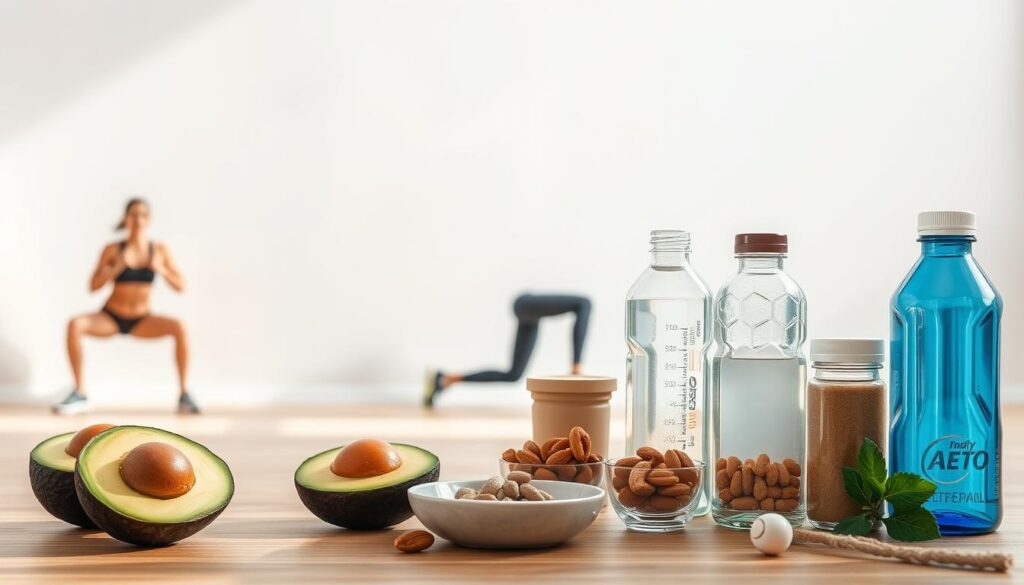
Healthy fats should comprise approximately 70-80% of your daily caloric intake on a standard ketogenic diet, making them the cornerstone of your meal planning. Excellent sources of healthy fats include extra-virgin olive oil, coconut oil, avocado oil, grass-fed butter, ghee, lard, tallow, and MCT oil. These provide the energy your body needs while in ketosis. Avocados deserve special mention as a perfect keto food, offering both healthy monounsaturated fats and essential nutrients like potassium and fiber.
Protein Sources
High-quality protein sources should make up about 15-20% of your daily calories, with emphasis on grass-fed meats, pasture-raised poultry, wild-caught fish, and eggs from free-range chickens. Fatty fish like salmon, mackerel, sardines, and herring provide both protein and omega-3 fatty acids, which help combat inflammation and support brain health.
Low-Carb Vegetables and Fruits
Low-carb vegetables are crucial for providing fiber, vitamins, minerals, and antioxidants while keeping carbohydrate intake minimal. Focus on leafy greens, cruciferous vegetables, zucchini, asparagus, and bell peppers. While most fruits are too high in carbohydrates for the keto diet, small portions of berries can fit into your carb allowance while providing antioxidants and fiber.
By focusing on these foods and maintaining a balanced intake of healthy fats, protein, and low-carb vegetables, you can successfully navigate the keto diet and achieve your health goals.
Foods to Avoid on a Keto Diet
To achieve and maintain ketosis, it’s crucial to avoid certain foods that are high in carbohydrates. Successfully maintaining ketosis requires vigilant avoidance of high-carbohydrate foods that can quickly exceed your daily carb limit and kick you out of ketosis.
High-Carb Foods to Limit
Several categories of food are typically high in carbs and should be limited or avoided on a keto diet. These include sugary foods like soda, fruit juice, smoothies, cake, ice cream, and candy. Additionally, grains and starches such as wheat-based products, rice, pasta, and cereal should be eliminated.
Other high-carb foods to avoid include most fruits, except for small portions of berries or strawberries, and legumes like beans, lentils, and chickpeas. Root vegetables and tubers such as potatoes, sweet potatoes, carrots, and parsnips are also high in carbs.
Hidden Carbs to Watch For
Beyond the obvious high-carb foods, there are several categories where hidden carbs can be found. Many condiments and sauces, such as barbecue sauce, ketchup, and sweet dressings, contain significant amounts of sugar. “Low-fat” and “diet” products often replace fat with sugar or other carbohydrates, making them unsuitable for a keto diet.
It’s also important to be cautious with alcohol, as beer and sweet mixed drinks are high in carbs, while pure spirits can still inhibit ketosis by prioritizing alcohol metabolism over fat burning. Lastly, be wary of “sugar-free” products, as they may contain sugar alcohols or other carbohydrates that can impact blood sugar and potentially interfere with ketosis.
Getting Started: Your First Week on Keto
To ensure a smooth transition into ketosis, it’s essential to be prepared for the changes that your body will undergo. The first week on a keto diet is a critical period that sets the stage for your long-term success. By focusing on preparation and understanding what to expect, you can minimize uncomfortable symptoms and stay on track.
Preparing Your Kitchen
Begin by thoroughly cleaning out your kitchen, removing high-carbohydrate foods such as grains, sugars, starchy vegetables, and processed snacks. This will help eliminate temptation during the challenging initial adaptation period. Stock your kitchen with keto-friendly staples like quality proteins, healthy fats, low-carb vegetables, full-fat dairy products, nuts, seeds, and appropriate condiments and seasonings. Familiarize yourself with food labels, checking the grams of fat, carbs, and fiber to determine how your favorite foods can fit into your diet.
Tracking Macros and Ketosis
Tracking your macronutrients is essential during the first weeks of a keto diet. Use a food tracking app to ensure you’re staying within your carbohydrate limit while consuming adequate protein and fat. Many people find it helpful to monitor ketosis using urine strips, blood ketone meters, or breath analyzers to confirm they’ve successfully entered ketosis and understand how different foods affect their ketone levels.
Managing Initial Side Effects
Common initial side effects of a keto diet include headaches, fatigue, irritability, dizziness, and digestive issues. These symptoms typically peak around days 3-5 as your body adapts to using ketones for fuel. To minimize these effects, consider easing into ketosis by gradually reducing carbohydrates over several days. Increase your water intake to 2-3 liters daily and supplement with electrolytes to combat dehydration and mineral imbalances. Remember, these adaptation symptoms are temporary and typically resolve within 1-2 weeks.
Creating Your Keto Meal Plan
Your keto journey begins with a well-planned meal strategy that fits your lifestyle and nutritional needs. A successful keto diet requires understanding your specific nutritional requirements and developing strategies that work with your preferences.
Calculating Your Macros
Calculating your macronutrient targets is the first step in creating a keto meal plan. Most people on a standard ketogenic diet aim for 70-75% of calories from fat, 20-25% from protein, and 5-10% from carbohydrates. You can use an online keto calculator to determine your specific macronutrient needs based on your age, gender, weight, height, activity level, and weight management goals.
- Limit carbohydrates to 20-50 grams per day for effective ketosis.
- Maintain moderate protein intake—typically 0.6-1.0 grams per pound of lean body mass.
- Ensure sufficient fat intake to satisfy hunger and provide energy.
Meal Prepping Strategies
Meal prepping is particularly valuable on a ketogenic diet to ensure you always have compliant options available. Effective keto meal prep strategies include:
- Batch cooking proteins like chicken, beef, or fish.
- Preparing versatile fat sources such as compound butters or dressings.
- Having ready-to-eat low-carb vegetables on hand.

Staying Hydrated and Balanced
Hydration becomes even more critical on a ketogenic diet due to increased water loss. Aim for at least 2-3 liters of water daily and consider adding electrolytes to prevent imbalances. Balance your diet by incorporating a variety of foods within your macronutrient targets to ensure adequate micronutrient intake. Focus on nutrient-dense options like organ meats, seafood, eggs, and colorful low-carb vegetables.
By following these guidelines, you can create a sustainable keto meal plan that supports your health and weight loss goals.
A 7-Day Keto Diet Meal Plan for Beginners
For those new to the keto diet, a 7-day meal plan can simplify the transition. Having a structured meal plan during your first week on keto can ensure you’re maintaining appropriate macronutrient ratios while enjoying satisfying meals.
Breakfast Options
Keto-friendly breakfast options focus on eggs, healthy fats, and low-carb vegetables. You can try egg muffins with spinach and cheese, avocado and bacon omelets, or chia pudding made with full-fat coconut milk. Another popular option is bulletproof coffee, which is coffee blended with grass-fed butter and MCT oil, providing morning energy without breaking the fast with protein.
Lunch and Dinner Ideas
For lunch, focus on protein-centered meals with healthy fats and non-starchy vegetables. Examples include chef salads with full-fat dressing, lettuce wraps with ground beef or turkey, and tuna salad with avocado. Dinner options should include a quality protein source, a serving of low-carb vegetables, and added fats. Popular keto dinner recipes include zucchini noodles with alfredo sauce and grilled chicken, cauliflower rice stir-fry with shrimp, and baked salmon with asparagus and hollandaise sauce.
Incorporating casseroles and one-pan meals into your weekly rotation can simplify meal preparation. Try taco casserole, loaded cauliflower bake, or sheet pan fajitas with bell peppers and onions.
Snacks and Desserts
Keto-friendly snacks can help prevent hunger between meals and provide additional fat to meet your macronutrient targets. Options include cheese cubes, olives, half an avocado, or celery with cream cheese. Simple keto desserts can satisfy sweet cravings without breaking ketosis. Try whipped heavy cream with a few berries, chocolate fat bombs made with coconut oil and cocoa powder, or commercial keto ice creams in moderation.
Remember to adjust portion sizes based on your personal macronutrient targets and hunger levels. The sample meal plan provided is just a framework, and your individual needs may require modifications.
Keto-Friendly Snacks and On-the-Go Options
The key to success on the keto diet lies in knowing what to snack on when hunger strikes. Having a repertoire of keto-friendly snacks is essential for maintaining your diet when you’re away from home or need a quick energy boost.
Quick and Easy Snack Ideas
Preparing quick and easy homemade snack ideas requires minimal preparation while keeping you in ketosis. Some excellent options include hard-boiled eggs, cheese slices, olives, and celery with almond butter. You can also make fat bombs—small, energy-dense treats made primarily from healthy fats like coconut oil, butter, or avocado.
- Hard-boiled eggs
- Cheese slices
- Olives
- Celery with almond butter
- Fat bombs
Store-Bought Keto Snacks
The market for commercially prepared keto snacks has expanded dramatically, offering convenient options for busy lifestyles. When selecting store-bought keto snacks, carefully read nutrition labels to verify carbohydrate content and watch for hidden sugars or starches. Look for products specifically labeled as keto-friendly with appropriate macronutrient ratios.
- Beef jerky
- Keto-specific protein bars
- Nut butter packets
- Coconut chips
- Seaweed snacks
By combining these quick and easy snack ideas with store-bought keto snacks, you can maintain your diet with ease and enjoy a variety of delicious options.
Eating Out While Following a Keto Diet
Staying keto while dining out is easier than you think, with a few key tips and tricks. When you’re on a keto diet, eating out can be challenging, but it’s not impossible. With some planning and knowledge of what to order, you can enjoy restaurant meals without compromising your diet.
Restaurant Strategies
To maintain ketosis while dining out, it’s crucial to navigate menus strategically. Before choosing a restaurant, review their menu online to identify keto-friendly options and plan your order in advance. This helps reduce the temptation to make impulsive, non-compliant choices when you’re hungry.
- Opt for protein-centered entrées like steaks, grilled fish, or roasted chicken.
- Request that starches be replaced with extra non-starchy vegetables or a side salad with olive oil and vinegar.
- Be specific about preparation methods, asking for foods to be cooked in butter or olive oil.
Fast food restaurants can also be keto-friendly if you know what to order. Bunless burgers, grilled chicken salads with full-fat dressing, or unbreaded buffalo wings are widely available options.
Social Situations and Special Occasions
Social situations and special occasions present unique challenges for those on a keto diet. Consider eating a small keto-friendly meal before attending events where food choices may be limited. This allows you to focus on socializing rather than hunger.
- When attending dinner parties, offer to bring a dish that’s both keto-friendly and appealing to others.
- For special celebrations, research keto-friendly restaurants that offer premium protein options.
- Be prepared to briefly explain your dietary choices if questioned, but avoid lengthy discussions.
By being prepared and making informed choices, you can enjoy social gatherings and special occasions while staying true to your keto diet.
Supplements for the Keto Diet
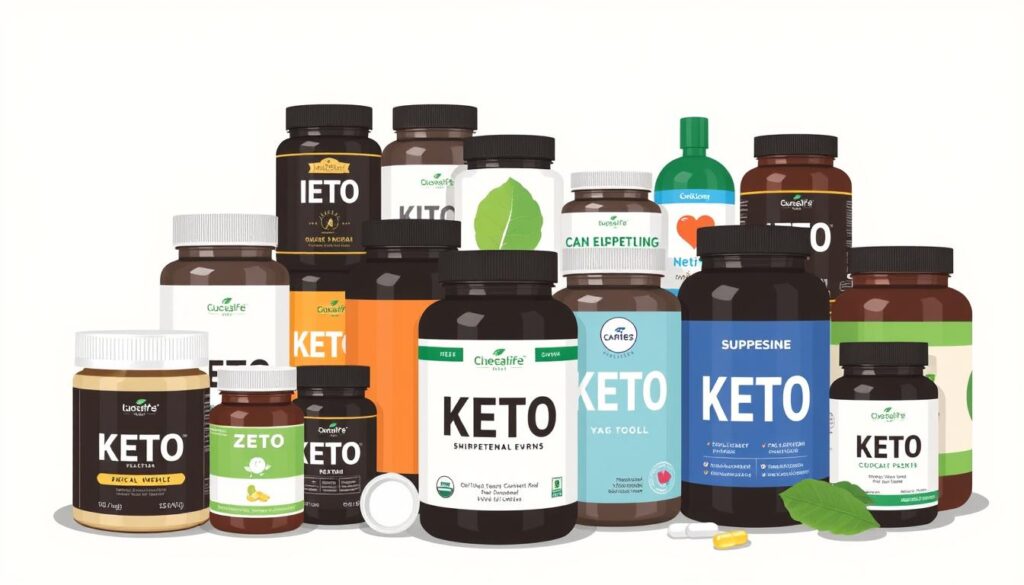
Although a well-formulated ketogenic diet provides most essential nutrients, some supplements can be beneficial. When transitioning to a keto diet, your body may need additional support to manage potential side effects and optimize results.
Essential Supplements to Consider
Certain supplements are crucial for mitigating common issues associated with the keto diet. Electrolyte supplementation is vital due to the increased urination during ketosis, which can lead to a drop in sodium, potassium, and magnesium levels. Symptoms like muscle cramps, headaches, and fatigue can be alleviated with magnesium supplementation (200-400mg daily). Additionally, MCT oil can provide readily available fatty acids that are quickly converted to ketones, potentially accelerating ketosis.
Optional Supplements for Enhanced Results
Other supplements can further enhance your keto experience. Exogenous ketones can temporarily raise blood ketone levels, reducing keto flu symptoms. Vitamin D supplementation is beneficial, especially if you’re not consuming fortified foods. Omega-3 fatty acids can help balance your omega-6 to omega-3 ratio. For those combining keto with exercise, creatine monohydrate can improve high-intensity performance. Always consult with a healthcare provider before starting any supplement regimen.
Combining Keto with Exercise
When you combine a ketogenic diet with exercise, you can potentially enhance your body composition and overall health benefits. However, it’s crucial to understand how ketosis affects different types of physical activity to maximize the advantages and minimize potential drawbacks.
Athletic Performance on Keto
The impact of a keto diet on athletic performance is a subject of ongoing research. Some studies suggest that while the keto diet may help endurance athletes during training by improving muscle-to-fat ratio and increasing oxygen utilization, it may not be ideal for peak performance. Most research indicates that the keto diet can impair athletic performance, particularly in activities that require quick bursts of energy.
Initial Adaptation Period: During the initial adaptation period, typically lasting 4-6 weeks, most individuals experience a temporary decrease in exercise performance as their bodies adapt to using fat and ketones for fuel instead of glycogen.
Optimal Exercises for Keto Dieters
Low to moderate-intensity aerobic exercises, such as walking, light jogging, cycling, or swimming, are generally well-tolerated on a ketogenic diet. Strength training with moderate weights and longer rest periods between sets can also be effectively maintained while supporting muscle preservation during weight loss.
For those concerned about maintaining muscle mass, ensuring adequate protein intake and incorporating resistance training at least 2-3 times per week is essential. Some athletes also benefit from a targeted ketogenic approach, consuming a small amount of fast-acting carbohydrates before high-intensity training sessions.
Troubleshooting Common Keto Challenges
The keto diet, while effective, comes with its own set of challenges that require troubleshooting for optimal results. As you navigate your keto journey, understanding these common obstacles and their solutions can help you maintain long-term success.
Breaking Through Weight Loss Plateaus
Weight loss plateaus are a common challenge for many keto dieters. To overcome this, first ensure you’re not experiencing “carb creep” by tracking your intake meticulously. Hidden carbs in sauces, vegetables, and processed “keto” products can accumulate unnoticed.
- Reassess your calorie intake if weight loss has stalled for more than 3-4 weeks.
- Consider incorporating intermittent fasting to stimulate autophagy and fat burning.
- Try compressing your eating window to 8 hours daily or implementing one 24-hour fast weekly.
Managing Digestive Issues
Digestive issues like constipation, diarrhea, or general discomfort are common during keto adaptation. To manage these issues, consider the following strategies:
- Gradually increase fiber intake from low-carb vegetables and stay well-hydrated to address constipation.
- Supplement with magnesium citrate and potentially add a psyllium husk supplement.
- For diarrhea, try eating smaller, more frequent meals and introduce fats gradually.
By understanding and addressing these common keto challenges, you can optimize your diet for better results and a more sustainable lifestyle.
Your Long-Term Success on the Keto Diet
Long-term keto diet success is not just about the food you eat, but also about how you integrate this diet into your overall lifestyle. As you continue on your keto journey, it’s essential to develop sustainable habits and understand how to navigate various life situations.
You can consider your long-term relationship with the ketogenic diet—some people thrive on strict keto indefinitely, while others benefit from a cyclical approach or transitioning to a less restrictive low-carb diet after achieving their initial goals. Regular health monitoring is also crucial, including comprehensive blood work every 6-12 months to track lipid profiles and other health indicators.
By focusing on food quality and nutrient density, you can ensure micronutrient adequacy. Additionally, combining your keto diet with intermittent fasting may provide additional health benefits and simplify meal planning. Listening to your body’s signals and being willing to make adjustments as needed is also vital for long-term success.






No comment