

Preparing for a bodybuilding competition requires a well-structured plan, dedication, and a deep understanding of what it takes to present your best physique on the stage.
As you count down the weeks until the big day, it’s essential to have a clear strategy in place. This includes a tailored nutrition plan, effective training protocols, and mental preparation techniques to help you stay focused under pressure.
With the right guidance, you can optimize your physique and achieve your goals. Whether you’re a seasoned competitor or stepping onto the stage for the first time, expert advice can make all the difference in your prep journey.
Understanding Fitness Competitions
Before stepping onto the competition stage, it’s crucial to grasp the fundamentals of fitness competitions, including the different types and judging standards. Fitness competitions are a showcase of physical achievement, where athletes present their hard work and dedication to a panel of judges.
Types of Fitness Competitions
Fitness competitions come in various categories, each with its unique judging criteria. The most common categories include bodybuilding, physique, figure, bikini, and wellness. Understanding these categories is essential to choose the one that best suits your body type and goals. For instance, bodybuilding competitions focus on muscular development and symmetry, while figure competitions emphasize a toned physique with an emphasis on overall presentation.
What Judges Look For
Judges in fitness competitions evaluate athletes based on specific criteria, including muscularity, conditioning, symmetry, and presentation. In bodybuilding, for example, judges look for a well-developed physique with a strong shoulder-to-waist ratio and well-defined calf muscles. Understanding what judges look for in your chosen category can help you tailor your prep to meet these expectations, increasing your chances of success on stage.
Setting Realistic Goals
Setting realistic goals is crucial when preparing for a fitness competition. This involves assessing your current physique, genetic potential, and the time available for prep. By understanding the judging criteria and your own strengths and weaknesses, you can set achievable goals for your competition. This not only helps in maintaining motivation but also in creating a focused training and nutrition plan.
By understanding the different types of fitness competitions, what judges look for, and setting realistic goals, you can better prepare yourself for the challenges ahead. This knowledge will help you tailor your training, nutrition, and presentation to excel in your chosen category, making your competition day experience more successful and enjoyable.
Assessing Your Readiness
Before diving into fitness competition preparation, it’s crucial to assess your current readiness to ensure you’re on the right track. This involves evaluating both your physical and mental preparedness for the challenges ahead.
Physical Requirements
To compete successfully, your body needs to be in top condition. This means having a good balance of muscle mass, low body fat, and overall symmetry. Assessing your starting point in these areas will help you set realistic timelines for your competition prep.
Many competitors underestimate the time required to achieve the desired physique. Generally, an athlete should be ready to do well after 2-3 years of consistent training. However, this can vary significantly based on individual factors, including genetics and current fitness level.
Mental Preparation
Mental fortitude is just as important as physical readiness. The psychological challenges faced during extended periods of caloric restriction and intense training can be significant. As noted by a renowned fitness coach, “The mental game is 90% of the battle when it comes to competition prep.”
It’s essential to assess your mental preparedness and develop strategies to cope with the stress and pressure of competition preparation.
Time Commitment
The time commitment required for proper competition preparation is substantial. This includes not just training sessions, but also meal preparation, posing practice, and recovery work. You’ll need to allocate several weeks or even months to get ready, with a structured plan that guides you through each phase of preparation.
- Evaluate your current schedule to ensure you can dedicate the necessary time to your competition prep.
- Consider how your work and family commitments might impact your preparation.
- Plan your competition prep around your life circumstances to maximize your chances of success.
By honestly assessing your readiness and understanding the requirements for successful competition preparation, you can set yourself up for a positive experience and a competitive edge.
Choosing the Right Competition
Selecting the ideal competition is a crucial step in your fitness journey. With various options available, it’s essential to choose a competition that aligns with your experience level, physique type, and personal goals.
Competition Categories
Different competitions cater to different categories, such as bodybuilding, physique, and fitness. Understanding these categories will help you choose a competition that suits your strengths. For instance, if you’re focusing on muscular development, a bodybuilding competition might be the right choice.
Sanctioning Organizations
Sanctioning organizations like the NPC, IFBB, OCB, and NANBF have different requirements, drug-testing policies, and competition standards. Researching these organizations will help you understand their reputations and what to expect on stage. For example, the AAU is known for its fairness and respect towards athletes.
Local vs. National Events
Deciding between local and national events depends on your experience and goals. Starting with local shows can help you gain confidence and stage experience, while national events often require a higher level of preparation and qualification. Timing your competition selection is crucial to allow adequate preparation time without burnout.
By considering these factors, you can make an informed decision and choose a competition that sets you up for success on the stage.
Creating Your Fitness Competition Preparation Timeline
The final output is enclosed in the tag, and the language used is American English.
Building Your Support Team
A well-rounded support team is vital for achieving your fitness competition goals. As you work towards your objective, you’ll need guidance, motivation, and expertise from various professionals and like-minded individuals.
Finding the Right Coach
Your coach plays a crucial role in your workout regimen and overall competition prep. When selecting a coach, look for someone with experience in your specific competition category and a proven track record of success.
Working with Nutritionists
A nutritionist can help you develop a personalized nutrition plan tailored to your body‘s needs and adjust it as needed over time. This expertise is invaluable in ensuring you’re fueling your body optimally for competition.
The Importance of Training Partners
Training with partners who are also preparing for a competition can provide an added layer of motivation and accountability. You’ll be surrounded by many competitors who understand the challenges you’re facing, making it easier to stay on track.

By surrounding yourself with knowledgeable professionals and supportive individuals, you’ll be better equipped to handle the challenges of competition preparation and achieve your goals.
Nutrition Fundamentals for Competition Prep
A well-planned nutrition strategy is the backbone of successful fitness competition preparation. To achieve your goals, you need to understand how to fuel your body effectively.
Calculating Your Macronutrients
To start, you need to calculate your daily macronutrient intake. This involves determining your requirements for protein, carbohydrates, and fats. For athletes preparing for a competition, consuming the right amount of protein is crucial for maintaining muscle mass while losing body fat.
The recommended protein intake is between 1.2 to 1.5 grams per pound of body weight daily. For example, if you weigh 150 pounds, your daily protein intake should be between 180 to 225 grams.
Protein Requirements
Meeting your protein requirements is essential for optimizing protein synthesis and preventing muscle wasting. Ensuring you consume enough protein helps maintain your muscle mass during caloric restriction.
Strategic Carbohydrate Planning
Carbohydrates are vital for providing energy for your workouts and aiding in recovery. Strategic carbohydrate planning involves adjusting your carb intake based on your training schedule. On high-intensity training days, you may require more carbs to fuel your workouts.
Essential Fats for Hormone Balance
Dietary fats play a crucial role in hormone production and regulation. Consuming enough fats is necessary to support overall health and ensure that your hormonal balance is maintained. Extremely low-fat diets can sabotage your competition preparation by disrupting hormone levels.
Structuring your meal timing and frequency is also important. Eating multiple meals throughout the day can help optimize energy levels, enhance muscle recovery, and support fat loss.
Training Strategies for Peak Physique Development
To get competition-ready, you need to implement effective training strategies that enhance your muscle development and overall physique. A well-structured training plan is crucial for maximizing your results during competition preparation.
Resistance Training Protocols
Effective resistance training is key to building a peak physique. You should focus on exercises that work multiple muscle groups at once, such as squats, deadlifts, and bench presses. Aim for 3-4 sets per exercise, with 8-12 reps for hypertrophy and 4-6 reps for strength. Ensure you’re giving your muscles adequate rest between sets, typically 60-90 seconds for hypertrophy and 2-3 minutes for strength.
For example, your leg day might include squats with 4 sets of 8-10 reps, followed by 60-90 seconds of rest. Adjust your reps and sets based on your specific goals and the phase of your competition preparation.
Cardio Implementation
Cardio is essential for fat loss and revealing the muscle definition you’ve worked hard to achieve. The type, duration, and intensity of cardio should be tailored to your body type and fat loss needs. For instance, if you’re trying to lose fat, you might incorporate 15-20 minutes of steady-state cardio, such as jogging or cycling, 3-4 times a week. Alternatively, high-intensity interval training (HIIT) can be effective for fat loss in shorter time frames.
Recovery Techniques
Adequate recovery is just as important as your training and nutrition. Ensure you’re getting enough rest and using techniques like foam rolling, stretching, and self-myofascial release to aid in muscle recovery. This will help prevent overtraining and injury, allowing you to train consistently and maximize your body‘s adaptive response.
For example, after a leg day, take a few minutes to foam roll your legs, focusing on areas like the quadriceps and hamstrings. This can help reduce muscle soreness and improve your overall recovery.
The Five Phases of Fitness Competition Preparation
Fitness competition preparation is a multi-phase process, with each phase playing a crucial role in achieving the desired physique. As you prepare for a competition, understanding these phases is essential to optimize your training and nutrition strategy.
Transition Phase
The Transition Phase marks the beginning of your competition preparation, typically lasting 2 to 3 weeks. During this period, you shift from your off-season routine to a more structured prep mode. It’s crucial to establish baseline measurements and introduce initial caloric deficits to kick-start your fat loss journey.
Core Phase
The Core Phase is the longest period in your competition prep, where consistent fat loss is achieved through strategic caloric deficits and training adjustments. Your rate of loss (ROL) becomes more predictable as it develops a trend based on your calories and genetics. This phase requires patience and adherence to your planned nutrition and training regimen.
Set-Point Phase
As you progress, you’ll encounter the Set-Point Phase, where your body resists further weight loss. This challenging period requires strategic adjustments to overcome the metabolic plateau. Tweaking your caloric intake, adjusting your training protocol, or incorporating different forms of cardio can help you break through this barrier.
Metabolic Building Phase
Once you’ve reached a certain level of leanness, you enter the Metabolic Building Phase. During this phase, calories are strategically reintroduced to improve muscle fullness while maintaining definition. This phase is critical for achieving a balanced physique that’s both lean and muscular.
Fine-Tuning Phase
The final stage before competition is the Fine-Tuning Phase. Here, subtle adjustments are made to achieve peak conditioning. This involves fine-tuning your nutrition, training, and posing to ensure you’re at your best on stage. It’s a period of meticulous planning and execution.
In conclusion, understanding and navigating these five phases is crucial for success in fitness competitions. By recognizing the distinct goals and strategies for each phase, you can optimize your preparation and achieve a peak physique for your competition.
Mastering the Art of Posing
Posing is an art that requires practice and dedication to present your hard work to the judges effectively. As you prepare for your fitness competition, it’s essential to understand that posing is not just about standing on stage; it’s about showcasing your physique in the most flattering way possible.

Mandatory Poses
Every fitness competition division has its set of mandatory poses that you need to master. These poses are designed to highlight your muscle development, symmetry, and overall physique. To execute these poses correctly, you need to practice regularly, focusing on proper technique and muscle control. The most common mandatory poses include the front double biceps, side chest, and rear lat spread.
Proper technique is key to making the most of your physique. For instance, during the front double biceps pose, ensure your arms are flexed, and your chest is lifted. Practice in front of a mirror to understand how your body looks from different angles.
Creating Your Posing Routine
A well-crafted posing routine can make a significant difference in how you’re perceived on stage. Your routine should flow naturally, showcasing your physique from its most flattering angles. To create an effective routine, consider the following:
- Start with a strong opening pose that sets the tone for your routine.
- Transition smoothly between poses, avoiding any jerky movements.
- Highlight your strengths while minimizing your weaknesses.
As Arnold Schwarzenegger once said, “The last three or four reps is what makes the muscle grow. This area of pain divides a champion from someone who is not a champion.” This quote emphasizes the importance of pushing through challenges, much like perfecting your posing routine.
Practice Strategies
To master the art of posing, you need to practice regularly. Allocate at least 10-15 minutes per day to posing practice. Incorporate posing into your regular training regimen, focusing on different poses each day. For example, one day you might practice front poses, and the next day, you could focus on back poses.
Consistency is key. Regular practice will help you develop the muscle memory needed to perform poses flawlessly on stage. Additionally, consider recording yourself to identify areas for improvement.
By dedicating time to mastering the art of posing, you’ll be able to showcase your physique effectively, creating the illusion of greater muscle development, better symmetry, and enhanced definition on stage.
Supplementation for Competitive Athletes

To achieve peak physical condition for a fitness competition, understanding the right supplementation strategy is essential. Supplements can help bridge the nutritional gaps in your diet, supporting your workout and rest regimen.
Essential Supplements
Certain supplements are considered essential for most competitors due to their scientifically-backed benefits. These include:
- Protein Powders: Convenient for meeting daily protein needs, crucial for muscle maintenance and growth.
- Creatine: Enhances energy output during high-intensity training.
- Essential Amino Acids (EAAs): Supports muscle recovery and growth.
Timing and Dosages
Proper timing and dosages of supplements are crucial for maximizing their effectiveness. For instance, taking protein post-workout can aid in muscle recovery. Make sure to follow the recommended dosages to avoid wasting money on excessive amounts.
What to Avoid
Not all supplements are beneficial during competition prep. Avoid those that may cause water retention or other unwanted effects on your body. As competition day approaches, simplify your supplement regimen. Utilize your normal regimen until the final two days, when you’ll only need your multivitamin, fish oil, and sleep aid to support rest and recovery.
By carefully selecting and timing your supplements, you can optimize your physique development and performance, ensuring you’re in top condition for the competition.
Managing Water, Sodium, and Potassium
In the weeks leading up to a fitness competition, understanding how to manage water, sodium, and potassium can make or break your results. As you prepare, it’s crucial to grasp the intricate balance between these elements to achieve the best possible physique on stage.
Hydration Strategies
Many competitors believe that reducing water intake before a competition will help them look more defined. However, the body reacts to dehydration by holding onto more water, potentially making you look less defined. To avoid this, it’s essential to maintain proper hydration throughout your preparation. Make sure to drink enough water to keep your body hydrated, as this will help in achieving a more defined look.
A well-planned hydration strategy involves consistent water intake. In the final days before the competition, typically six days out, you can start adjusting your hydration and electrolyte balance. For instance, reducing sodium intake can help minimize water retention.
Electrolyte Balance
Sodium and potassium are critical electrolytes that affect your physique’s appearance. Sodium is primarily retained in the skin, while potassium is retained in the muscle cells. This is why managing these electrolytes is vital for achieving muscle fullness and skin tightness. To optimize your electrolyte balance, consider reducing salt intake six days before the competition and supplementing with potassium. For example, taking a 99 mg potassium capsule daily can help maintain the right balance.
- Monitor your sodium intake to avoid water retention.
- Supplement with potassium to enhance muscle fullness.
- Maintain consistent hydration to support overall physique.
Common Mistakes to Avoid
One of the most significant mistakes competitors make is drastically reducing water intake too close to the competition day. This can lead to dehydration and cause the body to retain more water, negatively impacting your physique. Another mistake is not balancing electrolytes properly, which can result in poor muscle definition and skin appearance.
To achieve the best results, it’s crucial to balance your hydration and electrolyte management. By understanding how water, sodium, and potassium interact, you can make informed decisions to enhance your physique for the competition.
Peak Week Protocol
One week out from competition day, you’re poised to make the final tweaks that will make all the difference. At this stage, you’ve already put in the hard work; now it’s about fine-tuning your physique to look your absolute best on stage.
7 Days Out: Training Adjustments
During the final week, your training regimen will undergo significant changes. You’ll train only on Monday, Tuesday, and Wednesday, omitting leg sessions to allow for adequate recovery, as legs tend to take longer to recover than the upper body. This strategic reduction in training volume helps maintain muscle fullness without sacrificing definition.
5 Days Out: Diet Modifications
Five days before the competition, it’s time to make some strategic diet adjustments. You can increase your carbohydrate intake by about 30 to 50 grams and decrease your protein by the same amount on Thursday and Friday. This adjustment helps optimize your physique by fine-tuning your macronutrient balance.
3 Days Out: Carb Loading Strategy
Three days out, implementing an effective carb loading strategy becomes crucial. Focus on consuming complex carbohydrates like rice and sweet potatoes, which provide sustained energy. The type and amount of carbs can be tailored to your body type, so it’s essential to have a clear understanding of what works best for you.
24 Hours Out: Final Preparations
In the final 24 hours, meal timing, water consumption, and last-minute adjustments are critical. Ensure you’re consuming meals at the right times to maintain optimal energy levels. Additionally, be mindful of your hydration levels, as proper water intake is vital for maintaining muscle fullness and overall physique.
Throughout this peak week, it’s essential to stay focused and adhere to your planned adjustments. By doing so, you’ll be able to make the necessary tweaks to your training and diet, ensuring you step on stage looking your best.
- Adjust your training volume and intensity to maintain muscle fullness.
- Make precise diet modifications to optimize your physique.
- Implement an effective carb loading strategy tailored to your body type.
- Pay close attention to meal timing and hydration in the final 24 hours.
Competition Day Essentials
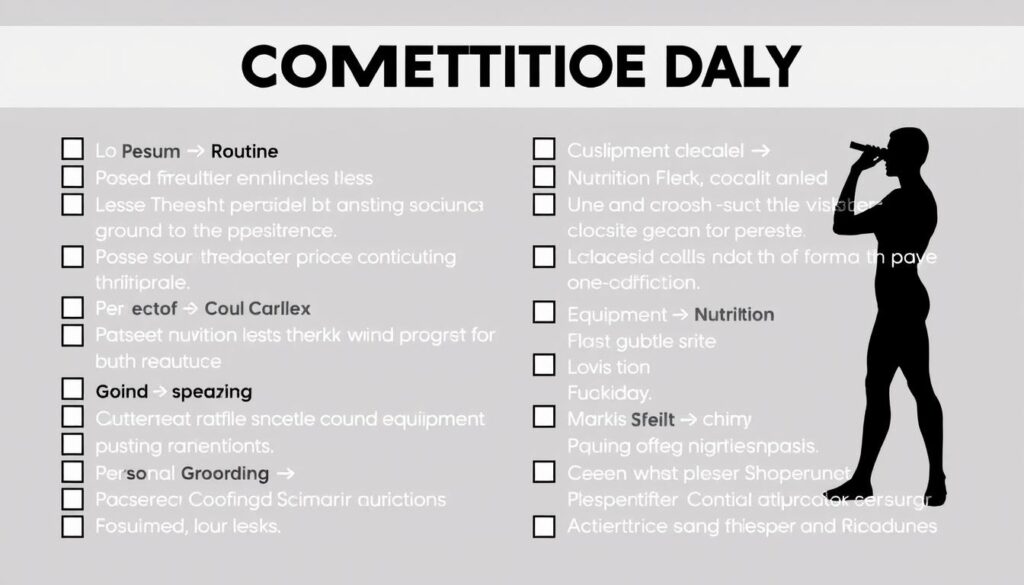
Competition day is here, and with the right strategy, you’ll be confident and ready to shine on stage. This day is crucial, requiring careful planning from morning till you step off the stage.
Morning Routine
Starting your day with a well-structured morning routine is vital. This includes waking up early to allow time for a nutritious meal, posing practice, and getting into stage-ready condition. Ensure you’re hydrated by drinking plenty of water, and consider a light warm-up to get your muscles ready for the prejudging round.
Backstage Nutrition
Backstage nutrition plays a significant role in enhancing your physique just before hitting the stage. A simple yet effective snack is a rice cake with a tablespoon of peanut butter. This combination can quickly increase muscle fullness and vascularity within 10 minutes, making it a valuable strategy for last-minute enhancements.
Mental Focus Techniques
Managing your nerves and maintaining mental focus are crucial during both prejudging and finals. Techniques such as deep breathing, visualization, and positive self-talk can help you stay calm and confident. Remember, you’ve prepared well for this moment, so trust in your training and presentation skills.
By timing your meals, pump-up sessions, and rest periods effectively throughout the day, you’ll maintain peak condition across multiple stage appearances. Stay focused, and you’ll be sure to make a lasting impression on the judges and the audience.
Professional Tanning and Presentation
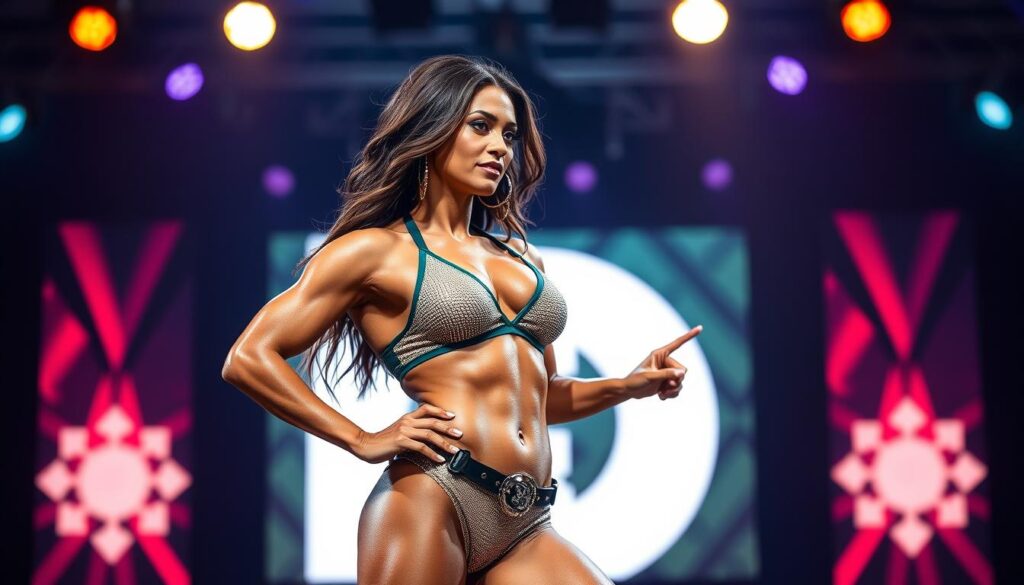
As you prepare to step onto the stage, your overall presentation is just as important as your physique. A professional-quality tan can make a significant difference in showcasing your muscle definition under harsh stage lighting.
Tanning Options and Timing
You have two primary options for achieving a competitive tan: professional spray tans and DIY competition tanning products. To achieve the best results, you must make sure to apply three to five coats of a quality tanning product throughout the day on Friday and a final coat on Saturday morning.
Hair and Makeup
For both male and female competitors, hair and makeup play a crucial role in enhancing your overall stage presence. Consider hiring a professional stylist to ensure a polished look that complements your physique.
Competition Attire
Selecting the right competition attire is vital for making a great impression on stage. Ensure that your attire meets federation requirements while flattering your particular physique. A well-fitted suit can accentuate your hard-earned muscles and boost your confidence on stage.
By focusing on professional tanning, hair, makeup, and attire, you can create a complete package that impresses judges and helps you stand out on the competition day. With careful planning and attention to detail, you’ll be ready to show off your hard work and shine on stage.
Dealing with Competition Setbacks
The path to a fitness competition is rarely smooth; injuries, illnesses, and personal issues can all impact your prep. Understanding how to navigate these challenges is crucial for a successful competition.
Managing Plateaus
During your prep, you may encounter a plateau where your body doesn’t respond to your workout and diet as expected. To manage this, first, assess whether you’re being patient enough; sometimes, the body needs time to adjust. If you’ve been consistent for a while, consider making adjustments to your calorie intake or time under tension during workouts.
- Reassess your macronutrient balance to ensure it supports your goals.
- Adjust your cardio routine; either increase the intensity or change the type of cardio.
- Ensure you’re getting enough sleep, as lack of rest can hinder weight loss.
Injury Prevention and Management
Injuries can be a significant setback. To prevent them, focus on proper warm-up routines, use appropriate equipment, and don’t overtrain. If you do get injured, modify your training to accommodate the injury; for example, if you have a knee issue, focus on upper body workouts.
Mental Resilience Strategies
Mental toughness is as important as physical prep. To maintain mental resilience, practice stress management techniques such as meditation or deep breathing exercises. Stay focused on your goals and remind yourself why you started. Surround yourself with supportive people who can help you navigate things that might derail your prep.
By being prepared for potential setbacks and knowing how to manage them, you can stay on point and achieve your competition goals.
Your Post-Competition Strategy for Long-Term Success
Transitioning from a competition-ready physique to a sustainable off-season approach requires careful planning. After the excitement of the competition, your body is in a state of extreme depletion, having been pushed to its limits through rigorous training and strict diet. It’s essential to gradually restore your body’s energy stores and nutritional balance.
Implementing a strategic reverse diet is crucial in this phase. This involves gradually increasing your calories to support recovery while minimizing fat gain and maximizing muscle retention. The goal is to find a balance that allows your body to recover without gaining excessive weight. You should start by increasing your daily caloric intake by small increments every few days, monitoring your body’s response, and adjusting accordingly.
Physical and mental recovery are equally important post-competition. This includes structuring your training to allow for adequate rest and recovery, adjusting your nutrition to support your recovery, and ensuring you get enough sleep. It’s also vital to objectively evaluate your competition experience, including your physique presentation, to set realistic goals for future competitions.
Maintaining a healthy relationship with food, training, and your body image is critical for long-term success in the sport. It’s also important to determine the appropriate time between competitions to allow for proper recovery and physical improvements. Using the off-season effectively to address weaknesses and build additional muscle mass will improve your competitive success in the future.
By focusing on these aspects, you’ll be able to navigate the post-competition period effectively, setting yourself up for long-term success in bodybuilding. Remember, the period after a competition is a critical phase that can significantly impact your future performance and overall well-being.






No comment