
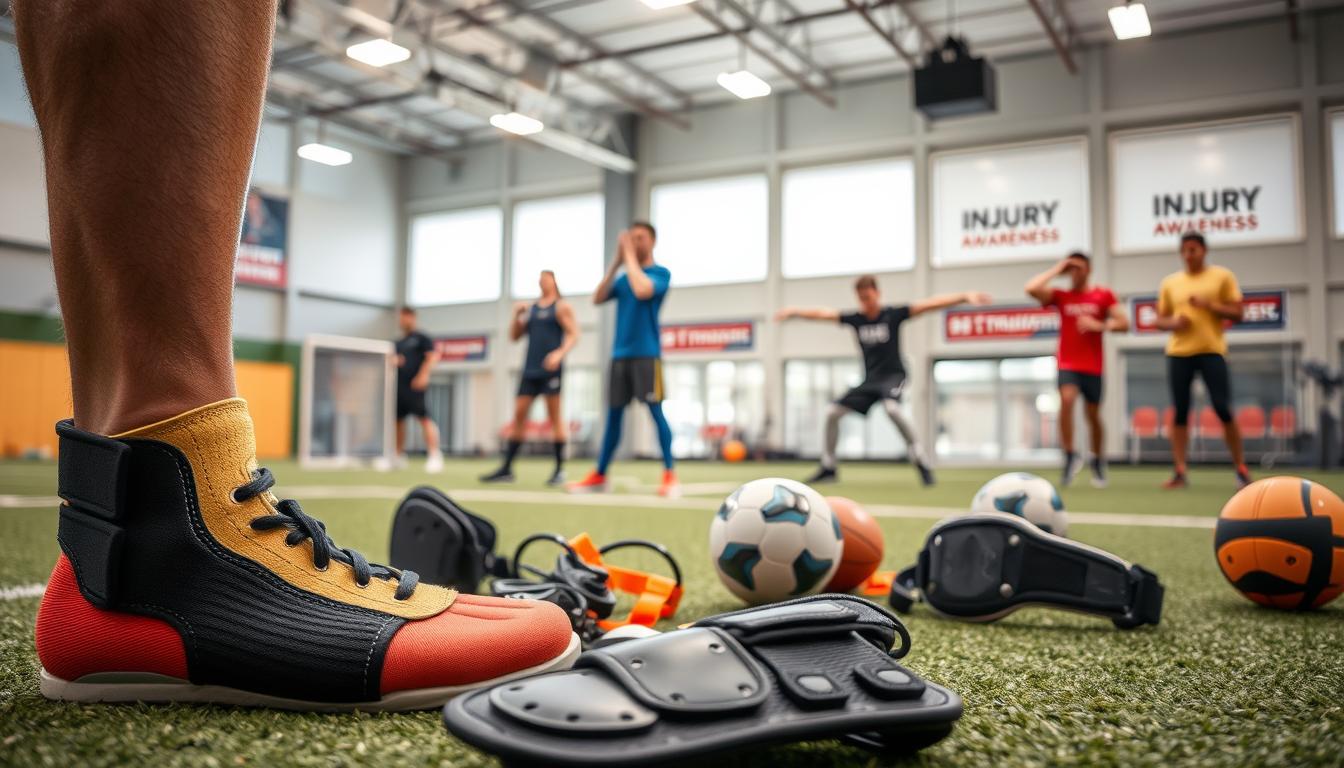
Participating in sports and physical activities can be an excellent way to stay healthy and active. However, with millions of children and adolescents engaging in organized sports, the risk of sustaining serious injuries is a significant concern.
According to the Centers for Disease Control and Prevention (CDC), nearly 30 million young individuals participate in some form of organized sport, with about 2.6 million suffering serious injuries each year.
Understanding your body’s signals and being aware of the risk factors associated with different activities can help you take proactive steps towards effective injury prevention. This guide will walk you through essential injury prevention tips and strategies to minimize your risk of common injuries during sports and physical activities.
Understanding the Importance of Injury Prevention
The significance of injury prevention cannot be overstated, especially for school-aged athletes and those involved in organized sports programs. Injuries can have far-reaching consequences, affecting not only physical health but also mental well-being.
Injury Statistics in the United States
Common injuries are prevalent in the United States, with a significant number being sports-related. Statistics highlight the frequency of these incidents, emphasizing the need for effective prevention strategies.
The Physical and Mental Impact of Injuries
Injuries can disrupt daily routines, athletic progress, and overall quality of life. The physical impact is often accompanied by mental health challenges, including frustration, depression, and anxiety during recovery periods.
Benefits of Proactive Prevention Strategies
Adopting proactive prevention strategies can significantly reduce the risk of injuries. This approach is particularly crucial for athletes, as it can extend athletic careers, improve performance, and contribute to long-term health outcomes.
Essential Warm-Up and Cool-Down Techniques
To minimize the risk of injury, it’s essential to incorporate effective warm-up and cool-down routines into your exercise regimen. Proper preparation and recovery are key to a safe and successful workout. Warming up before physical activity increases blood flow to your muscles, reducing the risk of strains and pulls. Conversely, cooling down afterward helps your body gradually return to its resting state, preventing blood pooling and reducing muscle soreness.
Dynamic Warm-Up Exercises to Prepare Your Body
Dynamic warm-up exercises are designed to prepare your muscles, joints, and cardiovascular system for physical activity. Examples include jumping jacks, leg swings, and arm circles. These exercises help increase your heart rate and body temperature, making your muscles more flexible and less prone to injury. Activity-specific warm-ups that mimic the movements you’ll be performing during your main workout or sport are particularly effective.
Proper Cool-Down Methods to Prevent Muscle Soreness
Cooling down after exercise is just as important as warming up. Techniques such as static stretching, foam rolling, and gentle cardio help gradually reduce your heart rate and body temperature. This process also aids in flushing out metabolic waste products from your muscles, reducing post-exercise soreness and stiffness. Proper cool-down methods can significantly enhance your recovery and prepare your body for the next workout.
Recommended Time Allocation for Each Phase
The time allocated to warm-up and cool-down phases should be adjusted based on the intensity and duration of your physical activity. As a general guideline, allocate 5-10 minutes for warming up before your workout and 5-10 minutes for cooling down afterward. Adjust these times based on your fitness level and the specific demands of your activity. By incorporating these techniques into your routine, you can help prevent injuries and improve your overall performance.
Effective Stretching and Flexibility Practices
To maintain flexibility and prevent injuries, incorporating effective stretching practices into your routine is crucial. Regular stretching helps to increase your range of motion, flexibility, and blood flow to your muscles. It’s essential to understand the different types of stretching and how they can benefit your overall physical performance.
Dynamic vs. Static Stretching: When to Use Each
Dynamic stretching involves active movements within a comfortable range of motion, making it ideal for warming up before physical activities. On the other hand, static stretching involves holding a stretch for 20-30 seconds and is more effective for cooling down after exercise when your muscles are warm. As noted by fitness experts, “Dynamic stretching prepares your muscles for the upcoming activity, while static stretching helps in the recovery process.”
Key Muscle Groups to Focus On
When it comes to stretching, it’s vital to focus on all major muscle groups. Pay particular attention to areas that are prone to injury during various activities. This includes hamstrings, quadriceps, hip flexors, and lower back muscles. Ensuring that you stretch these areas can significantly reduce your risk of injuries.
Stretching Frequency and Duration Guidelines
For optimal results, it’s recommended to stretch at least 2-3 times per week. When stretching, hold each stretch for 20-30 seconds and repeat for 2-3 sets. Consistency is key to improving flexibility and reducing muscle imbalances over time. As emphasized by health professionals, “Proper flexibility practices not only enhance performance but also contribute to better posture.”
By incorporating these stretching practices into your routine, you can improve your overall flexibility, enhance your physical performance, and reduce the risk of injury. Remember, the key is consistency and patience.
Strength Training for Injury Prevention
Strength training serves as a foundational element in injury prevention by improving joint stability and muscle resilience. Having strong muscles helps to support joints and can prevent injuries, particularly in the knees. The American Orthopaedic Society for Sports Medicine (AOSSM) recommends strength training 2-3 times per week for the upper body and lower body, focusing on exercises that target the core, legs, and arms.

Core Strengthening Exercises for Stability
Core strengthening exercises are essential for enhancing spinal stability and improving posture during physical activities. Examples include planks, bridges, and Russian twists. These exercises help stabilize the spine and pelvis, providing a solid foundation for movement.
- Planks: Hold a position for 30-60 seconds to engage your core muscles.
- Bridges: Lie on your back with knees bent and lift your hips to strengthen your glutes and lower back.
- Russian twists: Sit on the floor with knees bent and twist your torso to target your obliques.
Balance and Proprioception Training
Balance and proprioception training improves your body’s spatial awareness and reactivity, reducing fall risks and enhancing coordination. Single-leg squats, balance boards, and BOSU ball training are effective methods to challenge your balance and proprioception.
Sport-Specific Strengthening Programs
Developing sport-specific strengthening programs addresses the unique physical demands and common injury patterns of different activities. For example, runners may focus on leg strength and endurance, while swimmers may target shoulder and upper body strength.
Recommended Training Frequency
The AOSSM recommends strength training 2-3 times per week for optimal results. It’s crucial to allow for rest periods between sessions to facilitate proper recovery and muscle growth. Progressive overload principles should be applied to safely increase strength without overtraining or risking injury.
By incorporating these strength training strategies into your routine, you can significantly reduce your risk of injury and enhance your overall athletic performance. Remember to focus on proper form during strength exercises, as it directly contributes to injury prevention and effective muscle strengthening.
Proper Equipment and Gear Selection
Proper gear selection is a critical aspect of injury prevention in various sports. Athletes must choose the right equipment to ensure their safety during activities.
Choosing the Right Footwear
Selecting appropriate footwear based on your specific activity, foot type, and common movement patterns is essential. Proper shoes provide support, cushioning, and stability, significantly reducing injury risk.
Essential Protective Equipment
For contact sports like football, wearing protective gear is crucial. This includes face guards, mouth guards, protective cups, shoulder pads, helmets, knee, and elbow pads. Ensuring a proper fit is vital for the equipment to be effective.
When to Replace Worn Equipment
Regularly inspect your equipment for wear and damage. Replace worn-out gear to maintain safety and prevent injuries. Seasonal changes may also require equipment modifications.
- Check equipment regularly for damage
- Ensure proper fit for maximum protection
- Replace equipment as needed
Key Injury Prevention Tips for Common Risk Areas
Injuries can occur in various forms, but focusing on prevention strategies for high-risk areas can significantly reduce their occurrence. When you engage in physical activities, certain body areas are more prone to injuries, and understanding how to protect them is crucial.

Protecting Your Knees and Ankles
Your knees and ankles are particularly vulnerable during high-impact activities and sports with frequent directional changes. To protect these areas, it’s essential to wear supportive shoes that fit properly and strengthen the muscles around the joint through exercises like squats and lunges.
Preventing Back and Shoulder Injuries
Back and shoulder injuries often result from poor posture or overuse. Maintaining proper posture and engaging in exercises that strengthen your core and improve flexibility can help prevent these injuries. For example, shoulder rolls and bridges can be effective in reducing the risk of strain.
Wrist and Elbow Injury Prevention
Activities involving repetitive motions or weight-bearing on the upper extremities can lead to wrist and elbow injuries. To mitigate this risk, ensure you’re using proper technique and consider incorporating exercises that strengthen your forearm and improve wrist flexibility.
Head and Neck Protection Strategies
In contact sports like football, head and neck injuries can be particularly severe. Using proper protective gear, such as helmets, and practicing safe tackling techniques are crucial for minimizing the risk of these injuries. Additionally, being aware of the signs of concussion and taking regular breaks can help prevent overexertion.
By focusing on these key areas and implementing the prevention strategies outlined, you can significantly reduce your risk of common injuries and maintain overall physical health.
Nutrition and Hydration for Injury Prevention
Nutrition and hydration are foundational elements in injury prevention, directly impacting your body’s ability to perform and recover. Adequate nutrition supports the health of your muscles, bones, and other tissues, while proper hydration ensures that your body functions optimally during activity.
Optimal Hydration Guidelines
The American College of Sports Medicine (ACSM) recommends drinking 17-20 ounces of water 2-3 hours before exercise, 7-10 ounces of water every 10-20 minutes during exercise, and 16-24 ounces of water for every pound lost after exercise. Staying hydrated is crucial, especially in hot weather, as dehydration can significantly increase the risk of injury by affecting concentration, coordination, and muscle function.
Nutritional Support for Muscles and Bones
A well-balanced diet that includes essential nutrients such as protein, calcium, and vitamin D is vital for maintaining strong muscles and bones. Protein helps repair and build muscle tissue, while calcium and vitamin D support bone health. Ensuring you consume these nutrients in adequate amounts can help reduce the risk of injuries during sports and training activities.
Recovery Nutrition Timing
After intense activity, it’s crucial to refuel your body with the right nutrients to accelerate recovery. Consuming a mix of carbohydrates and protein within a certain window after exercise can help repair muscle tissue and replenish energy stores. This recovery nutrition strategy is essential for preparing your body for subsequent activity and reducing the risk of injury.
By focusing on proper nutrition and hydration, you can significantly reduce your risk of injury and maintain peak performance during sports and training. Whether you’re engaging in high-intensity activities or endurance events, a well-planned nutrition and hydration strategy is key to supporting your overall health and performance.
When to Seek Medical Attention
Understanding when to seek medical help is crucial for athletes to prevent minor injuries from becoming severe. If you’re experiencing persistent pain or discomfort that doesn’t improve after a few days of RICE (Rest, Ice, Compression, Elevation), it’s time to consult a sports medicine doctor.
Red flag symptoms that require immediate medical evaluation include difficulty moving or using a limb, visible deformity, uncontrolled bleeding, signs of infection, severe headaches or dizziness, shortness of breath or chest pain, and loss of consciousness. Prompt medical attention can significantly reduce recovery time and prevent long-term complications.
It’s essential to communicate effectively with your medical provider about your symptoms, activity level, and recovery goals to ensure a proper diagnosis and treatment plan. By doing so, you can return to your sports activities safely and efficiently.



No comment